
Why Play Moves Clockwise from the Dealer’s Left Side
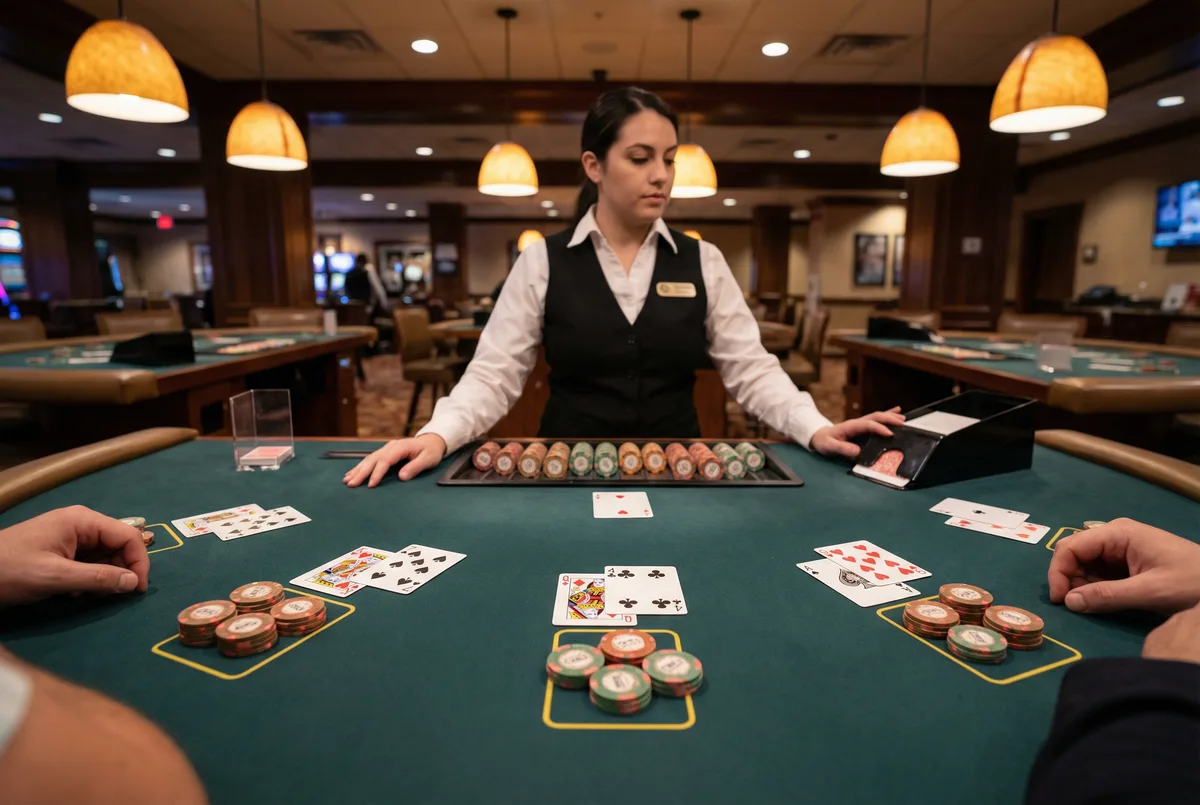
At a blackjack table, every hand follows the same sequence: cards move from the dealer’s left to their right, action proceeds clockwise from first base to third base, and the dealer plays last. The clockwise direction is not arbitrary. It is the standard dealing convention used in casino blackjack worldwide.
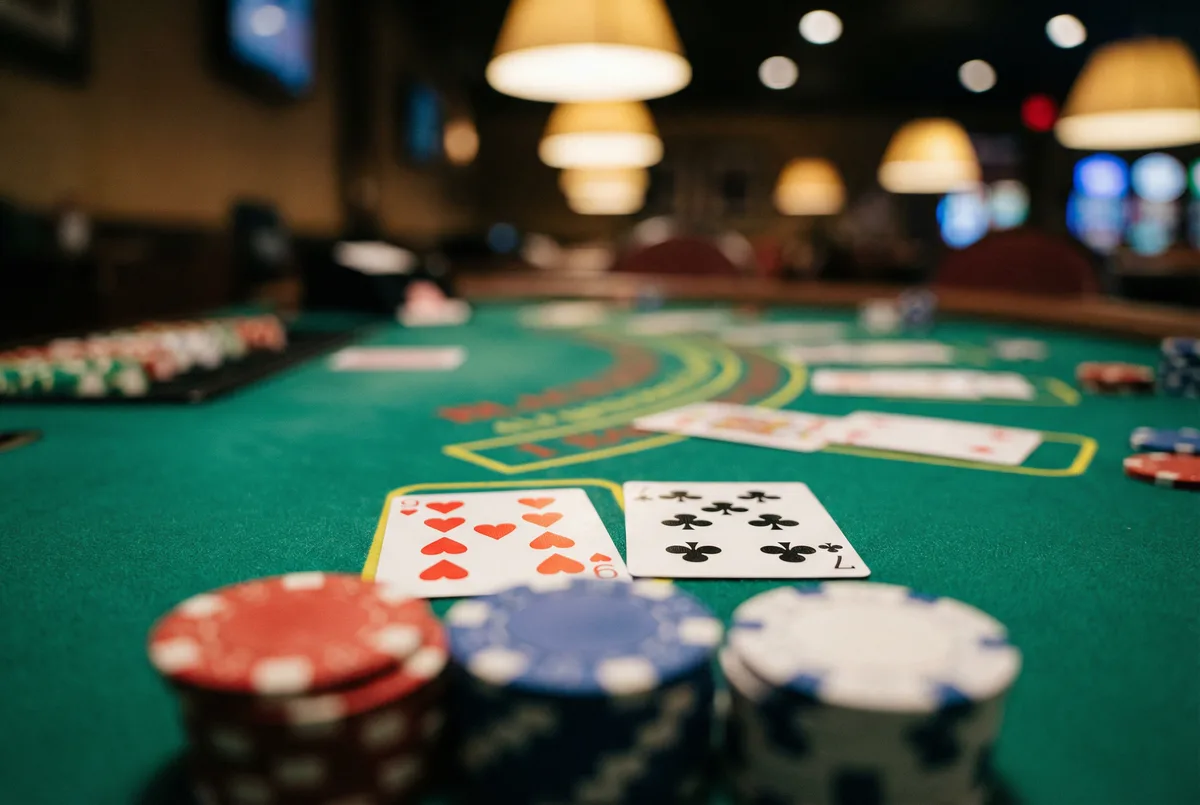
Clockwise Play Order in Blackjack: First Base to Third Base
New players often discover this sequence for the first time when the dealer prompts them unexpectedly at a full table. Understanding why blackjack plays clockwise from the dealer’s left side, and what each seat position means for your experience, removes that surprise before it disrupts your first hand.
The dealing order is not random. It follows the standard Western card game convention of clockwise direction, with dealing beginning to the immediate left of the dealer. Understanding this sequence helps you track where you are in the hand, anticipate your turn, and make decisions without holding up the table.
- First baseseat directly to dealer's left (acts first)
- Second positionnext seat clockwise
- Mid-baseseats in the middle of the arc
- Third baseseat farthest to dealer's right (acts last)
- Dealeracts after all players have completed their hands
What Is the First Base?
First base is the seat positioned directly to the dealer’s left. It is the first player seat to receive cards and the first to act on every hand. In standard casino blackjack, dealing begins at first base and proceeds clockwise around the table before the dealer takes their own cards.
The clockwise-from-dealer’s-left convention is shared across most licensed card games in English-speaking casinos. It creates a consistent, predictable flow that dealers can execute at speed. First base gets the first card, then each seat around the arc, then the dealer. This repeats for the second card round until everyone has two cards.
First base also acts first after the deal. The player there is prompted immediately, with no context from other players’ decisions. They see only their own hand and the dealer’s upcard before choosing. For inexperienced players, first base can feel rushed for exactly this reason.
What Advantages and Disadvantages Does Third Base Carry?
Third base is the seat positioned farthest to the dealer’s right. It is the last player seat to act before the dealer plays their hand. Third base sees every other player complete their decisions first, giving that seat the most context available at the table.
The perceived advantage of third base is that the player can see all other players’ cards before acting. In practice, this changes nothing. Basic strategy is determined by your hand and the dealer’s upcard. What anyone else holds does not appear in the calculation. Third base offers more visible information and zero additional strategic leverage.
Third base carries one real disadvantage: social pressure. The player there acts immediately before the dealer, and other players sometimes blame them when the dealer makes a strong hand. This blame is mathematically unfounded.
For newer players who are still learning to trust their strategy decisions, that social pressure can disrupt focus. Choose third base when you are confident enough in blackjack basic strategy to ignore the table’s reaction.
Common Myth
“Third base players have a strategic advantage because they see all other cards before acting.”
Third base acts last and can observe every other player's hand before making a decision, which appears to provide additional information.
The Reality
For basic strategy players, the extra visible information changes nothing. Correct play is determined only by your hand and the dealer's upcard. The cards visible at other seats do not change any strategy chart decision.
Third base EV is identical to any other seat position over a long sample when basic strategy is applied consistently.
What Are Play Order Matter for Card Counters and Pace Players Works?
For card counters, seat position affects how many cards are visible before you must act. Third base sees the most cards in a single round before deciding. First base sees the fewest. A counter at third base has updated count data from every player before committing, which is marginally useful in borderline index decisions.
Pace is another practical factor. First base plays at the dealer’s rhythm, with little wait time between hands. Seats further around the arc experience slightly longer waits. Some players prefer sitting at mid-table to spread their decisions across a comfortable pace without the pressure of going first or last.
The number of occupied seats also affects the hands-per-hour rate significantly. A full 7-seat table deals roughly 60 to 70 hands per hour. A heads-up game (one player against the dealer) can exceed 200 hands per hour. Seat selection and table fullness interact directly with your expected results per session.
Third base, the last seat before the dealer, is often blamed when a player's hit card causes the dealer to make 21. The reality is that the third base player's decision has no statistical impact on overall outcomes. Each seat sees random results independent of other players' choices. The seat you choose changes nothing mathematically.
Choosing Your Seat and Using Position to Your Advantage
For blackjack basic strategy players, seat selection has no EV impact. Every seat at a full table produces the same expected outcome over time. Choose based on comfort. Some players prefer first base for the fast pace and minimal waiting. Others prefer third base to see more of the table before acting. Mid-table seats are neutral on both counts.
Avoid any seat that makes you uncomfortable or rushed. A mistake made under social pressure costs more than any positional consideration could recover. If you prefer to sit alone with a dealer before joining a full table, that preference is worth acting on until you are comfortable with the pace of a multi-player game.
The fastest way to get comfortable with table flow is to participate in a real hand. Try a live game and focus the first few hands on tracking the play order from first base around the arc.
The clockwise sequence becomes automatic within 10 hands. Real stakes are in play from your first bet, so set your session budget before you click deal and treat it as a hard ceiling.
Frequently Asked Questions
For expected value, no. Every seat at the table produces the same long-run EV when basic strategy is applied correctly. Seat choice should be based on personal comfort: how much wait time you want between decisions, whether you prefer acting early or late, and how you handle social pressure.
Third base is a term for the last player seat to act before the dealer, regardless of the total number of seats at the table. It is borrowed from baseball terminology and refers to position in the action sequence, not a literal third seat. The last seat in play order is always called third base.
No. Licensed casino blackjack deals clockwise from the dealer's left in all standard games. The only exception would be certain specialty or private card room games that specify a different sequence in their house rules. In any licensed casino, the order is consistent and will not change mid-session.
Before you test these plays at a real table, run them through our free blackjack simulator practice unlimited hands at zero cost until every move becomes automatic.
Table Flow Becomes Automatic. Strategy Stays Sharp.
Know the sequence, own your seat, and apply basic strategy without hesitation.
Blackjack Academy is an educational resource. All strategy content is based on mathematical expectation. Set a session budget before you play.
Learn More
Continue your education with these related lessons.

How to Choose a Blackjack Table at a Casino
Not all blackjack tables are created equal. Learn how to read the floor, pick the right minimum, and find the…

Complete Guide to Playing Blackjack for Beginners and Winning
Without a strategy chart, the average player concedes a house edge of 1.5 to 2 percent. With correct basic strategy,…
Why Face Cards are the Most Important Picture Cards in the Deck
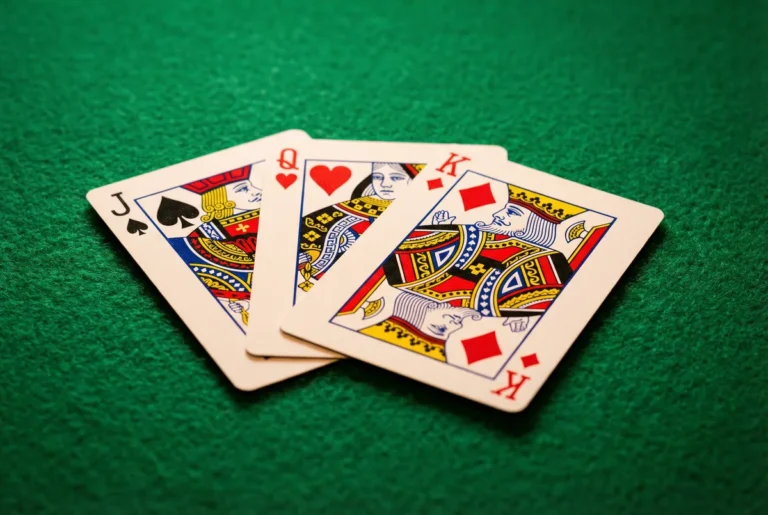
Jacks, queens, and kings each count as 10 in blackjack, making them the most frequent 10-value cards in the deck.…