
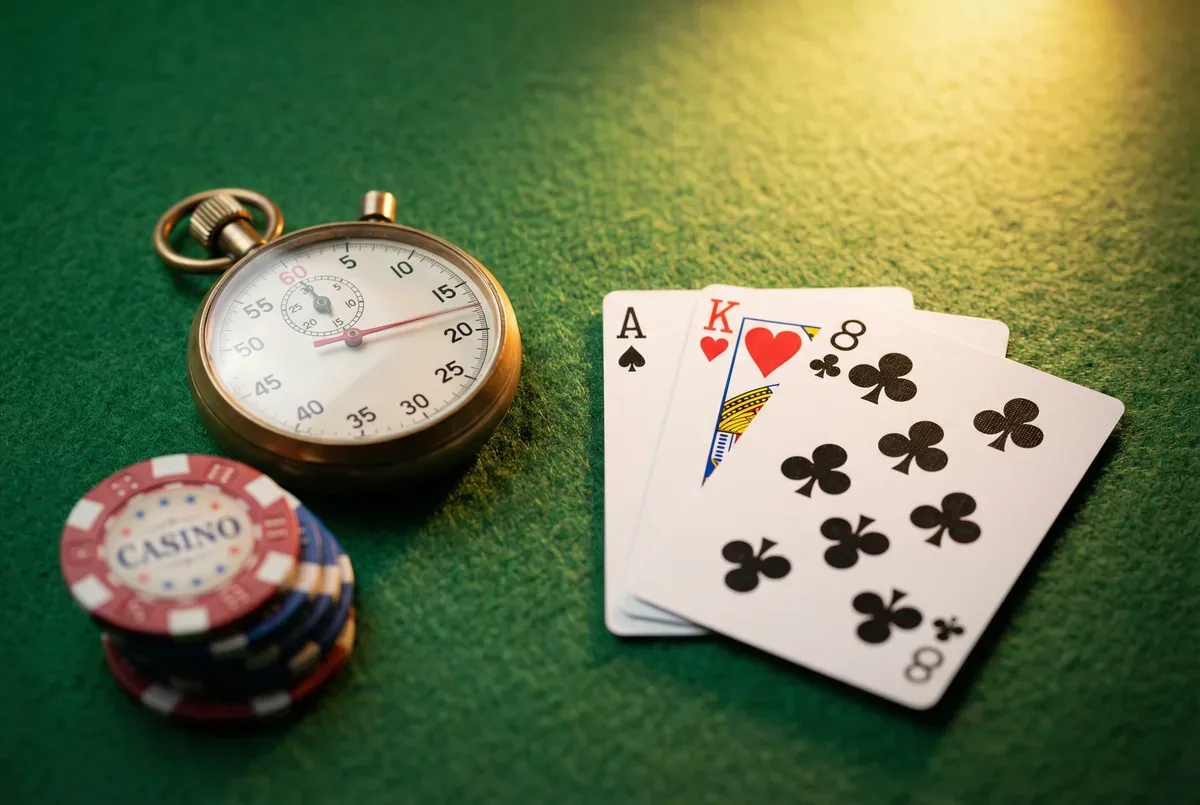
How Table Speed Increases or Decreases Your Variance
Blackjack table speed is measured in hands per hour. A heads-up game against a dealer runs approximately 200–250 hands per hour. A full seven-player table may produce only 50–80 hands per hour. This threefold difference in pace has profound implications for variance and expected loss accumulation that most players never consciously account for. At 250 hands per hour, the law of large numbers operates faster variance resolves more quickly toward expected value, meaning your session result will track closer to theoretical expectation over the same clock time. At 60 hands per hour, each clock hour has far fewer hands and therefore far more variance short-term results are dominated by luck rather than the mathematical expectation that controls long-run outcomes. Table speed selection is not passive it is an active decision with quantifiable consequences for every session.
Table Speed Is a Controllable Risk Variable
Hands per hour: heads-up vs full table
HPH
Expected loss per hour at $20 / 0.5% edge heads-up
/hr
Expected loss per hour at $20 / 0.5% edge full table
/hr
When Slower Tables Are Better for Recreational Players?
For recreational players managing a fixed session budget, slower tables are almost always preferable. The dramatically lower hands-per-hour rate at a crowded table means the expected loss per clock hour is reduced proportionally $6 expected loss per hour at a slow full table versus $25 at a fast heads-up game. This creates substantially more entertainment value per dollar of expected loss. A $100 session budget at a slow table provides approximately 16 hours of expected play before the budget depletes on expected losses alone. At a fast table, that same budget depletes in four expected hours. Variance may extend or shorten either scenario, but the structural benefit of slower play for budget longevity is mathematically unambiguous.
Slow tables also reduce cognitive load and execution pressure. At 250 hands per hour, decisions arrive every 14–17 seconds. At 60 hands per hour, every decision has 45–55 seconds for deliberate recall and verification. This pace difference has a measurable effect on strategy deviation rates faster games produce more errors because the time pressure disrupts the recall process, particularly for the edge-case decisions that require active strategy lookup rather than automatic response.
Slow Table (60 HPH)
Fast Table (250 HPH)
- $6/hr
- ~55 seconds
- Slow (luck-dominated)
- Recreational, budget play
- $25/hr
- ~14 seconds
- Fast (edge-apparent)
- Counters extracting edge
When Faster Tables Serve Professional Goals?
For card counters with a genuine positive edge, faster tables are preferable because edge extraction is proportional to hands played. A counter with a 0.5% net edge at 250 hands per hour earns $25 in expected profit per hour (at $20 average bet). The same counter at 60 hands per hour earns only $6 per expected hour. More hands also means the variance resolves faster toward the true expected value the counter spends less time in results dominated by short-term luck and more time in results that reflect the mathematical edge. Professional counters actively seek the fastest game that their accuracy and camouflage allow, because hands per hour is directly proportional to expected income.
Count-based advantage extraction scales linearly with hands per hour. A counter who improves from 60 HPH to 120 HPH by moving to a less crowded table has doubled their expected income without changing bet size or edge. Table speed selection is edge deployment efficiency.
What Are Continuous Shuffle Machines and Speed Inflation?
Continuous shuffle machines (CSMs) eliminate shoe penetration entirely and also dramatically increase table speed CSM games commonly run 15–30% more hands per hour than hand-shuffled games because shuffle time is removed from the pace. For blackjack basic strategy players, this increases expected loss per hour proportionally with no countervailing benefit. For counters, CSMs are unplayable because the running count cannot meaningfully accumulate. Both categories of player should avoid CSM games: recreational players because of accelerated loss rate, professional players because counting is impossible. The speed benefit of a CSM accrues exclusively to the casino.
Identifying CSM games before sitting down is simple: the machine is visible at the table end. Any shuffle machine that returns cards continuously throughout play is a CSM. Automatic shufflers that hold and shuffle one shoe while another is in play (batch shufflers) are different they do not prevent counting but do reduce penetration. The distinction matters for counter strategy but not for the pace analysis that applies to all players.
Selecting Table Speed and Playing to Your Edge
Table speed selection is a pre-session decision. Assess the pace of available tables count the players, observe whether a CSM is present, note the dealer’s pace before choosing where to sit. At apply this analysis at a live real-money session, live-dealer tables have visible pace indicators including hands-per-shoe averages and player count, allowing a real-money session tailored to your current objectives. Practice identifying the right speed for your session goal: budget extension or edge extraction. Real money ensures the pace decision has practical consequence rather than remaining a theoretical exercise.
Frequently Asked Questions
A heads-up game against a dealer runs 200–250 hands per hour. A full seven-player table produces 50–80 hands per hour. The actual range depends on dealer pace, player decision speed, and whether a continuous shuffle machine is in use.
For recreational players with a fixed budget, yes slower tables dramatically reduce expected loss per clock hour while preserving entertainment time. For card counters with a positive edge, faster tables are better because edge extraction scales with hands per hour.
Yes. CSMs increase table speed by 15–30% by eliminating shuffle time. This accelerates expected loss accumulation for all players, not just counters. Both basic strategy players and counters should avoid CSM games for different but equally valid mathematical reasons.
Before you test these plays at a real table, run them through our free blackjack simulator practice unlimited hands at zero cost until every move becomes automatic.
Mathematical Risk Warning
Faster tables accumulate house edge against your bankroll more quickly. Table speed selection directly affects your expected session loss rate. Always choose table pace deliberately based on your session objectives and budget.
Blackjack Academy is an educational resource. All strategy is based on mathematical expectation. Always play within your means.

Written by
Mark AnurakProfessional card counter since 2009 · 500,000+ hands logged · Former Macau advantage player. Studied under Thorp, Griffin & Wong methodology. Full bio →
Learn More
Continue your education with these related lessons.
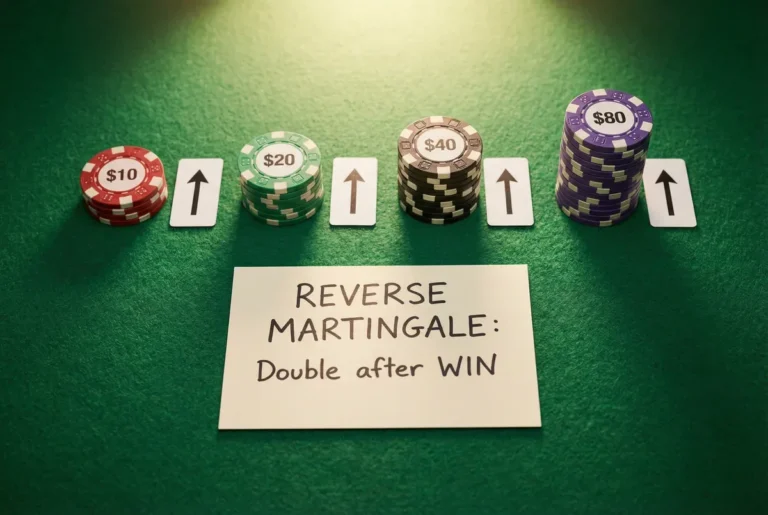
Why the Reverse Martingale and Parlay System Fails Most Players
The Reverse Martingale doubles bets after wins instead of losses. It protects your base bankroll from catastrophic loss. Here is…
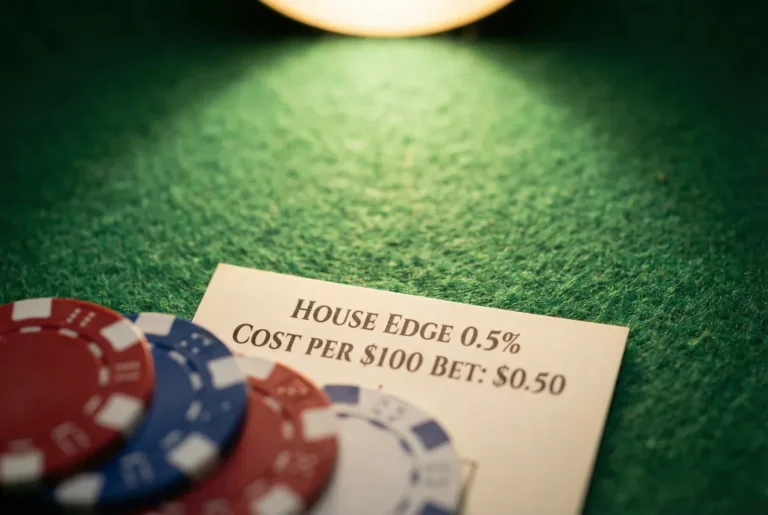
What the House Advantage Percentage Really Means for Your Bankroll
House advantage is not an abstract casino term it is the exact rate at which your money transfers to the…
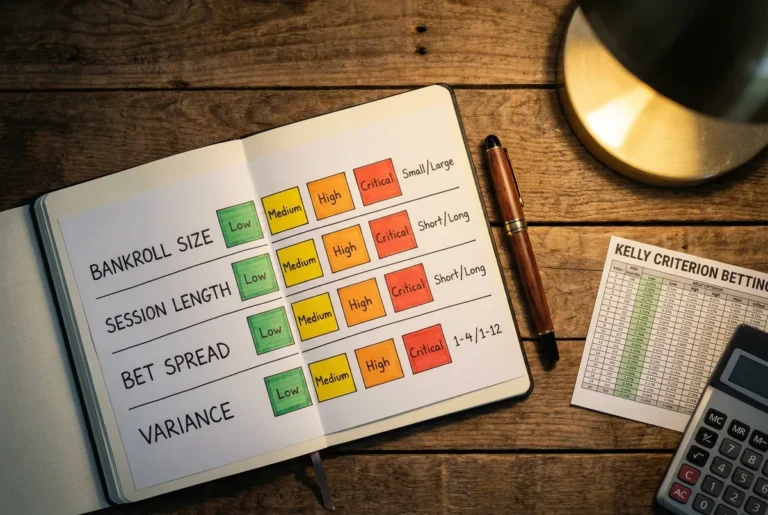
Proven Risk Assessment Frameworks for Better Blackjack Betting Decisions
Professional gamblers do not rely on intuition for risk decisions. They use structured frameworks to quantify exposure before committing capital.…