
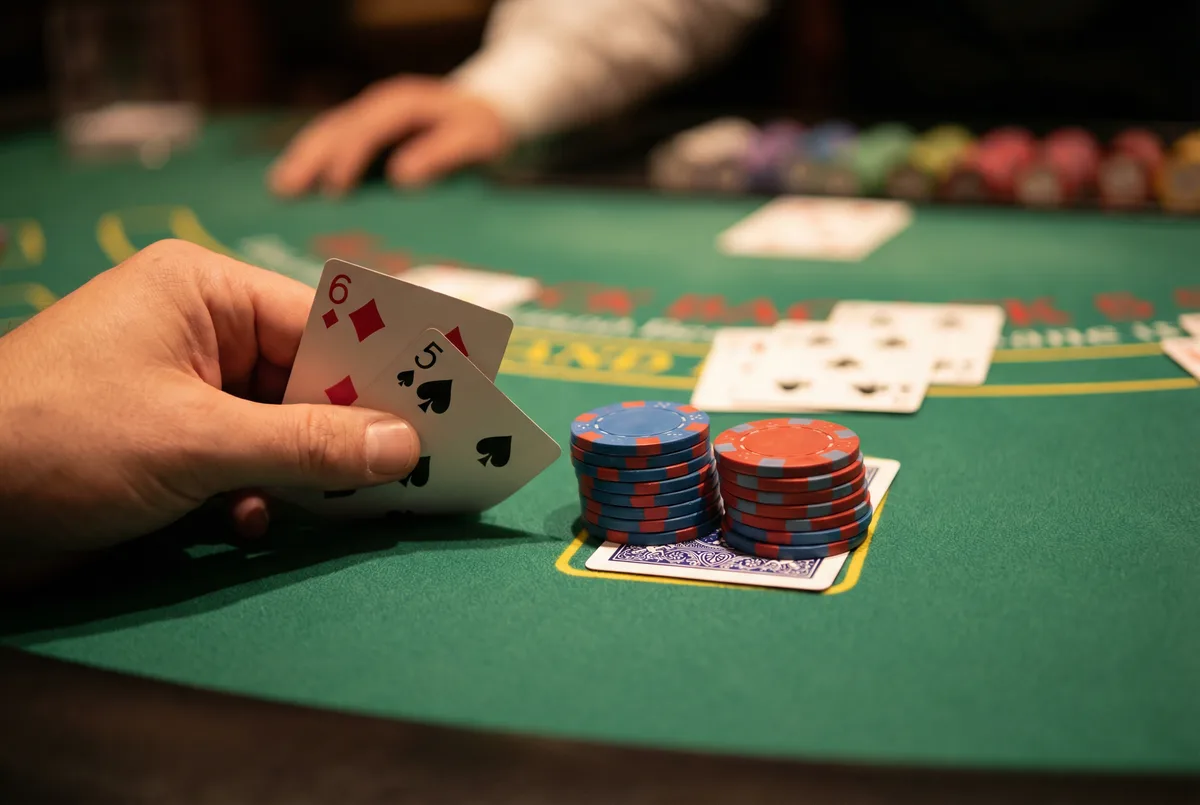
Proven Doubling Down Rules and Exactly When to Take the One-Card Risk
Double down correctly and a $25 bet returns $50. Double on the wrong hand and the same move costs an extra unit on a hand already working against you. Doubling down in blackjack is the highest-leverage play available to a blackjack basic strategy player.

Doubling Down in Blackjack: What the Move Does to Your Expected Value
The correct doubling hands are determined by exact mathematics: your two-card total against the dealer’s upcard. This article covers every correct doubling situation, the logic behind each, and the specific rule variants that change when and how you double.
- Hard 11double vs dealer 2 through 10 (hit vs ace in shoe games)
- Hard 10double vs dealer 2 through 9
- Hard 9double vs dealer 3 through 6 only
- Soft 18 (A,7)double vs dealer 3 through 6
- Soft 13-17double vs dealer 4 through 6 (varies by game)
- One card onlyexactly one more card after doubling
How Does Hard Totals That Are Correct to Double Down?
Hard 11 is the most powerful doubling hand in blackjack basic strategy. Double hard 11 against every dealer upcard from 2 through 10. Against a dealer ace in a six-deck shoe game, hitting is correct. In single deck, doubling 11 vs. ace is the right play. Hard 11 against a dealer 6 produces the highest EV of any standard doubling decision.
Hard 10 doubles against dealer 2 through 9. Against dealer 10 or ace, hitting produces better EV because the dealer is likely to hold a strong total. Hard 9 is more restricted: double only against dealer 3 through 6. Against any other upcard, hitting hard 9 is correct.
Hard 8 does not double in standard six-deck games. Some single deck blackjack strategy charts allow doubling hard 8 against a dealer 5 or 6, but this deviation is deck-count specific. In shoe games, always hit hard 8 rather than double.
When to Double Down on Soft Hands?
Soft doubling is where most players leave significant edge unrealized. Soft hands can absorb a high card without busting, which makes them ideal doubling candidates against weak dealer upcards.
Soft 18 (A,7) doubles against dealer 3 through 6. Against dealer 2, 7, or 8, standing is correct. Against 9, 10, or ace, hitting soft 18 is the correct play. Soft 19 (A,8) doubles only against dealer 6 in single deck games. In six-deck shoe games, always stand on soft 19.
Soft 13 through 17 have conditional double ranges: generally, double against dealer 4 through 6, with some extending to dealer 3. These hands follow the pattern of exploiting the dealer’s bust zone while the ace in your hand prevents a bust on the mandatory double card.
Dealer Shows
Your Hand
You hold hard 11 against the dealer's 6. What is the correct play?
Double on hard 11 vs. dealer 6 every time. The dealer holds a stiff total with a 42% bust probability. The most likely card you receive is worth 10 points, giving you 21. This is the strongest single doubling opportunity in the game.
When to Never Double Down in Blackjack?
Hard 12 through hard 17 are almost never correct to double. These totals risk busting on the one mandatory card. The only exception involves soft 17 (A,6), which is a soft total that doubles against dealer 3 through 6 because the ace prevents a bust.
Hard 5, 6, and 7 should never be doubled. These hands have poor base totals and require multiple hit cards to improve. The one-card constraint of doubling prevents the multi-card builds these weak totals need.
Never double after taking a hit card. Doubling is only available on initial two-card hands. Once a third card is added, the option is gone regardless of the resulting total. No casino variation changes this fundamental rule.
The one-card restriction is what makes doubling down a calculated decision rather than a free option. You commit your full second bet knowing you'll receive exactly one more card. This is why doubling 11 against a dealer 2 is correct but doubling 11 against a dealer Ace in an H17 game requires careful rule-checking, the one card limits your escape route.
Table Rules Change Your Doubling Strategy
The most important rule variable for doubling is whether the casino allows doubling on any two cards or restricts it to hard totals of 9, 10, and 11 only. Restricted doubling eliminates all soft doubling value and changes several hard decisions. This restriction is sometimes called the Reno rule and costs approximately 0.10% in blackjack house edge.
DAS (doubling after split) is a separate rule that interacts with pair splitting decisions. Without DAS, some pair splits become incorrect because the resulting hands lose their doubling value. Confirm the doubling and DAS rules before sitting at any table.
The number of decks also affects a few soft doubling decisions. Opportunities correct in single deck may be borderline or incorrect in six-deck shoes. Use a strategy card matched to the exact game configuration in front of you.
Practice committing to every correct double under real conditions. Join a live dealer table and play 20 hands with the blackjack strategy chart open, executing every correct double without hesitation. Real money is in play from the first bet, so set your session limit before you start.
Frequently Asked Questions
In most casinos you can double on any initial two-card hand. Some casinos restrict doubling to hard totals of 9, 10, or 11 only. This restriction removes all soft doubling value and is sometimes called the Reno rule. Always check the doubling rule before sitting down, as restricted doubling adds roughly 0.10% to the house edge.
In six-deck shoe games, basic strategy hits hard 11 against a dealer ace rather than doubling. In single deck games, doubling 11 vs. ace is the correct play. The deck composition in single deck changes the probabilities enough to justify the double. Use a strategy card matched to the specific deck count you are playing.
Doubling for less means placing a second bet smaller than your original wager when doubling down. It is permitted at most casinos but is never mathematically correct. If the situation calls for a double, the correct play is to double the full amount. Doubling for less sacrifices expected value for a smaller financial commitment that the strategy does not support.
Before you test these plays at a real table, run them through our free blackjack simulator practice unlimited hands at zero cost until every move becomes automatic.
Every Correct Double Is Edge Realized
The strategy chart identifies every doubling opportunity before you sit down.
Blackjack Academy is an educational resource. All strategy is based on mathematical expectation. Always set a session budget before you play.
Learn More
Continue your education with these related lessons.
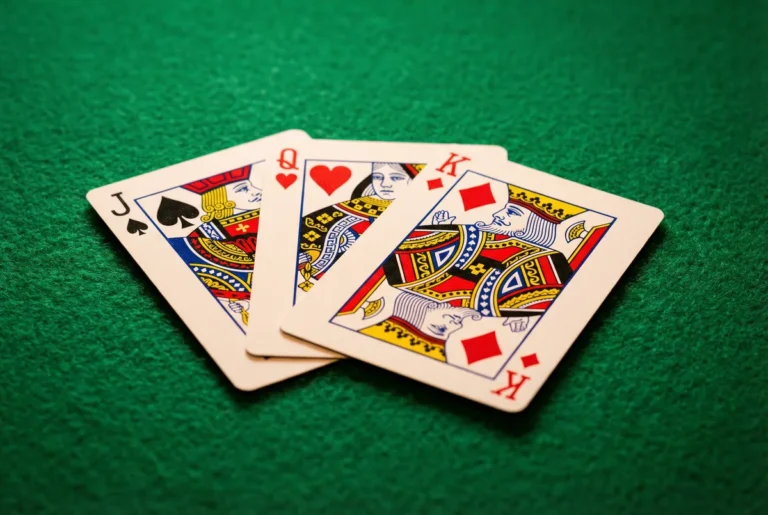
Why Face Cards are the Most Important Picture Cards in the Deck
Jacks, queens, and kings each count as 10 in blackjack, making them the most frequent 10-value cards in the deck.…
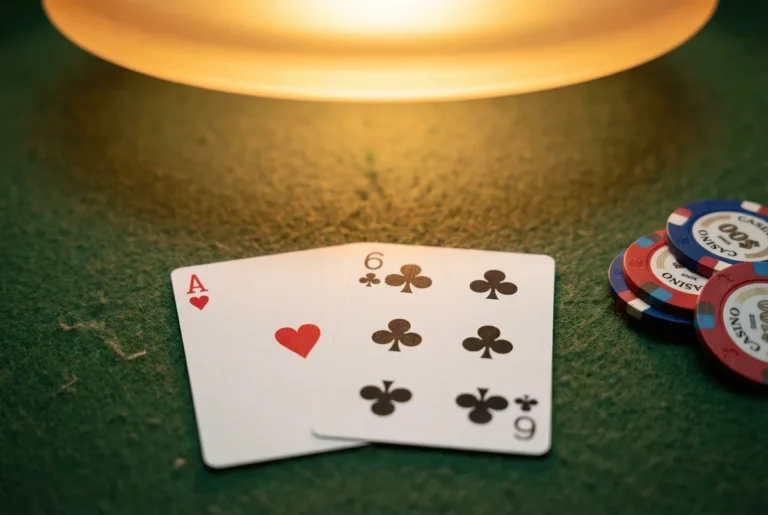
The Critical Difference Between Hard and Soft Hands in Blackjack
Every blackjack hand is either hard or soft, and confusing the two costs you money on every misplayed hand. The…
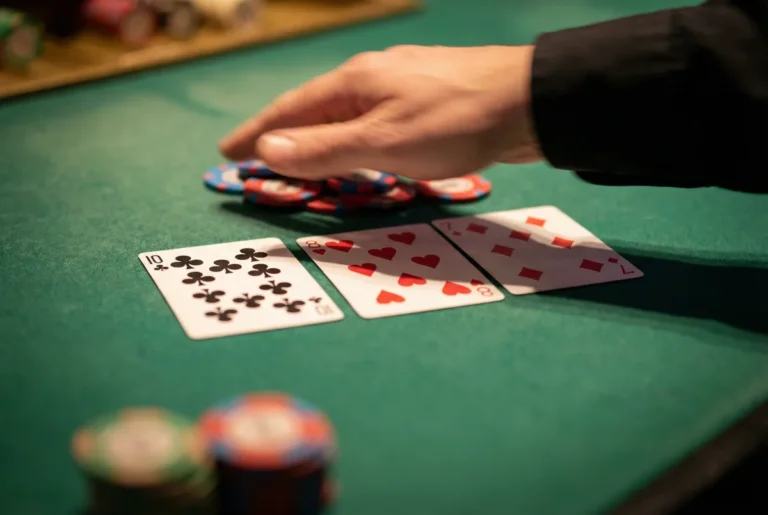
What Really Happens When You Bust in Blackjack and How to Avoid It
Busting in blackjack means going over 21 and the fact that the dealer acts last is the entire source of…