
How to Overcome Anxiety the First Time You Play Blackjack
- Why New Players Feel Anxious at the Blackjack Table
- How Does Preparation Steps That Reduce Anxiety Before You Sit Down?
- How to Choose the Right Blackjack Table for Your First Time?
- How Do You Play Slowly and Asking Questions at a Blackjack Table?
- How to Practice Blackjack Before Visiting a Casino for the First Time
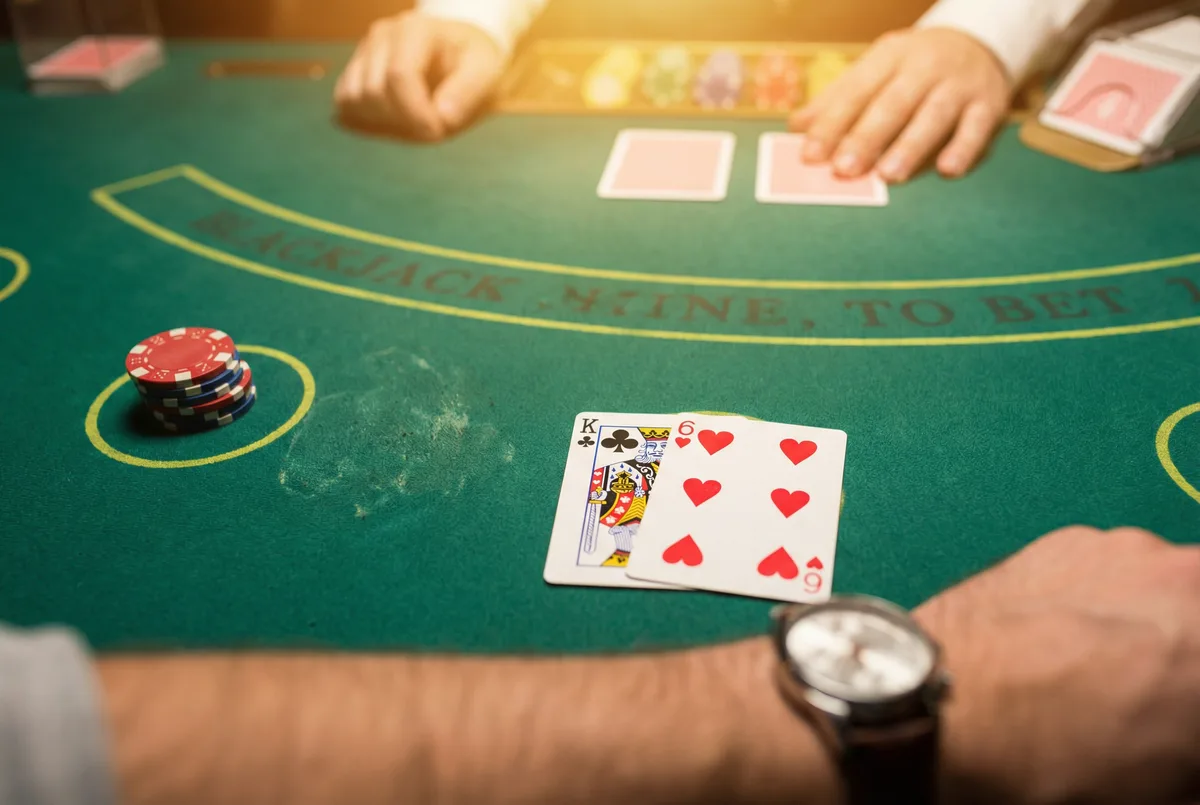
There is a moment every first-time blackjack player recognizes. You stand at the edge of the pit, watching hands get dealt and resolved in seconds. Other players flick their fingers or wave their hands and the dealer responds instantly. Everyone looks like they have been doing this for years.
You have no idea where to start. That feeling is not a sign you should leave. It is a sign you are about to learn something.
That feeling is not a sign that you should leave. It is a sign that you are about to learn something. Every regular at that table once stood exactly where you are standing. The anxiety dissolves the moment you understand the three things causing it: pace, signals, and uncertainty about the rules.
Why New Players Feel Anxious at the Blackjack Table
Blackjack anxiety has three specific sources. The first is table pace. A dealer at a busy table can run 60 to 80 rounds per hour. That means you have seconds, not minutes, to make each decision. When you are unsure of the correct play, those seconds feel very short.
The second source is the hand signal system. Casinos require physical signals for hit, stand, double, and split because the overhead cameras need to record player decisions. Saying the word is not enough. If you do not know the signals, you will hesitate every single time the dealer looks at you.
The third source is the social pressure of playing with others. In most casino games you can sit quietly and make no visible decision. In blackjack, everyone at the table watches while you decide. When you are unsure, that observation feels like judgment. It is not. The other players are watching the cards, not evaluating you.
Rounds per hour at a full table
typical dealer pace
Hand signals required
hit, stand, double, split
Minimum study time to feel confident
with basic strategy card
How Does Preparation Steps That Reduce Anxiety Before You Sit Down?
The single most effective preparation step is learning the four hand signals before you enter the casino. Hit: tap the felt with one or two fingers. Stand: wave your hand horizontally over your cards. Double down: place a second bet and point with one finger. Split: place a matching bet beside the original and hold up two fingers.
Practice those signals until they feel automatic. If you reach the table and have to think about which gesture means what, the pace of play will still feel overwhelming. If the signals are already in your muscle memory, one source of anxiety disappears completely.
The second preparation step is getting a blackjack basic strategy card. Most casinos allow strategy cards at the table. You can buy a laminated card at any casino gift shop for a few dollars. Using one is not cheating. It is using a pre-computed optimal decision table that the casino knows exists and explicitly permits.
The third step is playing online blackjack before your casino visit. Twenty to thirty minutes at an online game at zero cost lets you practice the decision process at your own speed, without any of the social pressure. When you sit at a real table, the sequence of a hand will already feel familiar.
Bring a strategy card for your first five sessions. There is no shame in using it. A $5 laminated card that saves you from even one wrong double-down decision at a $25 table pays for itself in the first hand. The goal is correct decisions, not appearing like you have memorized the chart.
How to Choose the Right Blackjack Table for Your First Time?
Table minimum is your most important selection criteria. A $10 or $15 minimum table allows you to play a full session without serious financial pressure. Avoid $25 and above minimums until you are comfortable with the pace. Higher-stakes tables also tend to attract more experienced players, which increases social pressure.
Look for a table with open seats, ideally one with fewer than four players. Fewer players means more time per round and more chances to think before the dealer reaches you. A full table with seven players runs faster because each round involves more hands before it resets.
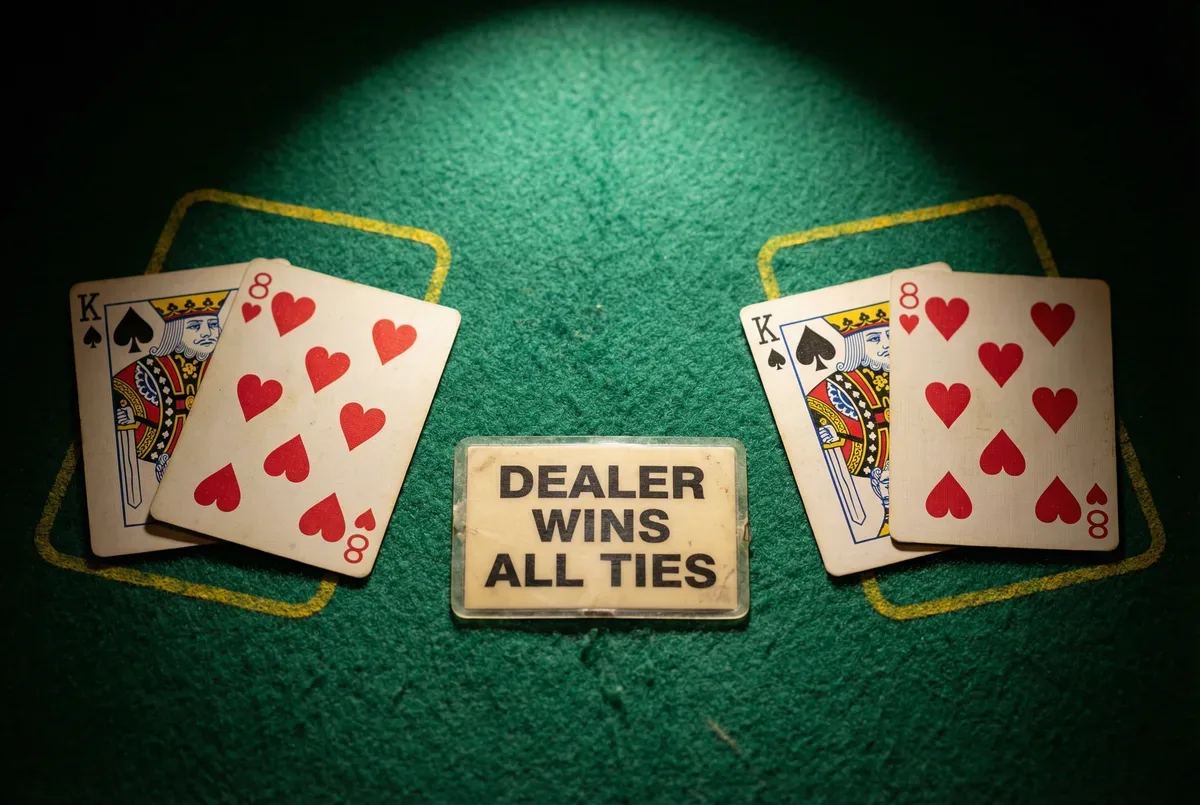
Check the table placard before sitting. Look for 3:2 natural payout and dealer stands on all 17s. These are the two most player-favorable rules and they appear on low-minimum tables at most serious casinos. A table offering only 6:5 on naturals costs you more per hour and should be avoided entirely as a beginner.
It is completely acceptable to watch a table for a few rounds before sitting. Dealers expect this. Stand behind the table and observe one full shoe if you want. You will learn the rhythm of the game and the specific dealer’s style before you are under any decision pressure yourself.
Common Myth
“Dealers are impatient with beginners and will rush you.”
The table pace feels fast from outside the game. When you are the one being waited on, it looks like every second of hesitation is noticed and judged by the dealer and other players.
The Reality
Dealers deal with beginners constantly and the majority are professionally patient. Most casinos instruct dealers to be welcoming to new players. If you tell the dealer it is your first time, most will briefly walk you through the hand signals before play starts.
Casinos profit from new players learning to enjoy the game. A positive first experience turns a visitor into a returning customer.
How Do You Play Slowly and Asking Questions at a Blackjack Table?
Yes. Slow play at low-minimum tables is expected and accepted. At a $10 table with two other players, taking five seconds to check your strategy card before doubling is not holding up a tournament. The other players have seen beginners before. The dealer has seen beginners every shift for their entire career.
What you should not do is ask other players for strategic advice during the hand. This slows things down, opens you to bad advice from players who may not know correct strategy themselves, and shifts responsibility for your decision to someone who has nothing at stake on your hand.
Ask the dealer questions between hands, not during them. Dealers can confirm the rules for surrendering, splitting aces, or doubling after split at your specific table. They cannot advise you on what play to make, but they can clarify the available options for any hand situation.
How to Practice Blackjack Before Visiting a Casino for the First Time
Before committing money at a physical table, run practice hands at a live dealer platform. A real dealer runs every hand and the game plays exactly as it does in a casino. This removes pace pressure while keeping the mechanics identical to the real thing.
At sit down calm and confident at a real-money live table, you can observe the full sequence of a hand before your first real bet. Real money is at risk from the moment you place a wager, so set a strict session budget before you start and treat it as a structured rehearsal.
Frequently Asked Questions
Yes. Most casinos explicitly allow printed strategy cards at the table, especially at lower-stakes games. The card must fit in your hand and not slow play significantly. Casino gift shops and online stores sell laminated basic strategy cards for a few dollars. Using one is not cheating and the casino knows it exists.
Tell the dealer it is your first time and ask them to confirm the hand signals before play starts. Most dealers will briefly walk you through hit, stand, double, and split signals. You can also ask about any rules specific to that table, such as whether late surrender is available or whether the dealer hits soft 17.
A beginner at a $10 minimum table should bring 20 to 30 times the minimum bet as a session bankroll, which means $200 to $300. This provides enough hands to get comfortable with the game without serious financial exposure. Set your session limit before you sit and treat it as a hard ceiling you will not exceed under any circumstances.
Before you test these plays at a real table, run them through our free blackjack simulator practice unlimited hands at zero cost until every move becomes automatic.
Use our free blackjack calculator to model the exact expected value for any rule combination or hand situation before you sit down.
Prepare Before Your First Real Hand
Strategy cards, hand signals, and table selection are learnable in one session. Do not let fixable anxiety cost you money at the table.
Blackjack Academy is an educational resource. Real money is wagered at live tables. Always set a session limit before playing and never exceed it.
Learn More
Continue your education with these related lessons.
Complete Blackjack Payout Chart for 3 to 2 and Even Money
The payout rate on a natural blackjack is the single most important number on the table. A 3:2 table and…
How the Standard 52 Card Deck Evolved for Casino Play
The standard 52-card deck did not arrive fully formed. It evolved over centuries through printing technology, regional variations, and the…
How Casino Dealers Are Trained
Casino dealers follow strict fixed rules and go through weeks of structured training. Here's what they learn and why it…