
Why the 6 to 5 Payout is the Biggest Trap in Modern Casinos
A single rule change can turn a 0.5 percent blackjack house edge game into a 2 percent drain on your bankroll and it appears on the table layout in print so small most players never notice it. The 6 to 5 payout on a natural blackjack adds exactly 1.39 percent to the blackjack house edge in a standard 6-deck game. At a $25 table over 80 hands, your expected loss jumps from roughly $10 to $37.80 compared to a 3:2 game with identical rules. That extra $27.80 is not variance. It is a guaranteed mathematical gift to the casino, paid every single session.
Extra House Edge Added by 6 to 5 Payout
6-deck game, otherwise identical rules compared to standard 3:2 payout
6 to 5 Payout Explained
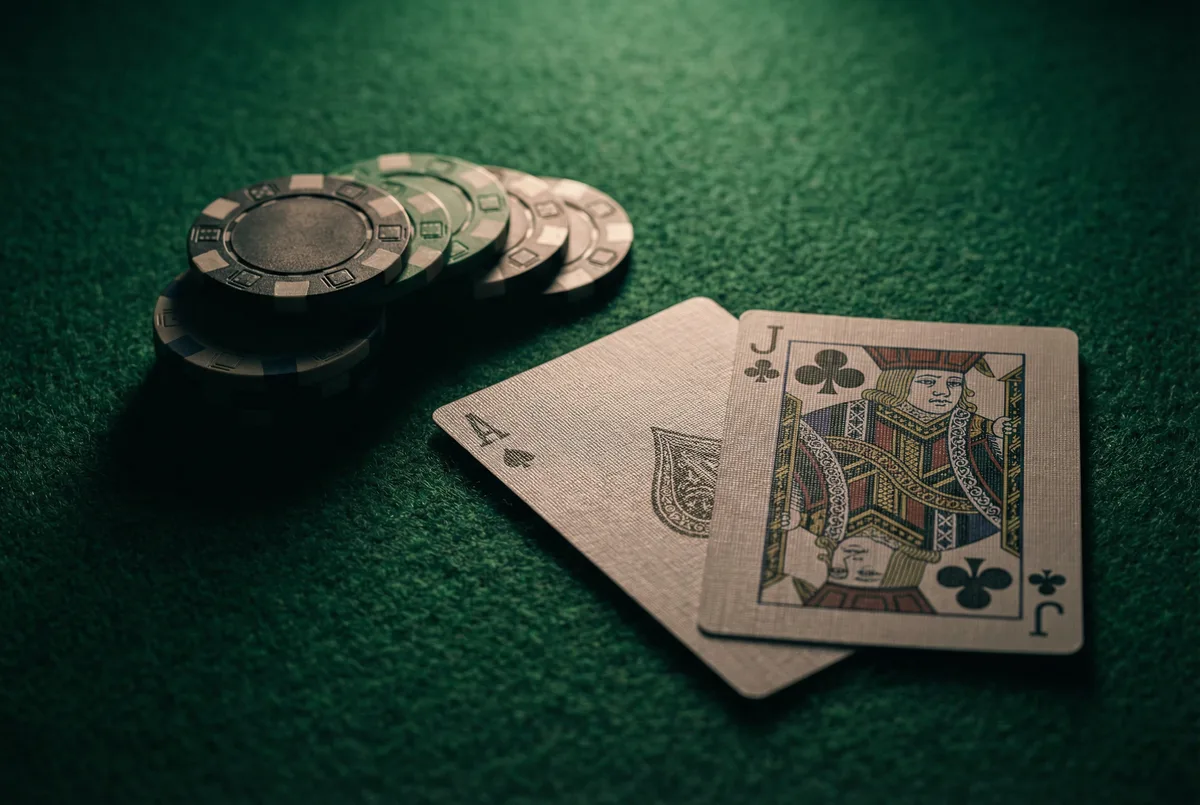
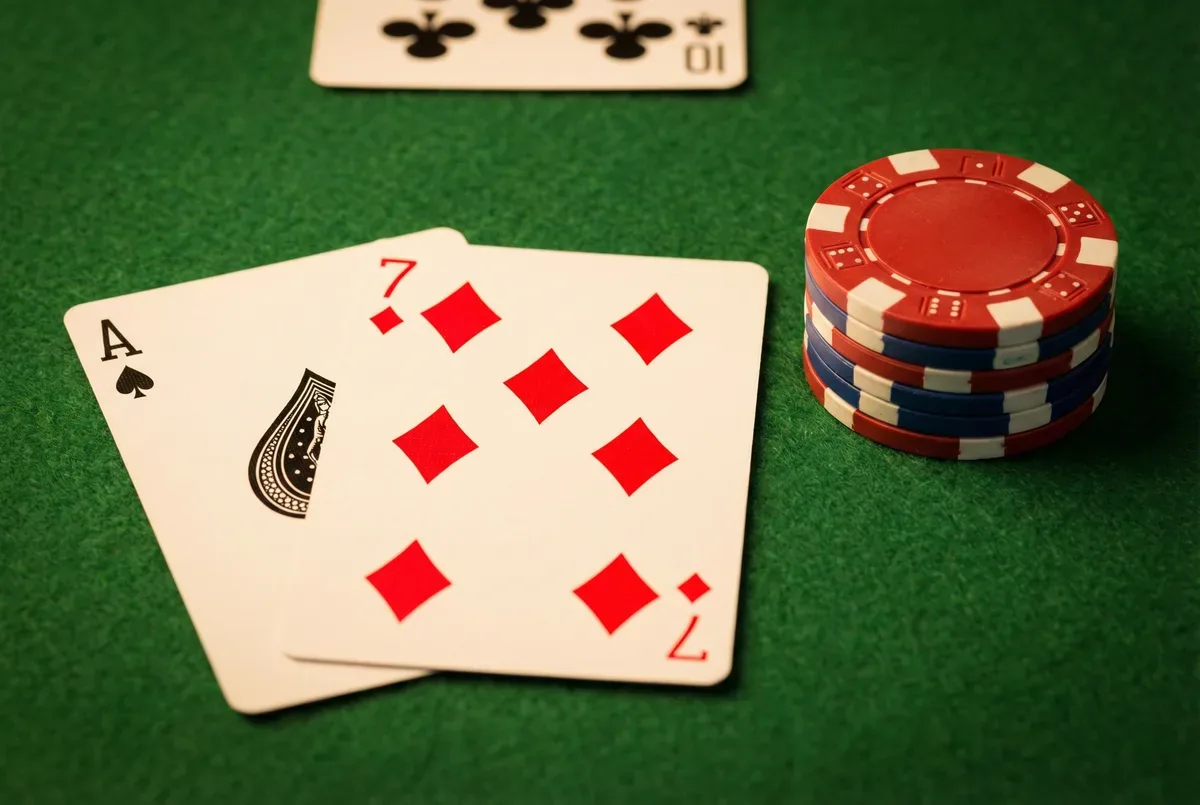
A 6 to 5 payout means that a natural blackjack a two-card total of 21 consisting of an Ace and a ten-value card pays $6 for every $5 wagered instead of the standard $7.50 for every $5 at 3:2 odds. On a $25 bet, a 3:2 natural pays $37.50. The same natural at a 6:5 table pays only $30. The difference is $7.50 per natural, every time you are dealt one.
Naturals occur approximately 4.8 percent of the time in a 6-deck game, or about one every 20 hands. Over 80 hands, you can expect roughly 3.8 to 4 naturals per session. At $7.50 less per natural, the 6:5 rule costs approximately $28 to $30 per session at a $25 table before accounting for any other edge differences between games.
Why Casinos Offer 6 to 5 Tables Alongside Standard 3 to 2 Games?
Casinos introduced 6:5 blackjack as a way to dramatically increase hold percentage on low-limit and single-deck games while keeping table minimums attractive. Single-deck blackjack is naturally vulnerable to skilled players the 6:5 modification converts the single-deck game from a player-friendly 0.15 percent edge into a 1.54 percent edge game that outperforms even many multi-deck tables for the casino.
The 6:5 rule has since spread to multi-deck games at many properties, particularly on crowded floors where casual players fill seats without reading the layout. The rule is always disclosed on the table felt casinos are legally required to post payout odds. The problem is positioning: 6:5 tables are placed in high-traffic areas near tourist corridors, while 3:2 tables tend to occupy higher-limit sections where the casino expects more scrutiny from serious players.
Dealer Shows
Your Hand
Dealer shows Ace. You have a natural blackjack at a 6:5 table. Take even money?
Even money locks in a 1:1 payout on a natural worth only 6:5. At 3:2, even money is borderline. At 6:5, where your natural already pays less, surrendering the full payout for 1:1 is always wrong. Decline even money and take the 6:5 payoff.
How to Spot and Avoid 6 to 5 Tables Before You Sit Down?
The payout information is always printed directly on the table felt. Look for the phrase “Blackjack pays 3 to 2” printed near the betting circle. If it reads “Blackjack pays 6 to 5” or any ratio other than 3:2 walk away. Even money blackjack games exist and carry their own problems. The felt does not lie. You just have to read it before sitting down.
At online casinos, the payout ratio appears in the game rules panel, usually accessible before any bet is placed. I check this before every session at a new table. Some platforms offer multiple blackjack variants simultaneously both 6:5 and 3:2 games on the same lobby page. The thumbnail images and game names often look identical. Open the rules before you deposit chips.
⚠ Alert
Never Play 6 to 5 Blackjack
What Is the 6 to 5 Rule Cost Across a Full Year of Play?
At $25 per hand over 80 hands per session and two sessions per month, the 6:5 rule costs approximately $667 per year in additional expected loss versus a comparable 3:2 game. At a $50 table the number doubles to $1,334 per year. These are expected value figures based on the 1.39 percent edge increase actual results vary with variance, but the long-run expectation is consistent and mathematical, not a matter of luck.
The compounding problem with 6:5 tables is that players who do not understand the rule tend to also make other strategic errors taking insurance, refusing to double on soft hands, standing on 16 vs. dealer 7. The 6:5 rule attracts players who are not reading the table, and those same players typically play worse strategy. The casino captures both the rule edge and the strategy edge simultaneously.
The Only Correct Response When You Find a 6 to 5 Table
If you are ready to play with the discipline this game rewards, play 25 hands at a live table in the lobby and practice reading the rules panel before every session you start. The payout ratio is the first thing I check before the deck count, before the shuffle frequency, before anything else. Every chip is real from hand one, so set your session limit and only sit at 3:2 games.
Frequently Asked Questions
A 6:5 payout on a natural blackjack adds 1.39% to the house edge compared to a standard 3:2 game. On a $25 bet, a natural pays $30 instead of $37.50, a difference of $7.50 per natural. With naturals occurring roughly once every 20 hands, this single rule change costs approximately $27 to $30 extra per 80-hand session.
Look at the table felt before sitting down. The payout ratio is always printed near the betting circle. If it reads Blackjack pays 6 to 5 or shows any ratio other than 3 to 2, leave the table. At online casinos, check the game rules panel before placing your first bet.
No. Perfect basic strategy reduces the house edge for the rules present it cannot recover a 1.39% structural disadvantage baked into the payout ratio. The only correct response to a 6:5 table is to find a 3:2 game. No playing strategy, betting system, or rule combination available to a player offsets the natural blackjack payout difference.
Before you test these plays at a real table, run them through our free blackjack simulator practice unlimited hands at zero cost until every move becomes automatic.
See Your Exact Expected Loss at Any Payout Rule
Enter your bet size, session length, and table rules. The calculator shows the real cost before you sit down.
Blackjack Academy is an educational resource. All strategy is based on mathematical expectation. Always play within your means.
Learn More
Continue your education with these related lessons.
When to Split 4s Against a Dealer 5 or 6 Upcard
Splitting 4s looks wrong every time it comes up hard 8 is a solid total. But against dealer 5 or…
How to Memorize Basic Strategy Faster
The fastest methods for memorizing blackjack basic strategy chunking by hand category, color-coded chart technique, realistic time estimates, and practice…
How Late Surrender Saves Your Bankroll on 15s and 16s
Late surrender on hard 15s and 16s against strong dealer upcards is one of the most underused plays in blackjack.…