

Why the 6 is the Worst Dealer Upcard According to Math
- Why the Dealer 6 Have the Highest Bust Probability of Any Upcard
- How to Adjust Your Strategy When the Dealer Shows a 6?
- Why Doubling Against a Dealer 6 More Profitable Than Just Hitting Matters?
- How Do Table Conditions Make a Dealer 6 Upcard Even More Valuable?
- How to Lock In Dealer 6 Mastery With Live Table Practice
The dealer 6 upcard produces a bust 42 percent of the time in a 6-deck game the highest bust probability of any dealer upcard. That single number changes the correct play for more hands than any other upcard in the chart. Against a dealer 6, you stand on 12, you double every eligible hand from hard 9 through soft 18, and you split every pair that blackjack basic strategy allows. The dealer 6 is not just a weak card. It is the most profitable dealer position a player can encounter, and most recreational players do not extract its full value.
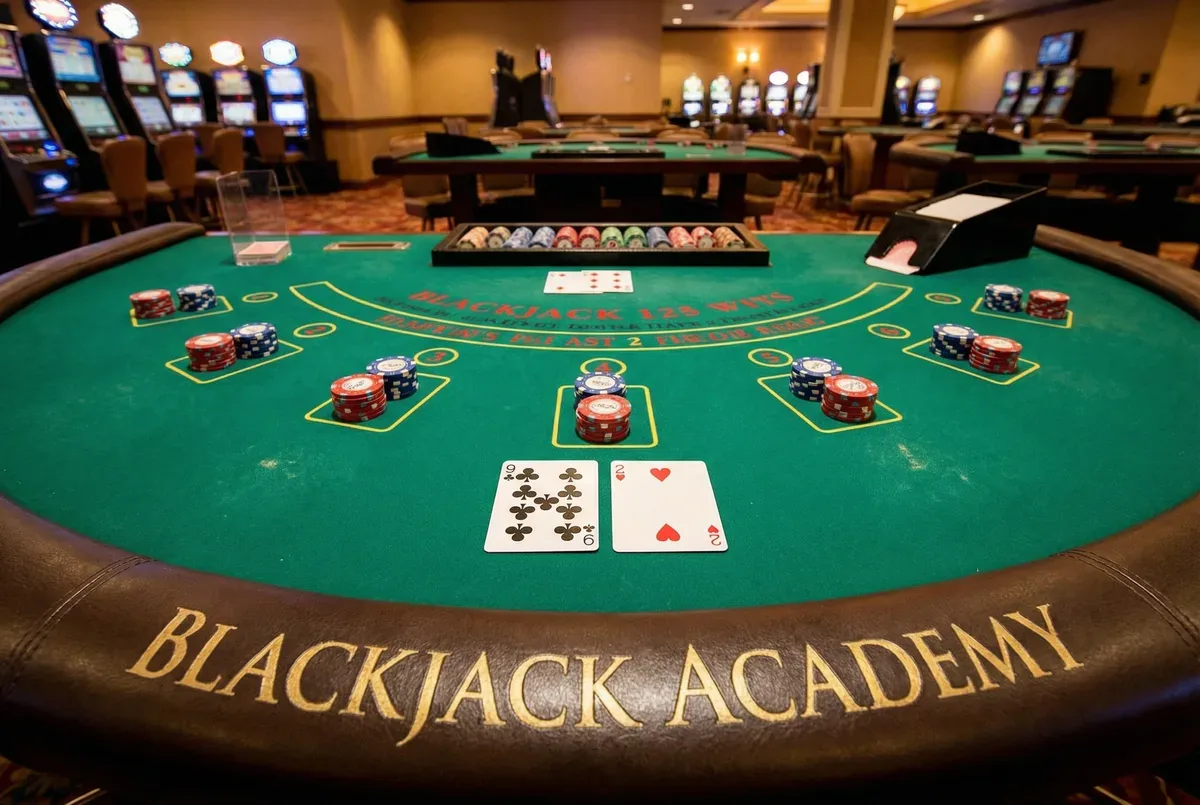
You sit down at a $25 table on a Wednesday afternoon. First hand: dealer shows a 6 upcard. You look at your cards: 3 and 6, giving you hard 9. The player to your left stands on 14. The player to your right hesitates. You know exactly what to do and why.
Why the Dealer 6 Have the Highest Bust Probability of Any Upcard
The dealer 6 bust probability of 42 percent comes from the dealer’s mandatory drawing rules combined with the starting card disadvantage. When the dealer shows a 6, their most likely hole card by frequency is a 10-value card, giving them a starting total of 16. The dealer must hit 16 under all rule conditions, and hitting 16 busts 61.5 percent of the time. This cascade strong starting total probability, forced draw, high bust frequency from that draw produces the 42 percent cumulative bust rate.
Dealer 5 is nearly identical at approximately 42 percent bust probability. Dealer 4 falls to about 40 percent. Dealer 2 and 3 sit in the 35 to 36 percent range. The difference between dealer 6 and dealer 7 is significant dealer 7 busts only 26 percent of the time, because the dealer’s most likely completion from a 7 is 17 or 18, not a busting draw. That gap in bust probability explains why you play 12 through 16 differently against a 6 versus a 7.
How to Adjust Your Strategy When the Dealer Shows a 6?
Against dealer 6, the strategy adjustments work in your favor at every level. Hard hands 12 through 16: stand. You do not need to improve your total when the dealer is busting 42 percent of the time. Any hand you do not bust wins automatically when the dealer busts. Hard 9, 10, and 11: double. The combination of a strong drawing hand and the highest dealer bust frequency makes these the most profitable doubles on the chart.
Soft hands A-2 through A-7: double against dealer 6. These are the six soft doubles the chart requires, and dealer 6 is one of only two upcards where all six are correct (dealer 5 is the other). Pairs: split 2s, 3s, 4s, 6s, 7s, 8s, and 9s against dealer 6. Every split creates an additional hand that benefits from the dealer’s vulnerability. The only pairs you do not split against dealer 6 are 10s and 5s and you double 5-5 instead.
Dealer Shows
Your Hand
Dealer shows 6. You have hard 9 (3, 6). Double down?
Hard 9 vs dealer 6 is a mandatory double. The dealer's 42% bust probability combined with your strong drawing position creates maximum EV. You are most likely to draw a 10-value card for 19, and the dealer is most likely to bust. Never miss this double.
Why Doubling Against a Dealer 6 More Profitable Than Just Hitting Matters?
Doubling doubles the reward when circumstances favor you and dealer 6 is the maximum favorable circumstance. The EV difference between doubling hard 9 versus hitting hard 9 against a dealer 6 is approximately $0.15 per dollar. On a $25 bet, that is a $3.75 advantage per double opportunity. In a session where dealer 6 appears as the upcard roughly 10 to 12 times and you hold a doubleable hand four or five of those times, correct doubling adds $15 to $18 in expected value compared to hitting every time.
Players who do not double against dealer 6 because they are “afraid to put more money out” are applying fear logic to a mathematical certainty. The chart does not suggest doubling it requires doubling. Deviation from the chart on dealer 6 doubles and soft doubles is one of the highest-cost strategic errors a blackjack basic strategy player can make per hand.
Dealer 6 Bust Probability
SAFEHow Do Table Conditions Make a Dealer 6 Upcard Even More Valuable?
Double After Split (DAS) rules multiply the value of dealer 6 by allowing you to double hands formed after splitting. If you split 3-3 against dealer 6 and draw a 6 to one of the split hands for a total of 9, DAS lets you double that hand too. Without DAS, you play the split normally. The ability to double after split adds approximately 0.14 percent to player edge in a 6-deck game a meaningful portion of that value comes directly from splits against weak dealer upcards including the 6.
Deck count also affects dealer 6 profitability for card counters. A higher proportion of 10-value cards in the remaining shoe increases the probability that the dealer’s hole card is a 10, pushing the starting total toward 16 and increasing bust probability above the baseline 42 percent. This is why true count deviation charts show increased aggression against weak upcards at positive counts.
How to Lock In Dealer 6 Mastery With Live Table Practice
When you are ready to put dealer 6 exploitation to work under real conditions, sit down at a live table and track every dealer 6 upcard for a full session. Count how many doubles and splits you execute correctly. Real money sharpens the discipline faster than any practice app, so commit your session budget before you take your seat.
Frequently Asked Questions
The dealer 6 produces a bust 42% of the time in a 6-deck game the highest bust probability of any upcard. When the dealer shows 6, their most likely starting total is 16 (6 plus a 10-value hole card), and the dealer must hit 16, which busts 61.5% of the time. This cascade of rules creates the highest dealer vulnerability in the game.
Stand on hard 12 through 16 against dealer 6. You do not need to improve your hand because the dealer busts 42% of the time, and any hand you do not bust automatically wins when the dealer busts. The exception is hard 17 and above always stand regardless of dealer upcard.
Doubling eligible hands hard 9, 10, 11, and soft 13 through 18 produces the highest EV against dealer 6. The dealer's 42% bust probability combined with strong drawing hands creates maximum doubling value. Hard 9 vs dealer 6 is one of the highest-EV doubles on the basic strategy chart.
Before you test these plays at a real table, run them through our free blackjack simulator practice unlimited hands at zero cost until every move becomes automatic.
Model Every Dealer 6 Double and Split Decision
The calculator shows exact expected value for doubles, splits, and stands against any dealer upcard including dealer 6.
Blackjack Academy is an educational resource. All strategy is based on mathematical expectation. Always play within your means.
Learn More
Continue your education with these related lessons.

Why You Always Split Aces and 8s in Every Version of Blackjack
Splitting aces and 8s is the one pair-splitting rule that never changes. Here is the mathematical case for both unconditional…
When to Split 4s Against a Dealer 5 or 6 Upcard
Splitting 4s looks wrong every time it comes up hard 8 is a solid total. But against dealer 5 or…
Probability of Busting on a 12 and Other Hand Statistics
The probability of busting on a hard 12 is just 31% meaning you survive 69% of the time. Understanding the…