
Why Standing on a Pair of 9s is Better Than Splitting
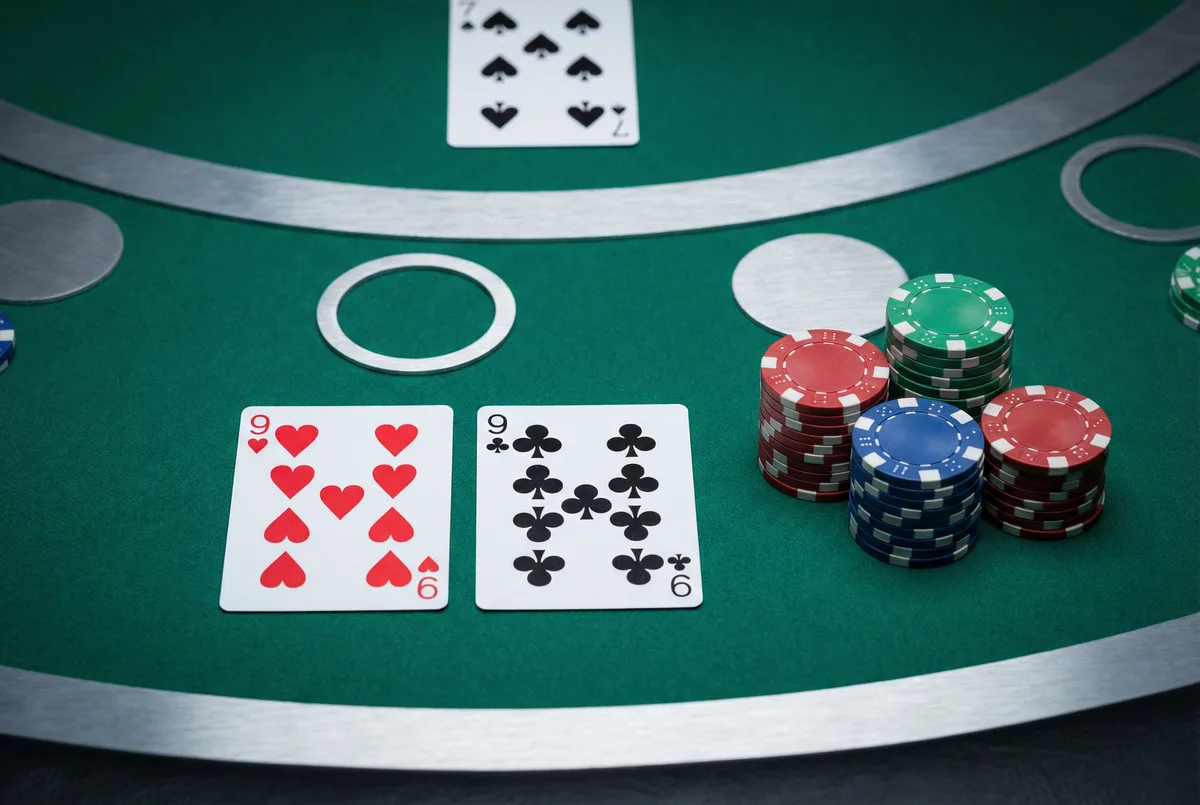
When was the last time you sat down at a blackjack table and received a pair of 9s? If your first instinct is to split them, you are in the majority and you are right most of the time. A pair of 9s splits correctly against six different dealer upcards. But three of the ten possible dealer cards should stop your hand before it reaches the chips. Understanding splitting 9s means knowing exactly which three upcards flip the math from split to stand, and why. The answer involves expected value, not instinct.
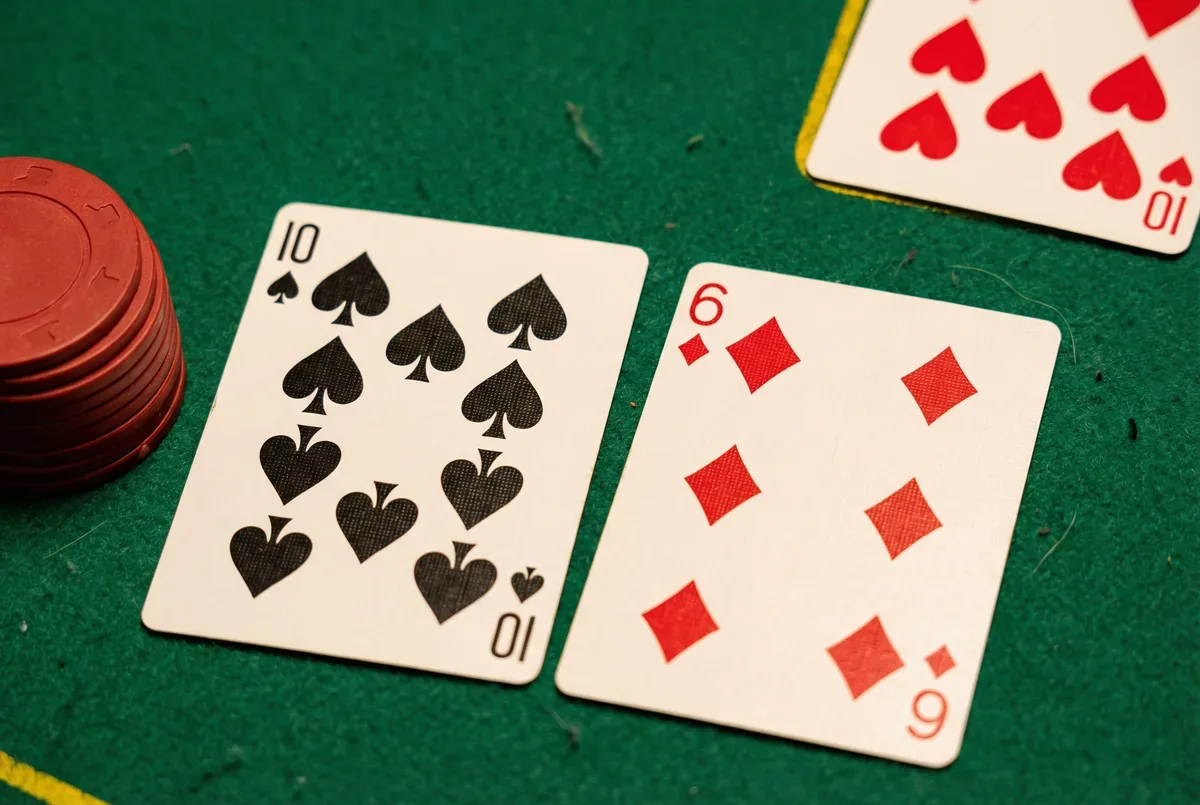
A pair of 9s is already an 18. Before you split, ask whether two separate hands starting from 9 are likely to beat the dealer's specific upcard more reliably than keeping the 18 intact. Against a dealer 7, your 18 already beats the most probable dealer outcome of 17. Splitting just to make two hands is not a reason. The math has to justify it.
When Splitting a Pair of 9s Actually Make Sense
Split 9s against a dealer 2, 3, 4, 5, 6, or 8. Against these six upcards, your 18 is strong but not dominant, and two separate 9s give you two chances to build better hands against a dealer in a vulnerable position. Against a 2 through 6, the dealer’s bust probability ranges from 35 to 42 percent high enough to make two aggressive starting hands worthwhile. Against an 8, the dealer most likely finishes at 18, turning your tied 18 into a potential 19 on each split hand.
The numbers behind the 8-upcard decision are instructive. Standing on 9-9 against a dealer 8 has an EV of roughly 0.08 per dollar wagered. Splitting returns approximately 0.18. That 0.10 gap exists because the dealer’s most probable outcome of 18 turns your guaranteed push into a fight and splitting lets you attack from two starting points instead of accepting the tie.
Dealer Shows
Your Hand
You have a pair of 9s against a dealer 7. What is the correct play?
Stand on 9-9 against a dealer 7. The dealer's most probable outcome is 17. Your 18 already beats 17 without needing to do anything. Splitting gives you two hands that each need to outperform 17 independently unnecessary risk when the dealer is likely to hand you the win.
Why the 7, 10, and Ace Are the Three Exceptions That Change Everything?
Stand on 9-9 against a dealer 7, 10, or Ace. Against a dealer 7, the dealer’s most probable outcome is exactly 17. Your 18 already beats that outcome. Splitting creates two hands that each start from 9 and need to beat 17 independently. The original 18 wins cleanly the split hands introduce variance without improving your expected return.
Against a dealer 10 or Ace, the dealer is strong. The dealer completes to 17 or better about 77 percent of the time when showing a 10, and about 83 percent when showing an Ace. Your 18 is a competitive but not dominant hand against these upcards. Splitting against a 10 or Ace means you are starting two hands from 9 against one of the most powerful dealer positions in the game. The math consistently says stand.
I have watched players split 9s against a dealer Ace at live tables and lose both hands to dealer 20. The split feels like an attack. The math says it is an unnecessary exposure. Stand on 9-9 against a 7, 10, and Ace protect your 18 and let the dealer play into it.
| Dealer Upcard | Stand EV | Split EV |
|---|---|---|
| Dealer 2 | ||
| +0.12 per $1 | ||
| +0.18 per $1;Dealer 6 | ||
| +0.15 per $1 | ||
| +0.22 per $1;Dealer 7 | ||
| +0.17 per $1 | ||
| +0.10 per $1;Dealer 8 | ||
| +0.08 per $1 | ||
| +0.18 per $1;Dealer 10 | ||
| -0.15 per $1 | ||
| -0.22 per $1;Dealer A | ||
| -0.18 per $1 | ||
| -0.24 per $1 |
What Is the Fastest Way to Remember the 9-9 Rule at the Table?
The easiest shortcut: split 9s against everything except 7, 10, and Ace. Two of those three, the 10 and Ace, and are the dealer’s two strongest cards. The 7 is the exception that surprises most players because it looks like a weak dealer card. It is not weak in this context. A dealer 7 is specifically dangerous for 9-9 because 17 beats your natural instinct to split while losing to your intact 18.
A second way to remember it: the dealer 7, 10, and Ace are the three upcards where the dealer most reliably reaches a total that either ties or beats the individual 9-start hands you would create by splitting. Against all other upcards, the dealer is either likely to bust or likely to fall short of 18, making your two split hands competitive.
How Do Different Game Rules Affect the 9-9 Decision?
In standard 6-deck S17 and H17 games, the 9-9 rule is stable. The stand-against-7-10-Ace structure holds across both rule sets. Double-after-split rules can slightly increase the value of splitting in some configurations, but not enough to override the stand decisions against 7, 10, and Ace. If your table allows DAS, the split edges against 2 through 6 and 8 improve marginally but the three stand exceptions remain identical.
The one scenario to note: if you are playing a game where resplitting pairs is not allowed, the value of splitting 9s against an 8 drops slightly. Starting from a 9 and catching another 9 without the ability to resplit is a small disadvantage. At most tables this does not change the decision, but it is worth knowing the rule before you sit down. Play 25 hands of live blackjack specifically tracking every 9-9 situation. Note the dealer upcard each time, make the chart-correct play, and see how quickly the distinction between stand and split becomes automatic. Real money is involved from hand one, so decide your session limit before you start.
Making the 9-9 Stand Decision Automatic at a Live Table
At a live table, hesitation on the 9-9 decision invites attention and costs money. The rule is narrow: split against 2 through 6 and against 8 or 9, stand against 7, stand against 10 or Ace. Write it on a strategy card, drill it in a blackjack simulator until it is instantaneous, then trust the math at the table. The 18 against a dealer 7 is already a winning position protecting it by standing is the professional decision.
Frequently Asked Questions
No. Split 9s against a dealer 2, 3, 4, 5, 6, or 8. Stand on 9-9 against a dealer 7, 10, or Ace. Against a 7, your 18 already beats the dealer's most likely total of 17. Against 10 and Ace, the dealer is too strong to justify splitting.
Against a dealer 7, the most probable dealer outcome is 17. Your 18 wins without splitting. Against an 8, the dealer most likely finishes at 18, turning a push into a competitive fight splitting gives you two chances to build past 18.
Double after split improves the value of splitting against 2 through 6 and 8 slightly, but it does not change the stand decisions against 7, 10, or Ace. The three exceptions remain the same regardless of DAS rules.
Before you test these plays at a real table, run them through our free blackjack simulator practice unlimited hands at zero cost until every move becomes automatic.
Run the 9-9 Numbers Before You Sit Down
The calculator shows exact EV for every 9-9 split vs stand decision across all dealer upcards.
Blackjack Academy is an educational resource. All strategy is based on mathematical expectation. Always play within your means.
Learn More
Continue your education with these related lessons.

How the Reno Rule and Restricted Doubling Changes Your Play
The Reno rule limits doubling down to hard 9, 10, and 11 only. Learn which hands lose EV, how to…

Why the Dealer Has the Advantage on Stiff Hands
The double-bust rule both player and dealer bust, dealer wins is the primary source of house edge in blackjack. Here…
How Much the No Double After Split Rule Costs You
Playing without Double After Split costs 0.14% of your expected edge but the real damage comes from not adjusting your…