
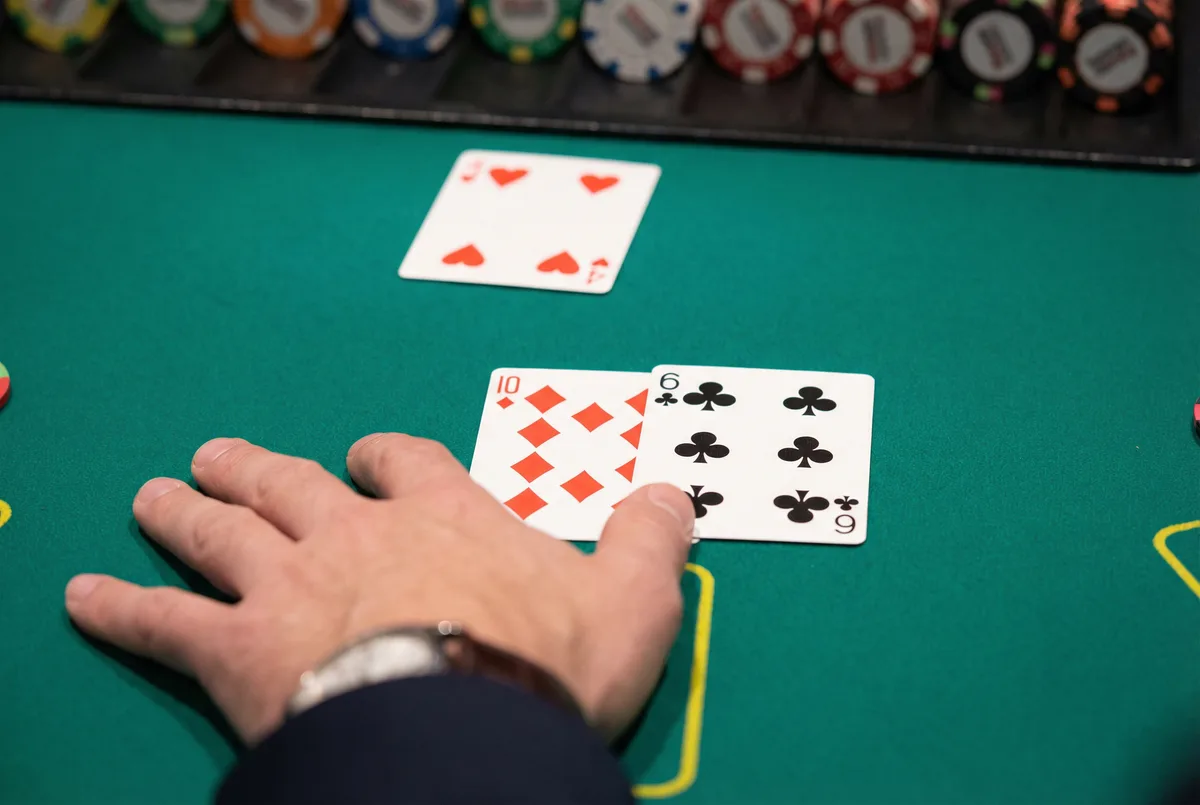
When to Stand on 12 Through 16 Against a Dealer 2 Through 6
Stiff hands from 12 to 16 cause more lost chips than any other spot in blackjack. Most players either hit everything out of fear or stand on everything out of stubbornness.
Neither approach is correct.
When the dealer shows a 2 through 6, the math shifts sharply in your favour and standing becomes the highest-EV play on most of those totals. Understanding the exact boundaries of that rule, including the critical exception at 12 versus 2 and 3, is what separates disciplined players from the crowd bleeding money at every stiff hand.
Dealer Bust Rates for Upcards 2 Through 6
Dealer 2 busts
%
Dealer 3 busts
%
Dealer 4 busts
%
These bust percentages are the engine behind every standing decision in the stiff zone. When the dealer shows a 6, they will bust over four times in ten hands. That shifts the optimal play from actively chasing 21 to simply staying alive and letting the dealer destroy their own hand.
The progression from 2 to 6 is not uniform. A dealer 2 busts 35% of the time, meaningfully lower than a dealer 6 at 42%.
That seven-point difference explains why your strategy on 12 changes depending on whether the dealer shows a 2, a 3, or a 4. The bust rate is not flat across weak upcards, and treating it as flat is a costly shortcut.
When You Stand on 12 Through 16 Against Weak Upcards?
Stand
Hit
- slightly -EV
- more -EV (hit)
The core rule is clean: stand on 13 through 16 against any dealer upcard from 2 through 6, without exception. Those totals sit in the danger zone where hitting draws a bust card roughly 54 to 61% of the time. Standing costs you wins you never would have captured anyway.
Why You Hit 12 Against a Dealer 2 or 3?
Common Myth
“You should always stand on 12 when the dealer shows a weak card”
Players assume any dealer upcard under 7 means standing is correct. The logic of letting the dealer bust feels universal.
The Reality
Basic strategy says hit 12 against a dealer 2 or 3. The dealer bust rate on those upcards is not high enough to offset the disadvantage of holding 12.
Standing on 12 vs 2 carries a higher expected loss than hitting. The EV gap is small but real, and the correct play is to hit.
A dealer 2 busts only 35% of the time. That means 65% of the time they complete a hand you need to beat.
Holding a 12 against that completion rate puts you at a disadvantage if you refuse to improve. Only four card ranks bust a 12 on the draw: 10, J, Q, K. That is roughly a 31% bust probability on one hit, which is acceptable when the dealer is only marginally weak.
Why Players Get 16 Wrong So Often?
The psychological pull to hit 16 comes from a feeling that 16 cannot win. And it is partially true: you need the dealer to bust. But against a 4, 5, or 6, the dealer busts 40 to 42% of the time. Standing is not passive. It is converting that bust rate into profit without risking a certain loss from hitting.
There is a secondary scenario worth knowing: 16 versus a dealer 9, 10, or Ace. Against those strong upcards, surrender is the mathematically correct play in games that offer it. Surrendering returns half your bet and avoids the worst EV scenarios in the entire blackjack strategy chart. If surrender is unavailable, you hit.
How to Apply Stiff Hand Strategy at a Real Table
Memorise two things before you sit down: stand on 13 through 16 versus dealer 2 through 6, and hit 12 against a dealer 2 or 3. Those two rules cover the vast majority of stiff-hand decisions you will face and they eliminate the most common leaks in intermediate player games.
If you want to test these decisions under pressure before risking real money, the live dealer tables at hold your stand decisions firm at a real-money table let you practise stiff-hand reads against a real dealer in a real-money environment, so approach that with appropriate bankroll discipline and awareness that real funds are at stake.
Frequently Asked Questions
Yes. Standing on 16 versus a dealer 6 is correct basic strategy. The dealer busts 42% of the time showing a 6, and hitting a 16 busts you roughly 62% of the time. Standing lets the dealer's bust rate work in your favour.
The dealer bust rate on a 2 is only 35% and on a 3 is 37%. Those rates are not high enough to justify holding a weak 12. Only four card ranks bust a 12 on the draw, so hitting once is the higher-EV play against those marginally weak upcards.
Surrender 16 against a dealer 9, 10, or Ace whenever the game offers that option. Those upcards push the EV of standing and hitting both into deeply negative territory. Surrendering recovers half your bet and avoids the worst outcomes in the strategy chart.
Before you test these plays at a real table, run them through our free blackjack simulator practice unlimited hands at zero cost until every move becomes automatic.
Blackjack Involves Real Financial Risk
Basic strategy reduces the house edge but does not eliminate it. Every session carries the possibility of losing your entire buy-in. Never play with money you cannot afford to lose, and set strict loss limits before you sit down.
Blackjack Academy content is for educational purposes only. Past strategy outcomes do not guarantee future results. Gambling may be illegal or restricted in your jurisdiction.
Learn More
Continue your education with these related lessons.
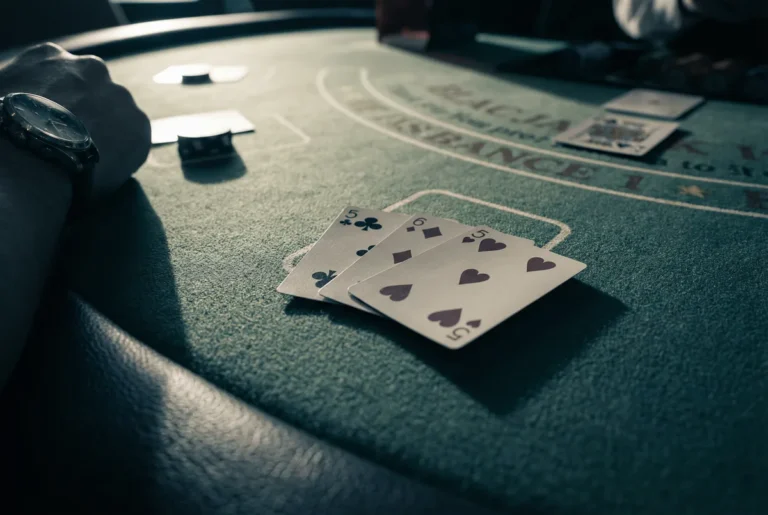
Multi Card 16 Strategy for Standing Instead of Hitting
Hard 16 against a dealer 10 is one of the most painful decisions in blackjack but most players do not…
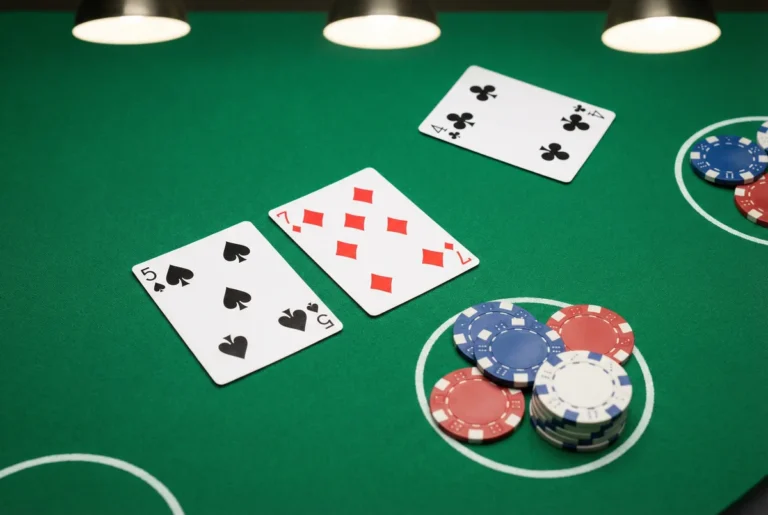
Free Printable Blackjack Strategy Chart for Every Possible Hand
A blackjack strategy chart maps every possible player hand against every dealer upcard and tells you the mathematically correct play.…
Protecting Your Winning Probability by Standing on Hard 17
Hard 17 is the line where hitting becomes categorically worse than standing against every dealer upcard. The bust rate on…