
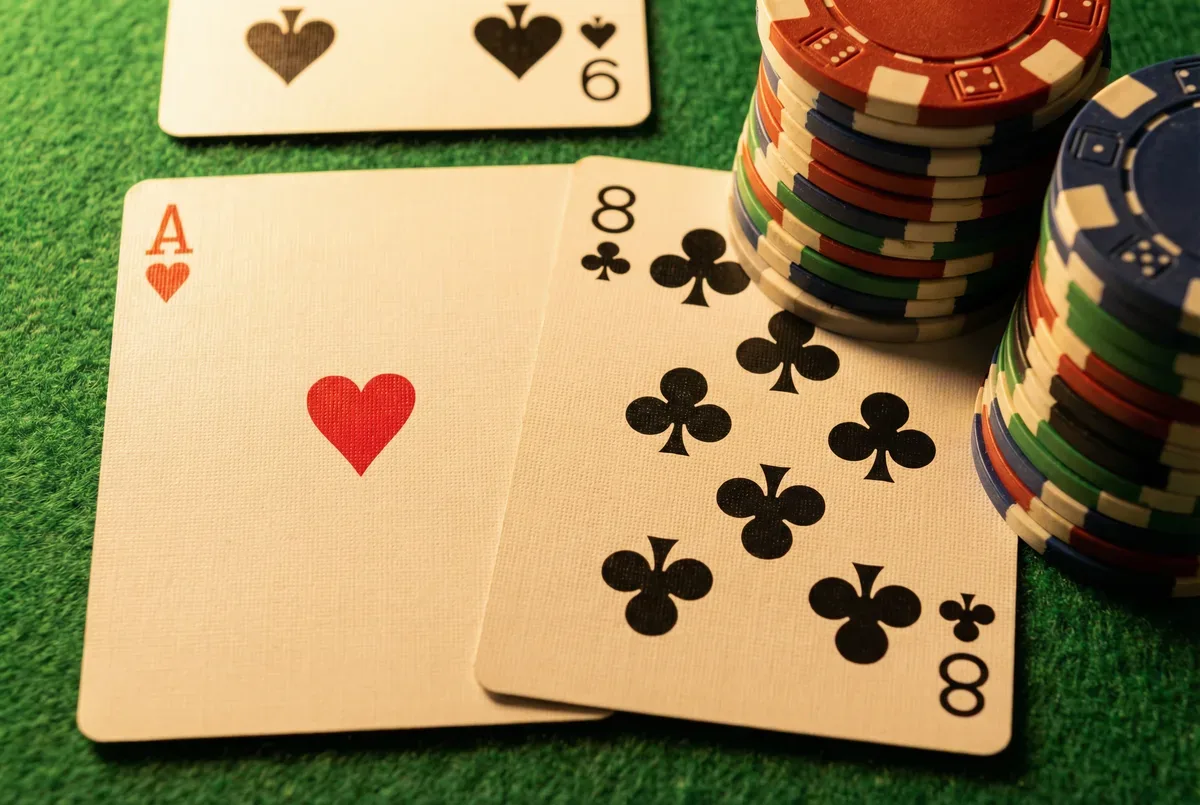
Soft 19 Strategy for Doubling Down Against a Dealer 6
- What Makes Soft 19 a Doubling Candidate Against Certain Dealer Upcards
- What Is the EV Calculated for Doubling Soft 19 Against Dealer 6?
- When to Stand on Soft 19 Instead of Doubling?
- How Soft 19 Strategy Differs Across Deck Counts and Rule Sets?
- How to Execute the Soft 19 Double Decision at a Live Table
Soft 19 Ace and 8 feels like a hand that needs no decision. Nineteen wins the majority of blackjack hands. Standing is automatic, instinctive, and almost always correct. Almost. Against a dealer 6, single-deck blackjack basic strategy says double soft 19. Against a dealer 6 in some multi-deck configurations, the double is marginal. The reason is not intuitive but is mathematically real: the dealer 6 busts over 42 percent of the time, the Ace eliminates all bust risk on the double (any total above 11 simply makes the Ace count as 1), and the doubled wager receives the full benefit of the dealer’s weakness. Standing on soft 19 against a dealer 6 is not wrong in multi-deck games but understanding why the double exists makes a better player.
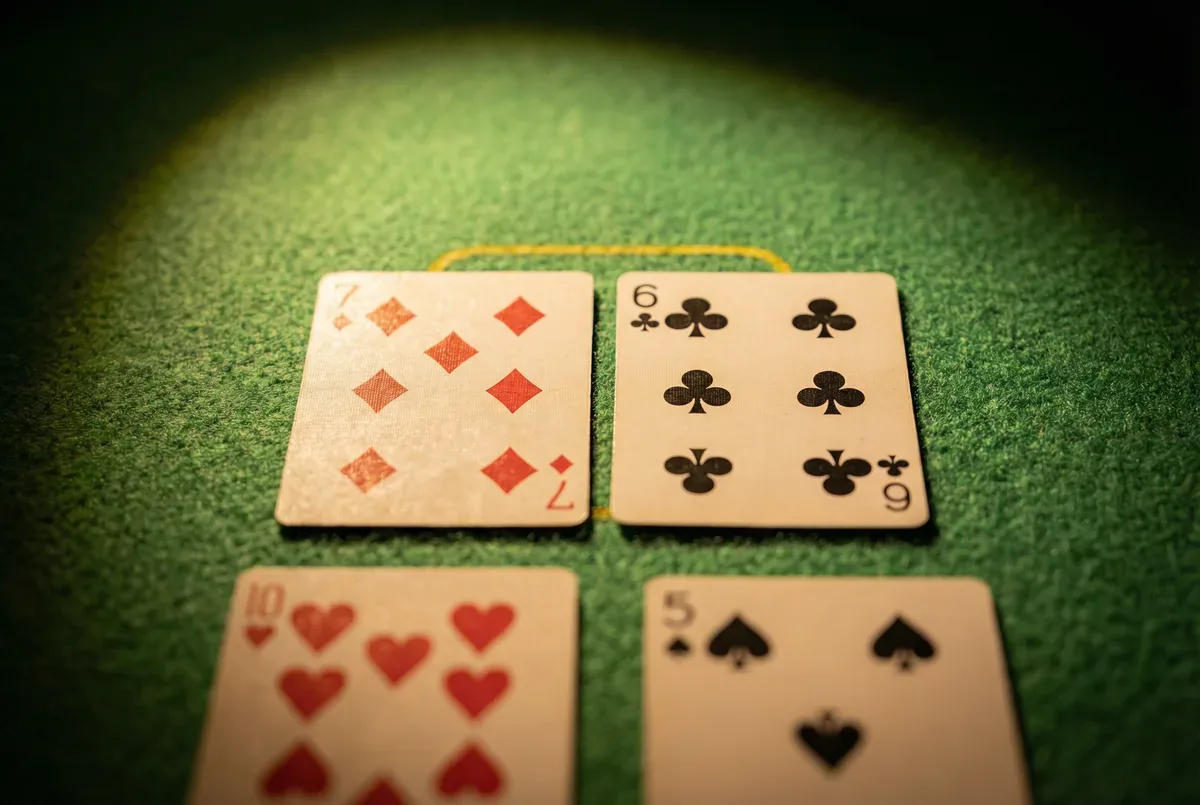
Soft 19 is the hand that separates players who have internalized soft-double logic from players who memorized a chart. The logic is: any Ace-X hand against a weak dealer upcard has a doubling threshold. When dealer bust probability is high enough and your Ace absorbs all hit risk, the extra wager is profitable. Soft 19 is at the edge of that threshold in single-deck, it clears. In 6-deck, it nearly does. Learn the logic, and you will never misplay a soft double again.
What Makes Soft 19 a Doubling Candidate Against Certain Dealer Upcards
The doubling logic for any soft hand rests on two conditions: the dealer is weak enough to bust frequently, and the player’s Ace eliminates the double-down bust risk. When you double soft 19, the worst possible draw is a 2, giving you soft 21 a blackjack-level hand if the dealer busts, a winner if the dealer makes 20. More likely draws include 10s and face cards, producing soft 29 which automatically re-values to hard 19. Any card 2 through 8 either produces a better total than soft 19 (Ace + 8 + 2 = soft 21) or leaves you at hard 19 (Ace + 8 + 10 = hard 19). There is no bust outcome. The risk-elimination is complete.
Against a dealer 6, the dealer busts approximately 42 percent of the time. A doubled wager that collects full payment 42 percent of the time from bust alone plus wins against lower dealer completed totals shifts the EV above the standing value when the draw distribution is favorable. The threshold is not dealer 5 or dealer 4, where the doubling is more clearly correct for lower soft totals. For soft 19, only dealer 6 (and in some calculations, dealer 5) crosses the threshold where the doubled-wager EV exceeds the standing EV in single-deck. In multi-deck, the margin is narrower and standing becomes the safer default.
What Is the EV Calculated for Doubling Soft 19 Against Dealer 6?
Standing soft 19 against dealer 6 has an EV of approximately +0.39 per dollar the player wins a substantial fraction of hands because both the 42 percent dealer bust rate and wins against dealer 18 or less accrue to the standing player. Doubling soft 19 against dealer 6 in a single-deck game has an EV of approximately +0.41 to +0.43 per dollar slightly higher because the doubled stake collects more on the frequent dealer-bust outcomes and the draw distribution under single-deck is favorable. The advantage is 2 to 4 cents per dollar small, but real, and it exists every time this hand appears.
In a 6-deck game, the EV of doubling soft 19 against dealer 6 is approximately +0.38 per dollar marginally below the standing value of +0.39. This is why multi-deck blackjack basic strategy lists stand on soft 19 against all upcards. The EV difference is 1 cent per dollar, and the standard chart defaults to the lower-variance action: stand. For single-deck players, doubling is correct and worth the extra bet. For multi-deck players, standing is the technically correct chart play though the EV cost of doubling is approximately zero.
Dealer Shows
Your Hand
Single-deck game. Dealer shows 6. You have soft 19 (Ace-8). Double or stand?
In single-deck, doubling soft 19 against dealer 6 is the mathematically correct play. The dealer busts ~42% of the time, the Ace eliminates all bust risk on the double, and the doubled stake collects full payment on dealer bust outcomes. EV of doubling (~+0.42) slightly exceeds standing (~+0.39) in single-deck. In 6-deck, standing is the chart play the EV margin reverses by approximately 1 cent per dollar. Always confirm deck count before applying this decision.
When to Stand on Soft 19 Instead of Doubling?
In multi-deck games 6 or 8 decks stand on soft 19 against all dealer upcards. The EV margin that makes doubling correct in single-deck disappears in multi-deck because composition effects are diluted. Against dealer upcards other than 6 (and marginally 5), soft 19 is never a doubling candidate regardless of deck count the dealer’s bust probability is not high enough to make the doubled stake more valuable than the guaranteed near-winner standing value. Against dealer 7 through Ace, stand soft 19. Against dealer 2 through 4, stand soft 19. The doubling window is narrow: single-deck, dealer 6 only.
Soft 19 Single-Deck
Soft 19 6-Deck
- Double vs dealer 6 (EV ~+0.42)
- Stand vs dealer 5 (EV ~+0.35)
- Stand vs all other upcards
- Composition effects meaningful
- Check deck count before each session
- Stand vs dealer 6 (EV ~+0.39)
- Stand vs dealer 5 (EV ~+0.33)
- Stand vs all upcards no exceptions
- Composition effects minimal
- One rule applies across entire shoe
How Soft 19 Strategy Differs Across Deck Counts and Rule Sets?
The soft 19 doubling rule illustrates why carrying the correct chart for your game matters. A player using a 6-deck chart at a single-deck table and standing soft 19 against dealer 6 is leaving approximately 2 to 4 cents per dollar on the table every time this hand appears. Over 200 hands, soft 19 against dealer 6 appears roughly once or twice. The EV cost of using the wrong chart on this one hand type is small but avoidable. Rule sets also affect the calculation: a no-DAS table makes doubling less attractive because double-after-split becomes unavailable; a game with liberal doubling rules makes soft double accuracy more important. Always play with the chart that matches your actual game.
Soft 19 against dealer 6 is also relevant for players learning the logic of soft doubling from first principles. The full soft-double range Ace-2 through Ace-8, against various upcards follows a consistent pattern: higher soft totals require weaker dealer upcards to justify doubling, lower soft totals justify doubling against a wider range of dealer upcards. Ace-3 doubles against dealer 5 and 6. Ace-4 doubles against dealer 4, 5, and 6. Ace-7 doubles against dealer 3, 4, 5, and 6. Ace-8 doubles only against dealer 6 in single-deck. The pattern is the principle: bust probability × doubled-wager equity versus standing equity.
How to Execute the Soft 19 Double Decision at a Live Table
Soft 19 against dealer 6 requires one pre-session confirmation: deck count. Single-deck game double soft 19 against dealer 6. Multi-deck game stand. The decision takes zero thought at the table once the deck count is known. The risk of error is the opposite of most deviations: not hitting when you should stand, but standing when the single-deck chart says double. Open the live lobby now and note the deck count in the game rules before placing a single chip this one data point changes your soft 19 action and is visible before you commit real money to the session. Set your budget before clicking in.
Frequently Asked Questions
In single-deck against dealer 6: yes, double. The dealer busts ~42% of the time, the Ace eliminates all bust risk on the draw, and the doubled EV (~+0.42) slightly exceeds standing (~+0.39). In 6-deck games: stand on soft 19 against all upcards. The EV margin reverses in multi-deck standing is marginally better. Always confirm deck count before applying the soft 19 double decision.
In single-deck: double soft 19 against dealer 6 only. All other upcards (2-5 and 7-Ace): stand. In multi-deck: stand on soft 19 against all dealer upcards no doubling. Soft 19 is at the edge of the soft-double threshold: the dealer's bust probability against a 6 is sufficient in single-deck, but not in multi-deck configurations.
Single-deck composition effects amplify the EV advantage of soft doubles because each removed card represents a larger fraction of the deck. In a 52-card deck, the favorable distribution of remaining cards makes the soft 19 double marginally profitable against dealer 6. In a 312-card shoe, the same composition effects are diluted to the point where standing becomes the higher-EV action by approximately 1 cent per dollar.
Before you test these plays at a real table, run them through our free blackjack simulator practice unlimited hands at zero cost until every move becomes automatic.
Use our free blackjack calculator to model the exact expected value for any rule combination or hand situation before you sit down.
Confirm Deck Count Before Your First Soft Double
Single-deck and 6-deck soft 19 strategy diverge on dealer 6. The live lobby displays deck count before you sit. One check one correct decision for the entire session.
Blackjack Academy is an educational resource. All strategy is based on mathematical expectation. Always play within your means.
Learn More
Continue your education with these related lessons.
Why Basic Strategy Is Not Intuitive
The three counter-intuitive moves that beginners resist hitting 12 vs dealer 3, doubling A-8 vs 6, splitting 8s vs 10…
Why You Should Only Play at Stand on Soft 17 Tables
Stand on Soft 17 (S17) tables give you a 0.22% lower house edge than Hit on Soft 17 (H17) tables.…
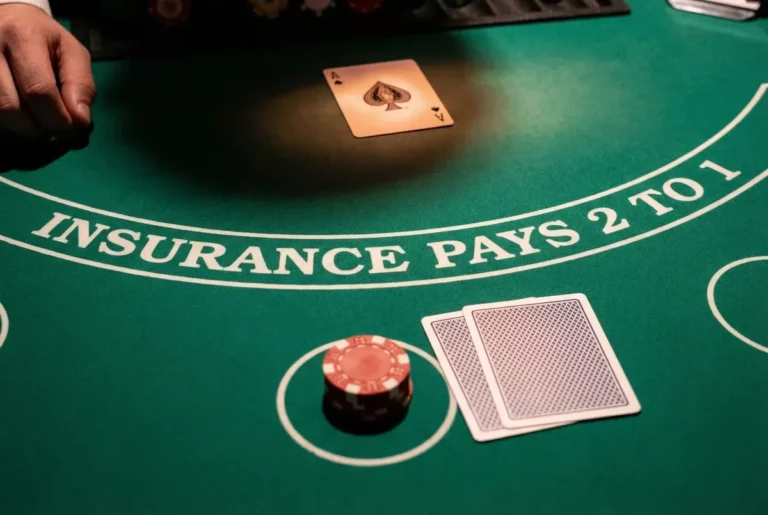
When to Never Take Insurance and When It Is Actually the Right Call
Insurance pays 2:1 but the dealer needs a 10-value hole card more than 33.3% of the time for it to…