
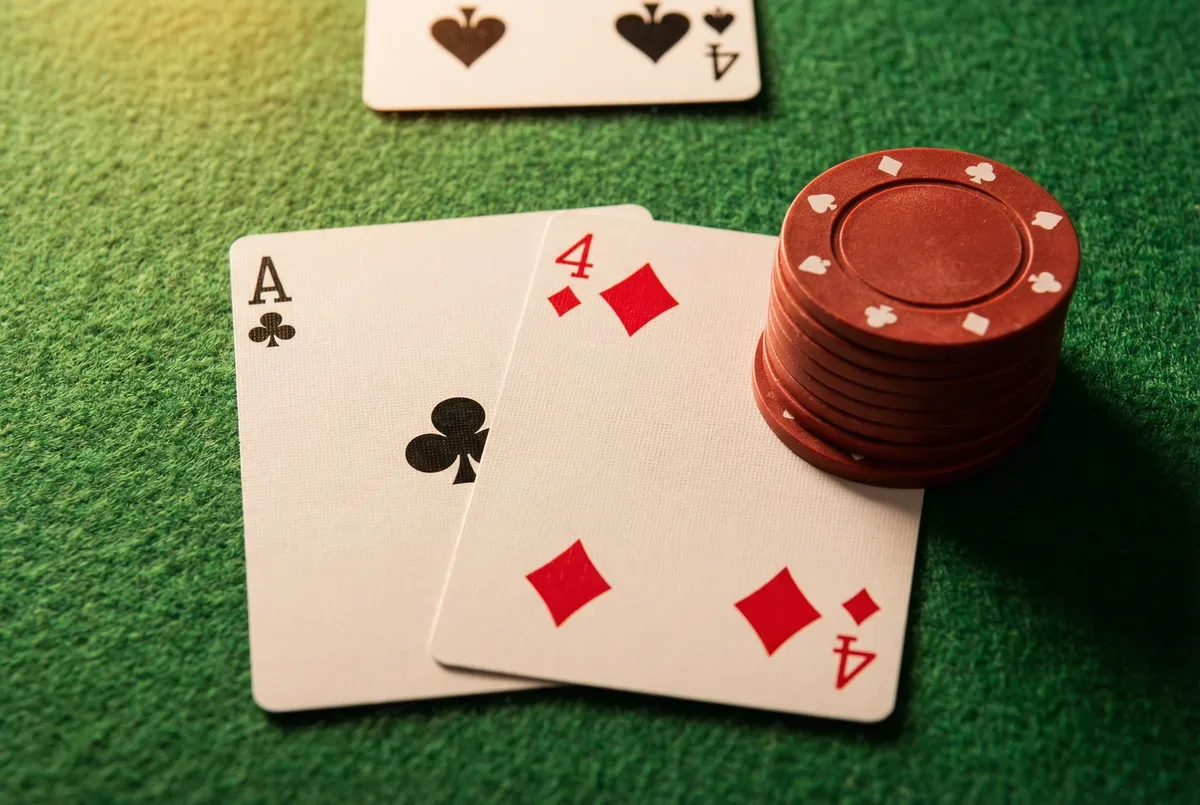
How to Handle Soft Hands Correctly in Every Situation
I have watched more money walk off the table through soft hand errors than almost any other mistake in blackjack basic strategy. Soft hands are the hands with an Ace counting as 11 without busting, and they carry a property that changes everything: you cannot bust one on a single draw. That fact transforms hands most players treat as neutral into doubling opportunities, hitting situations, and standing decisions that require precise knowledge of the dealer upcard to execute correctly.
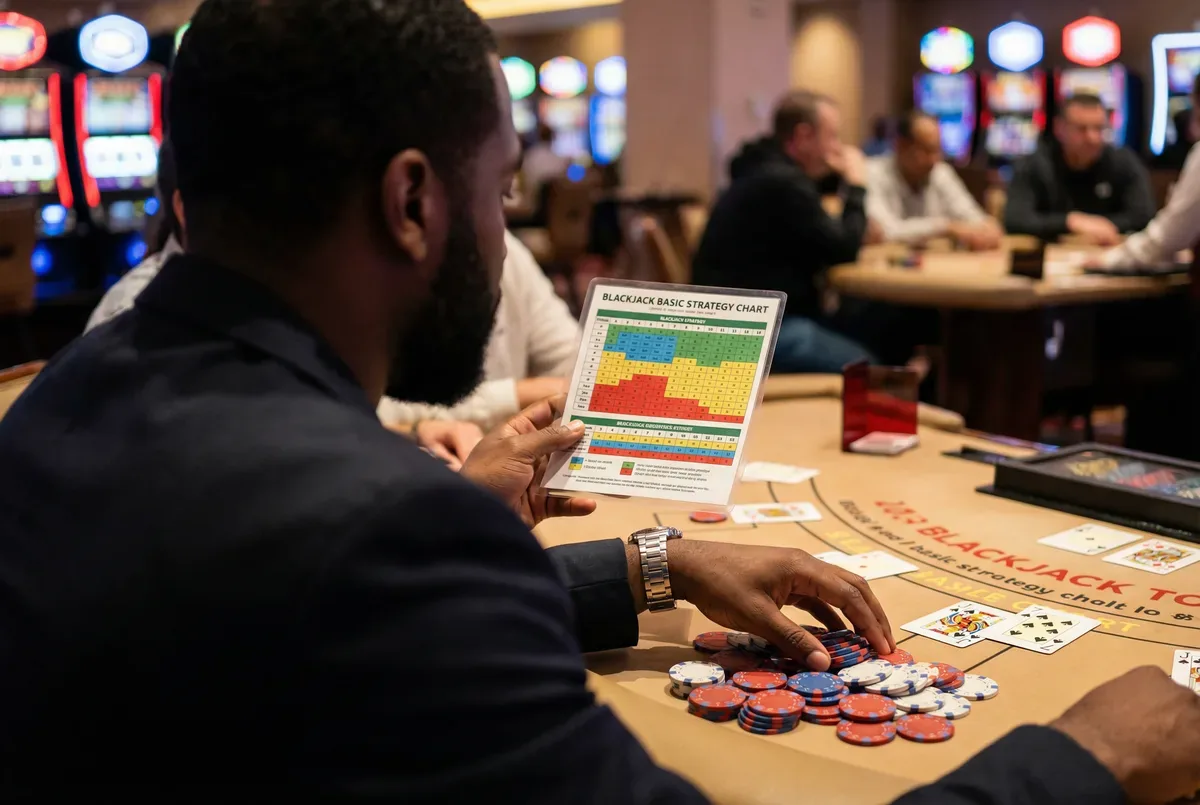
The soft hand strategy covers eight distinct starting totals, from soft 13 (Ace-2) through soft 20 (Ace-9). Each one has a correct play that depends entirely on what the dealer is showing. Memorize the pattern and you eliminate one of the biggest EV leaks recreational players carry into every session.
- Soft 13-14 (A-2, A-3)Double vs dealer 5-6. Hit all others.
- Soft 15-16 (A-4, A-5)Double vs dealer 4-6. Hit all others.
- Soft 17 (A-6)Double vs dealer 3-6. Hit all others.
- Soft 18 (A-7)Double vs dealer 3-6. Stand vs 2, 7, 8. Hit vs 9, 10, Ace.
- Soft 19 (A-8)Stand all. Double vs dealer 6 in single-deck only.
- Soft 20 (A-9)Always stand already a strong 20.
- Soft 21 (blackjack)Cannot be hit automatic win at 3:2.
- KeyAce always counts as 1 if doubling or hitting would bust impossible to bust a soft hand on one draw.
Soft Hand Explained
A soft hand is any hand where an Ace is counted as 11 and the total does not exceed 21. The defining feature is that the Ace can switch from 11 to 1 if you draw a card that would otherwise cause a bust. That flexibility makes soft hands structurally different from hard hands of the same numerical total.
Consider soft 17 (Ace-6). A hard 17 is a standing hand against nearly every dealer upcard because hitting risks busting. Soft 17 cannot bust on one draw. Draw a 10 and the Ace drops to 1, giving you hard 17, the same total you started with. That safety transforms soft 17 into a doubling hand against a weak dealer, while hard 17 is only ever a standing hand.
Every soft hand decision flows from this property. The Ace is your insurance against the bust. It lets you be aggressive when the dealer is vulnerable and take cards when standing would leave you behind. Ignoring that distinction is what causes players to misplay soft hands repeatedly without realizing it.
When to Double Soft 13 Through Soft 17?
Soft 13 through soft 17 are offensive hands when the dealer shows a weak upcard. Against dealer 3 through 6, these hands convert from neutral to profitable doubling opportunities, because the dealer’s bust probability is high enough to justify putting twice the money on the table.
The doubling range expands as your soft total increases. Soft 13 and 14 only double against dealer 5 and 6. Soft 15 and 16 double against dealer 4 through 6. Soft 17 doubles against dealer 3 through 6. Outside those ranges, the correct play is to hit, not stand. Standing on soft 13 through 17 is never correct in blackjack basic strategy.
Dealer Shows
Your Hand
Dealer shows 6. You have soft 17 (Ace-6). What is the correct play?
Soft 17 against dealer 6: double down. The dealer busts approximately 42% of the time showing a 6, the highest bust rate of any upcard. Soft 17 cannot bust on one draw since the Ace falls to 1 if you draw a 10. EV of doubling soft 17 vs dealer 6 is approximately +0.15 per original dollar vs +0.06 for hitting. Players who stand or hit here instead of doubling are leaving significant value behind on one of the most favorable hands in basic strategy.
Why Soft 18 Is the Most Misplayed Hand in Basic Strategy?
Soft 18 requires three different actions depending on the dealer upcard, making it the most action-variable hand in blackjack basic strategy. Against dealer 3 through 6, double. Against dealer 2, 7, and 8, stand. Against dealer 9, 10, and Ace, hit. No other hand in the chart changes behavior across this many distinct zones.
The mistake players make is treating 18 as a strong standing hand across the board. Against a dealer 9, your soft 18 is a losing hand when you stand. The dealer reaches 19 or better more than half the time showing a 9. Hitting gives you a real chance to reach 19, 20, or 21. The EV gap is approximately 0.08 per dollar wagered. Over a full session, that gap compounds into a meaningful amount of money.
Common Myth
“Soft 18 is a strong hand always stand on 18”
Players treat soft 18 as equivalent to hard 18. It is not. Soft 18 is flexible the Ace can count as 1 if drawing produces a better total. Against dealer 9, 10, or Ace, standing on soft 18 loses more than hitting.
The Reality
Soft 18 has three different correct actions depending on the dealer upcard: double vs 3-6, stand vs 2, 7, 8, and hit vs 9, 10, Ace. It is the most action-variable hand in basic strategy.
Soft 18 vs dealer 9: hit EV = -0.10, stand EV = -0.18. Hitting saves 0.08 per dollar every time.
When to Double Soft 19 or Soft 20?
Soft 19 (Ace-8) is a standing hand in nearly all standard blackjack variations. You already hold 19, which beats any dealer total of 18 or below and pushes a dealer 19. The risk-reward calculation does not favor hitting or doubling when you already hold a strong made total.
The one exception is single-deck blackjack against a dealer 6. In that specific game format, doubling soft 19 against dealer 6 produces a small positive EV advantage over standing. This is a single-deck-only rule. In multi-deck games, always stand on soft 19 regardless of the upcard.
Soft 20 (Ace-9) is always a standing hand. You have 20. The only totals that beat you are dealer 21, which happens infrequently enough that no action you take improves your expected outcome. Standing on soft 20 against every upcard is correct strategy with no exceptions. Doubling Ace-9 is a meaningful EV loss regardless of the dealer upcard.
Drilling Soft Hand Decisions Before Playing With Real Money
The fastest way I know to internalize soft hand strategy is to isolate it as its own drilling session. Set up a deck, deal only Ace-x combinations, and call out the correct action before checking a chart. Focus especially on soft 17, soft 18, and soft 19 against the full range of dealer upcards. Those three hands cover the highest-frequency error zones.
Soft hands trip players up in live play because decisions happen fast and 18 or 17 feels intuitively strong. Your trained response needs to override that instinct automatically. Until you can call the correct action on soft 13 through soft 20 in under two seconds against any upcard, the decisions are not ready for a real table.
When you are ready to test your soft hand reads under pressure, live dealer blackjack puts real money behind every decision: watch how quickly the correct action on soft 17 against a dealer 4 becomes automatic when a genuine bet is sitting on the table.
Frequently Asked Questions
No. A soft hand cannot bust on a single drawn card. If drawing would push the total over 21, the Ace automatically switches from 11 to 1 and absorbs the card. The worst outcome on one draw is converting from a soft total to a hard total of the same or lower value. This is why soft hands support more aggressive actions like doubling and hitting.
Hard 17 has no flexibility. Drawing a card risks busting immediately, so standing is the only safe action. Soft 17 cannot bust on one draw because the Ace drops to 1 if needed. That safety allows doubling against a weak dealer upcard, which is profitable when the dealer's bust probability is high. The two hands look similar numerically but are strategically opposite.
Yes, for the dealer 2 case specifically. In S17 games where the dealer stands on soft 17, doubling soft 18 against dealer 2 becomes slightly profitable because the dealer completes fewer strong totals. In H17 games, standing soft 18 against dealer 2 is the correct play. The hit decisions against dealer 9, 10, and Ace remain the same in both rule sets.
Before you test these plays at a real table, run them through our free blackjack simulator practice unlimited hands at zero cost until every move becomes automatic.
Mathematical Risk Warning
Correct soft hand strategy improves your expected value against the house but does not guarantee winning sessions. Even perfect basic strategy results in losses over short run samples. Set a firm session budget before you sit down and treat it as the cost of play, not as money at risk of being recovered.
Blackjack Academy is an educational resource. All strategy content is based on mathematical expectation from computer-simulated analysis of millions of hands. Gambling involves real financial risk.
Learn More
Continue your education with these related lessons.
Doubling Soft 13 Through 18 Against a Dealer 5 or 6
Most players double hard 10 and 11 without hesitation but miss the six soft doubles against a dealer 5 or…
How to Mentally Track Your Session’s Expected Value
Learn how to calculate and mentally track your session's expected value before you sit down. Convert house edge into real…
Soft 19 Strategy for Doubling Down Against a Dealer 6
Soft 19 (Ace-8) against a dealer 6 is a doubling hand in single-deck play and a marginal case in multi-deck.…