

How the Dealer Peek Rule Saves Players Money on Naturals
Years ago I played a session at a European casino without checking the house rules first. I doubled hard 11 against a dealer Ace in the second round confident in the decision, because in any American casino that is a correct play. The dealer flipped a 10 underneath. Dealer blackjack. I lost the full doubled bet. In a peek game, I would have lost only my original bet. That single hand cost me an extra $50 I should not have wagered, and it was entirely preventable. The dealer peek rule changes which hands you can safely double and split and if you do not know it before you sit down, you are betting blind.
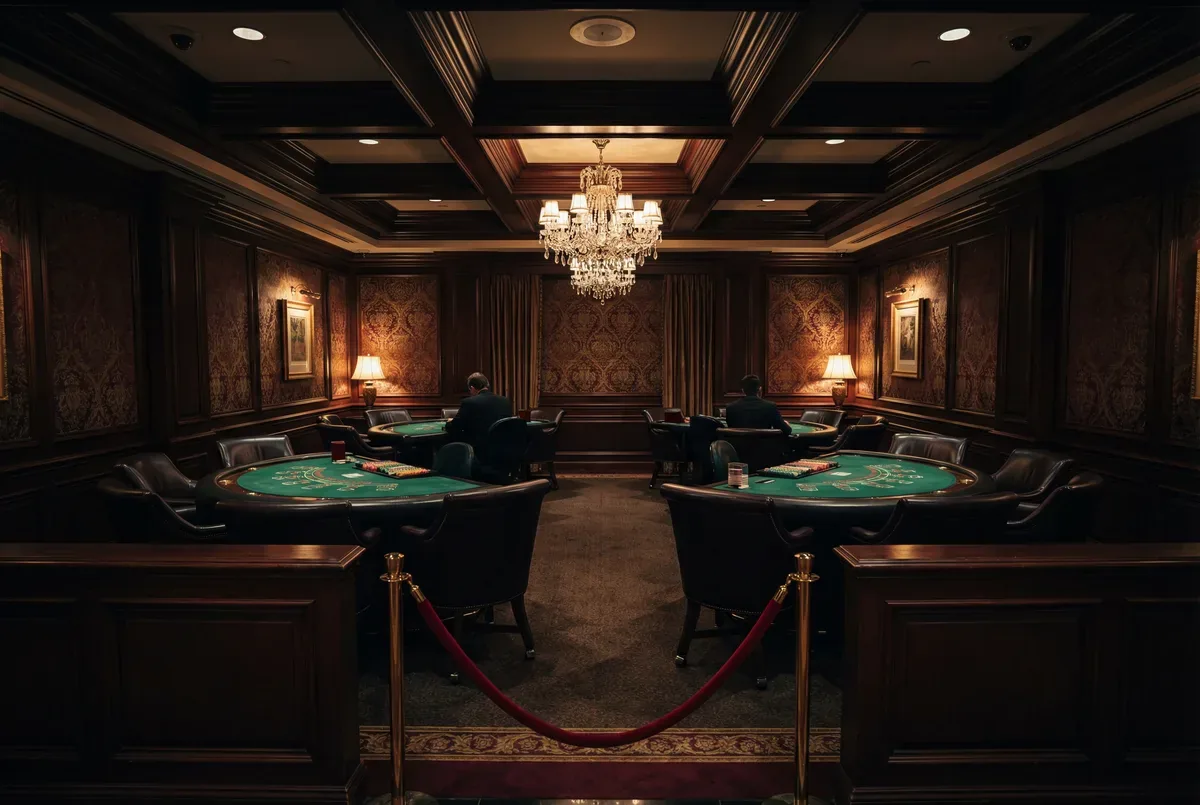
Before every session, find the rule placard or ask the dealer one question: does the dealer check for blackjack before you play your hand? In American peek games, yes. In European no-peek games, no. That answer determines whether doubling and splitting against a 10 or Ace is safe or whether you are risking a full multi-bet loss to a hand you could have avoided.
Dealer Peek Rule Explained
The dealer peek rule means the dealer checks their hole card for blackjack before players act on their hands. If the dealer has a 10 or Ace showing and the hole card completes a blackjack, the round ends immediately and all bets including original bets lose. No player has the opportunity to double or split into a losing blackjack hand.
This protection is significant. In a peek game, doubling hard 11 against a dealer Ace risks exactly one extra bet if the dealer has blackjack, you only lose your original wager, not the doubled amount. The doubled bet is returned before you act. Your worst case exposure is controlled. This is the standard rule at most American casinos, and it forms the foundation of the blackjack basic blackjack strategy charts most players learn.
Without the peek rule, the math changes fundamentally. When the dealer does not check before you act, any double or split you make against a dealer 10 or Ace may end up competing against a blackjack you could not see. You lose all bets placed original plus any additional amounts from doubling or splitting. That extra exposure reduces the EV of those decisions enough to flip some of them from correct doubles to hits.
Peek Game
No-Peek Game
- Double
- Double
- Split
- Split
- Double
- Hit
- Hit
- Hit or Stand
- Hit
- Double (unchanged)
How Does Specific Hands That Change Strategy in No-Peek Games?
In European no-peek games, the primary adjustments involve doubling and splitting against dealer 10 and Ace. Hard 11 versus dealer Ace: hit instead of double. Hard 10 versus dealer Ace: hit instead of double. Splitting 8s against a dealer 10 or Ace: the chart moves to hit in many no-peek variants because splitting creates two hands, both of which can lose to dealer blackjack.
The mathematical reason is straightforward. A dealer Ace will complete to blackjack about 31 percent of the time in a 6-deck game (roughly one-third of remaining cards are 10-value). Every time that happens in a no-peek game, you lose all bets placed including any doubled or split amounts. The cost of that extra exposure makes aggressive plays against Ace and 10 less profitable in expected value than the simpler hit.
Hands against dealer 2 through 9 are unaffected by the peek rule. The dealer cannot hold blackjack with those upcards, so no-peek does not change your risk exposure. Your standard blackjack basic strategy applies without modification for those 8 dealer upcards.
Dealer Shows
Your Hand
In a European no-peek game, you have hard 11 against a dealer Ace. Correct play?
Hit hard 11 against a dealer Ace in a no-peek game. In an American peek game you would double, but in no-peek games the dealer may have blackjack and you would lose the doubled bet. The extra exposure makes hitting the better expected value decision.
How Much the No-Peek Rule Actually Costs Per Session: By the Numbers?
The no-peek rule, combined with the European no-hole-card (ENHC) convention, adds approximately 0.11 percent to the blackjack house edge compared to a standard American peek game with identical rules. At $25 per hand over 80 hands, that is about $2.20 in additional expected loss per session a small but real cost that compounds over time.
The cost rises if you play your standard blackjack basic strategy without adjusting for no-peek. Doubling hard 11 against dealer Aces at a no-peek table, session after session, slowly bleeds additional EV that you are not recovering through correct strategy elsewhere. The adjustment is simple once you know it and easy to miss if you do not check the rules before sitting down.
How to Identify a Peek vs No-Peek Table Before You Place Your Bet?
In land-based casinos, check the rule placard at the table or watch the dealer on the first hand when they show a 10 or Ace. If the dealer pauses and uses a small mirror or electronic peek device before any player acts, it is a peek game. If the dealer does nothing and waits for all players to complete their hands before flipping the hole card, there is no peek.
In live online blackjack, this information is usually visible in the blackjack table rules overlay or the game description. European blackjack variants explicitly state ENHC or no-hole-card in the rules. American variants state peek. I always read this before placing a bet it takes fifteen seconds and it determines which version of blackjack basic strategy to use. Find a peek-rule table in the live lobby and confirm the rule is listed before your first hand. With real money on the line from hand one, knowing the variant you are playing is not optional.
How to Confirm the Peek Rule Before You Sit
Before buying in, check the table felt or game info panel for the words “dealer peeks” or a no-hole-card notation. At live dealer tables, the peek mechanic is visible in the first few hands watch whether the dealer checks face-down before taking action on player hands when showing an Ace or ten-value card. If you cannot confirm the peek rule, assume no-hole-card rules are in effect and adjust your double-down decisions on splits accordingly.
Frequently Asked Questions
In no-peek games, a player who doubles or splits against a dealer 10 or Ace can lose the full multi-bet amount if the dealer has a natural. In peek games, the dealer checks for blackjack before the player acts, so the player never loses doubled or split bets to a dealer natural only the original wager.
Yes. In no-peek games, doubling against dealer 10 and Ace becomes less favorable because of the risk of losing a doubled bet to dealer blackjack. Some doubles that are correct in peek games become hits in no-peek games. Always confirm peek rules before applying your standard strategy chart.
Generally yes. American-style blackjack almost universally uses the peek rule. European blackjack and many Asian market variants use the no-peek or OBO (original bets only) rule, where the dealer does not check for blackjack until after all players have completed their hands.
Before you test these plays at a real table, run them through our free blackjack simulator practice unlimited hands at zero cost until every move becomes automatic.
Know Your Rule Conditions Before You Double
The calculator adjusts EV calculations for peek and no-peek rules across every hand combination.
Blackjack Academy is an educational resource. All strategy is based on mathematical expectation. Always play within your means.
Learn More
Continue your education with these related lessons.
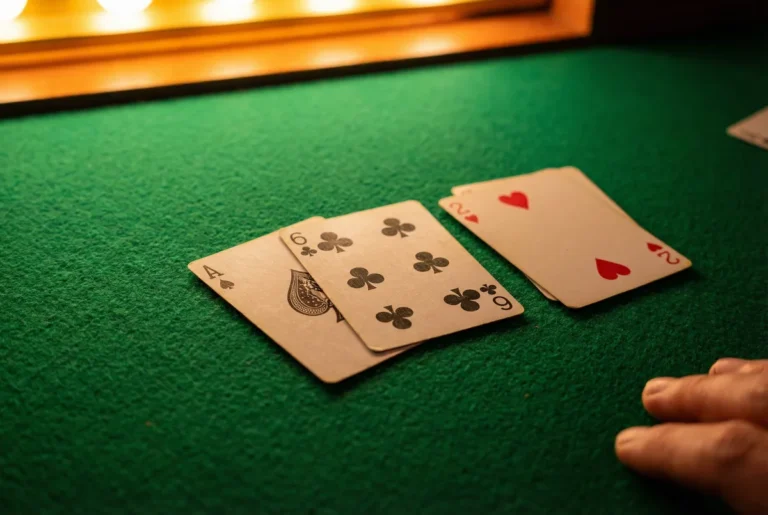
Why You Always Improve an Ace 6 by Hitting Soft 17
Soft 17 (Ace-6) is the one hand where staying put always leaves money on the table. Hitting or doubling produces…

Why Flat Betting Is the Most Rational Approach for Basic
Flat betting wagering the same amount every hand is the mathematically correct bet-sizing strategy for any player using basic strategy…
How Basic Strategy Reduces Your Long Term Losses
Basic strategy reduces the house edge from 2-4% (typical recreational player) to 0.4-0.5% (optimal). The gap is worth approximately $30-70…