
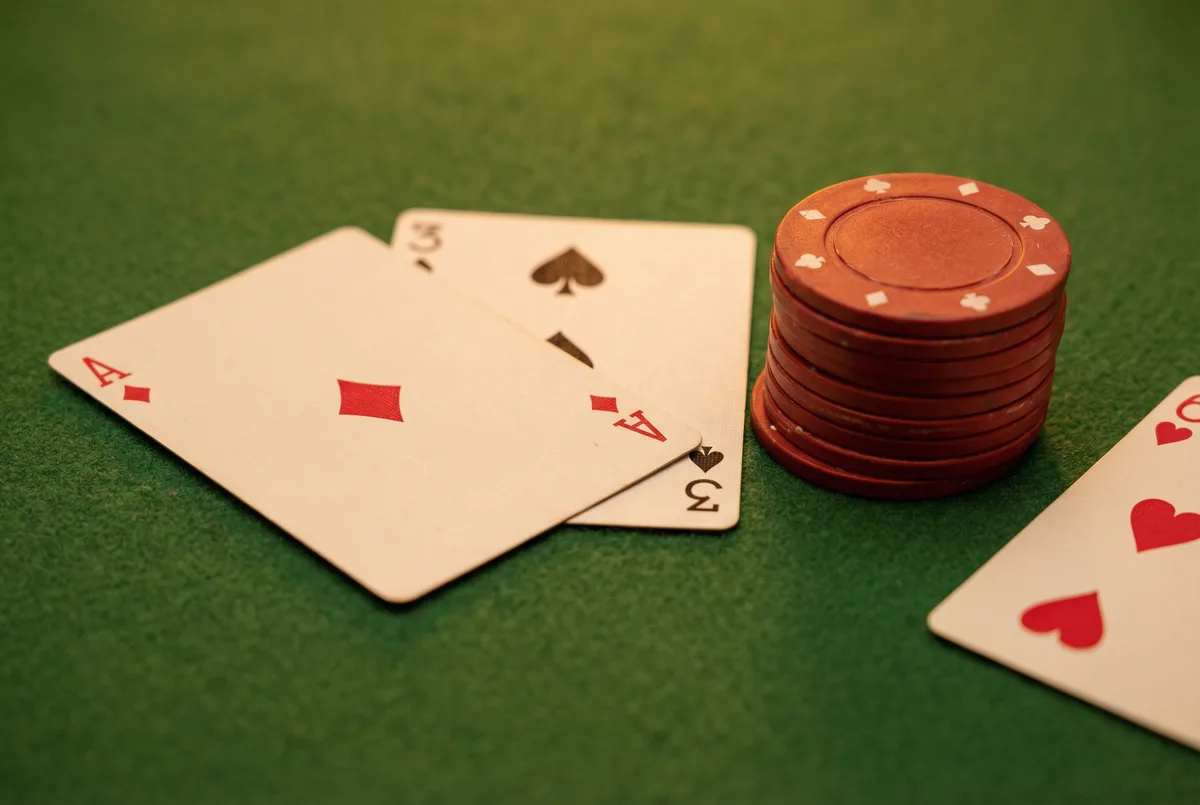
Doubling Soft 13 Through 18 Against a Dealer 5 or 6
Most players double hard 10 and hard 11 without hesitation. Those are the easy calls. But I have watched countless players look at soft 13 against a dealer 5 and simply hit they do not realize they are skipping a mandatory soft doubling decision that carries an EV advantage of approximately 0.17 per dollar wagered. Soft doubling is exactly where blackjack basic strategy separates a 0.5 percent blackjack house edge from a 2 percent one. This article covers all six soft hands that become doubles against a dealer 5 or 6, why the math forces each decision, and how to make these plays automatic.
Common Myth
“Soft doubling only applies to soft 17 and 18 against weak dealer upcards.”
The Reality
Basic strategy requires doubling all six soft hands A-2 through A-7 against a dealer 5 or 6. Missing any of these doubles adds directly to the house edge.
Soft Double Explained
A soft double means doubling down on a hand containing an Ace counted as 11. You add a second bet equal to your original wager and receive exactly one more card. The Ace’s flexibility is the key difference: if a 10-value card arrives, your hand does not bust it converts from a soft total to a hard one. You stay in the hand with twice the money at risk.
This protection is why soft doubles are structurally safer than hard doubles at the same total. A hard double risks an instant bust if a 10 arrives. Soft 13 through 18 all have Ace protection baked in. The worst outcome on a soft double is a reduced but still-live hand. The bust risk that makes some hard doubles uncomfortable simply does not apply.
Dealer Shows
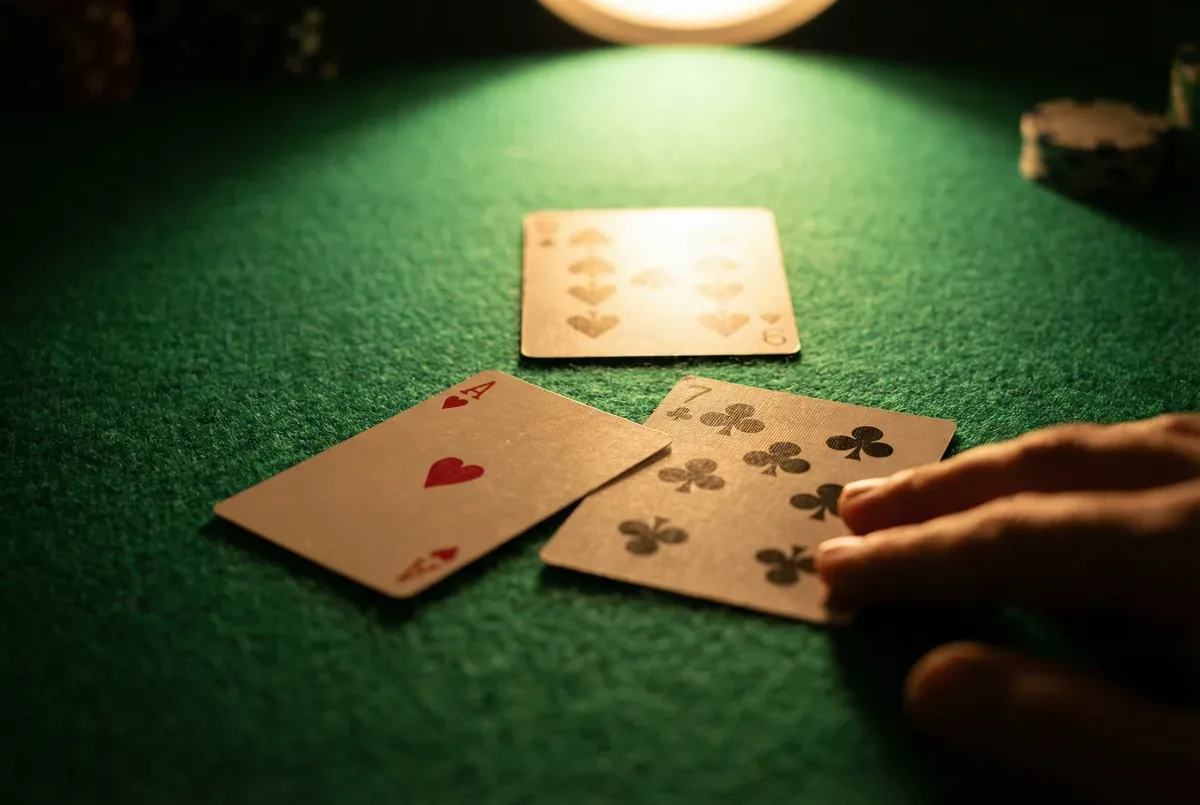
Your Hand
You have soft 13 (A-2) against a dealer 5. What is the correct play?
Double soft 13 against a dealer 5. The dealer busts 42% of the time showing a 5, and your Ace means the worst outcome on the double is a lower hard total not a bust. This is a mandatory double in basic strategy.
How Does Soft Hands That Are Correct Doubles Against a Dealer 5 or 6?
Against a dealer 5 or 6, blackjack basic strategy requires doubling soft 13 (A-2) through soft 18 (A-7) all six of these hands. Soft 13 through 16 (A-2 through A-5) double exclusively against a dealer 5 or 6. These are the most conservative soft doubles in the chart, reserved for the two upcards with the highest dealer bust probability.
Soft 17 (A-6) and soft 18 (A-7) double against a wider range. Soft 17 doubles against any dealer 3 through 6. Soft 18 doubles against a dealer 3, 4, 5, or 6. Players often resist doubling 18 because it feels like a strong hand. Against a dealer 5, the expected value of standing on soft 18 is around 0.10 per dollar doubling pushes that to roughly 0.22. The upgrade is concrete.
Here is the complete soft doubling matrix for dealer 5 and 6. A-2: double. A-3: double. A-4: double. A-5: double. A-6: double. A-7: double. Against a 5 or 6, the entire range from A-2 to A-7 is a mandatory double. No other dealer upcard activates all six. The dealer 4 triggers only soft 15 through 18. That distinction is why 5 and 6 occupy their own row on the blackjack strategy chart.
Why Dealer 5 and 6 Are the Two Richest Doubling Spots in the Game?
The dealer busts approximately 42 percent of the time when showing a 5 or 6 the two highest bust probabilities of any upcard. A dealer 4 busts around 40 percent. A dealer 2 busts around 35 percent. No upcard above a 6 comes close to 40 percent. The 5 and 6 are structurally the worst starting positions for the dealer in the entire game.
When you double, you are betting on two things simultaneously: your improved hand total and the dealer’s elevated probability of busting. Against a dealer 7, that math reverses the dealer completes to 17 or better about 74 percent of the time, turning your doubled soft hand into a risk. The 5 and 6 are the specific conditions that activate all six soft doubles precisely because both factors line up at once.
Here is the dollar translation. In a typical 6-deck session of 80 hands, you will see soft 13 through 18 against a dealer 5 or 6 approximately 6 to 8 times. At $25 per hand, correctly doubling all of them versus just hitting adds approximately $12 to $20 in expected value per session. That is a predictable, compounding edge not luck.
Hit
Double
- -0.04 per $1
- -0.01 per $1
- +0.01 per $1
- +0.05 per $1
- +0.10 per $1
- +0.13 per $1
- +0.15 per $1
- +0.17 per $1
- +0.19 per $1
- +0.22 per $1
How Deck Count Changes Your Soft Doubling Decisions?
In 4-deck, 6-deck, and 8-deck games, all six soft doubles against a dealer 5 or 6 remain correct. The deck count shifts the EV margins slightly but never enough to change any of the six decisions. If you are playing a multi-deck shoe game with standard S17 rules, the blackjack basic blackjack strategy chart you have is the authoritative guide with no modifications needed.
Single-deck games introduce minor adjustments. Soft 13 and 14 against a dealer 4 become hits in some single-deck charts because removed cards affect composition more sharply with fewer cards in play. My recommendation: print the chart specific to your game variant and check the soft-double rows. Do not apply a 6-deck chart to a single-deck game and assume the margins are identical.
How to Make Soft Doubling a Reflex Before Your Next Session
Soft doubles against 5 and 6 are the most commonly missed decisions in casual blackjack more than surrender, more than splitting 9s. I see soft 15 against a dealer 5 played as a plain hit at live tables more often than any other error. Every missed double loses approximately 0.18 per dollar wagered compared to the correct play. At $25 over 20 such hands in a session, that is $90 left at the table.
The fastest fix is isolation drilling. Write out the six hands: A-2 through A-7 vs dealer 5 and 6. Practice them until the decision arrives before your brain consciously processes the total. When a soft 14 appears against a dealer 5, your hand should already be moving toward double before your conscious mind catches up.
You now understand the mechanics and the math. The only thing left is repetition under real conditions. Put the soft doubles to work at a live table and track how many times soft 13 through 18 appears against a 5 or 6. You will double every one. Set your session budget before you log in real chips are on the felt from the first hand dealt.
Frequently Asked Questions
Yes. Basic strategy requires doubling all six hands soft 13 (A-2) through soft 18 (A-7) against a dealer 5 or 6. These are mandatory doubles, not optional plays. Skipping any of them adds measurably to the house edge.
A soft hand contains an Ace counted as 11. If you receive a 10-value card on a soft double, your hand converts to a lower hard total instead of busting. That Ace protection removes the bust risk that makes hard doubling uncomfortable when the new card does not cooperate.
Yes. Casinos that restrict doubling to hard 9, 10, and 11 the Reno Rule eliminate your ability to make soft doubles. The house edge in those games rises by approximately 0.10 percent. Prefer tables that allow doubling on any two cards.
Before you test these plays at a real table, run them through our free blackjack simulator practice unlimited hands at zero cost until every move becomes automatic.
Know Your Soft Doubling Edge Before You Bet
The calculator shows the exact EV of every soft double decision before you sit down.
Blackjack Academy is an educational resource. All strategy is based on mathematical expectation. Always play within your means.
Learn More
Continue your education with these related lessons.
How to Build a Complete Pre-Game Checklist
A pre-game checklist converts your strategy knowledge from something you know into something you actually execute under pressure. This guide…
How Much the No Double After Split Rule Costs You
Playing without Double After Split costs 0.14% of your expected edge but the real damage comes from not adjusting your…
Making the Mathematically Correct Move Every Single Hand
Making the mathematically correct move every hand requires nothing more than a strategy chart and the discipline to apply it…