
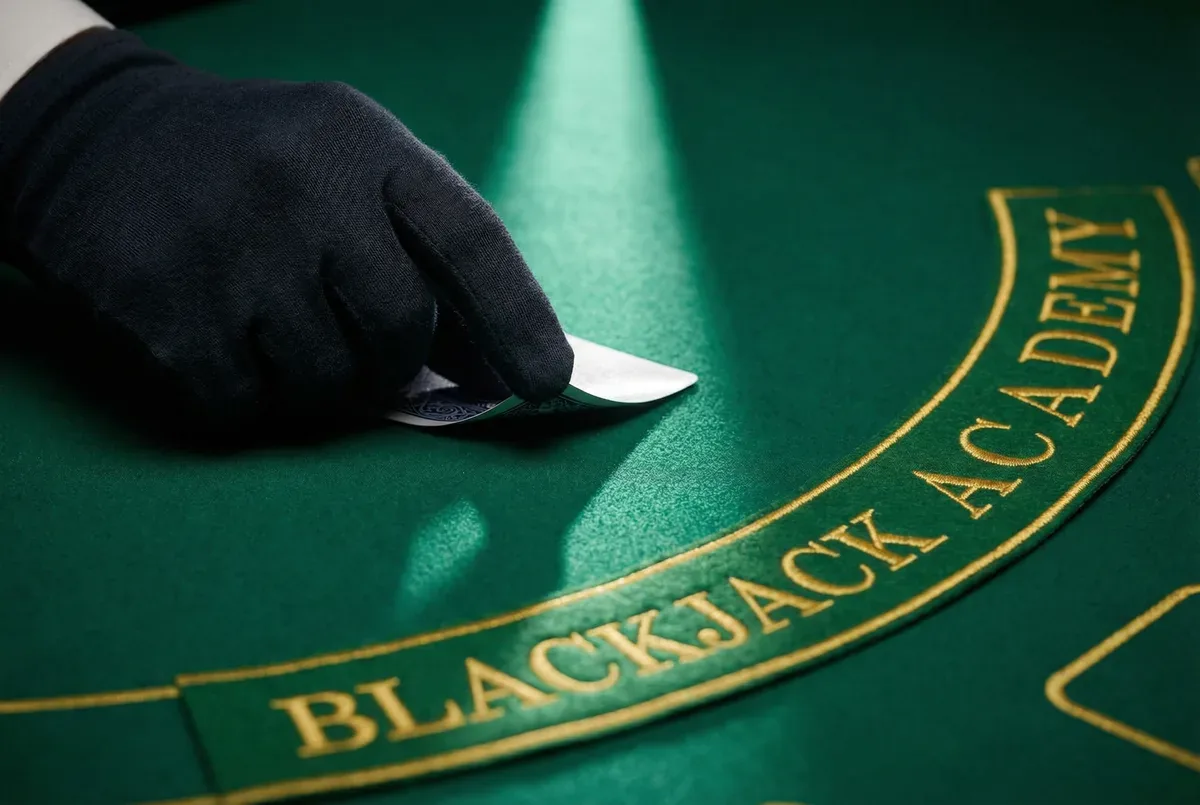
Powerful Hole-Carding Techniques That Go Beyond Card Counting
Hole-carding is the practice of glimpsing the dealer’s face-down card, the hole card, and through dealer error, sloppy mechanics, or a favorable table angle, and then using that information to play with a complete knowledge advantage. No device is used. No external assistance is employed. The player simply observes information that the dealer inadvertently makes visible through their own handling of the cards. Courts in multiple jurisdictions, most notably Nevada, have affirmed that hole-carding is legal because it does not involve any form of deception, cheating, or device it is observation of a physical situation the casino has failed to control. The player is not marking cards, not bribing the dealer, and not using any technology. They are watching.
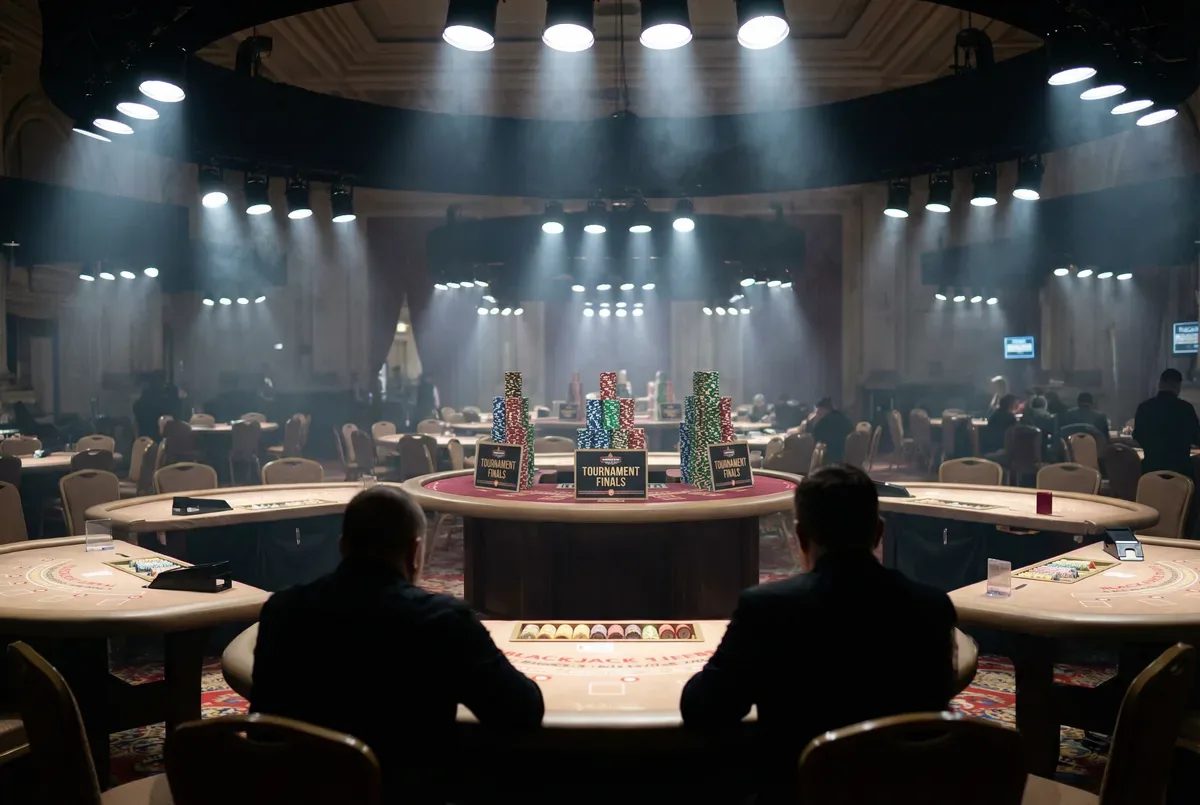
What Hole-Carding Is and Why It Is Legal
- Edge with full hole card knowledgeup to 13% player advantage
- Legalitylegal in Nevada, most US states, and most international jurisdictions
- Source of advantagedealer error in card handling not player deception
- Casino countermeasuredealer retraining, table layout changes, angle restrictions
- Card counting comparisonhole-carding edge can exceed counting edge by 5-10x
What Is the Mathematics of Hole Card Knowledge?
Perfect knowledge of the dealer’s hole card converts every blackjack hand into a near-optimal decision. The player knows the dealer’s full two-card total and adjusts their strategy accordingly. Against a dealer total that will bust (hard 12-16 with a low upcard), the player stands on everything. Against a dealer total of 17-21, the player hits to beat the dealer’s known total. The magnitude of edge this knowledge provides depends on frequency of exposure how often the player can see the hole card and accuracy of sighting. Simulation studies show that a player with perfect hole card knowledge at every hand holds approximately 13% advantage over the house. Even partial hole card information seeing the hole card on 25%-30% of hands generates a player edge of 3%-4%, dwarfing the typical 0.5%-1.5% counting edge. The reason hole-carding is so powerful is that it eliminates the fundamental uncertainty that all other blackjack decisions are based on: the dealer’s unknown card.
The strategy adjustments for hole card play are well-documented in the advantage play literature. The general principles: always hit to beat a known dealer total rather than following fixed blackjack basic strategy rules, always stand when the dealer’s known total will bust regardless of your own hand, and double or split whenever the dealer’s known weak total maximizes your return. A player holding 12 against a dealer upcard of 7 would normally hit under blackjack basic strategy (assuming possible dealer 10-7 = 17). If the hole card is a 2 (dealer total 9), the player knows the dealer must draw again and may still bust standing on 12 becomes correct. The strategic implications cascade through dozens of decision points, generating the massive edge advantage.
Common Myth
“Hole-carding is cheating because you're using information you weren't supposed to see”
The hole card is dealt face-down deliberately seeing it seems like gaining an unfair advantage
The Reality
Hole-carding is legal because the player uses no device, no deception, and no external assistance the dealer's error creates the opportunity through their own handling
Nevada Gaming Control Board and multiple courts have affirmed hole-carding as legal play it is the casino's operational responsibility to prevent flash
How Do You Find Exploitable Dealers: What to Look For?
The most common source of hole card exposure is the dealer’s peek motion the action dealers perform to check for blackjack when showing an ace or ten-value upcard. The peek requires the dealer to briefly tilt the card and glimpse its face. Dealers trained to pull the card toward them and peek from the back minimize exposure. Dealers who tilt the card forward toward players, or who hold the card too high during the peek, may flash the hole card to players seated directly at first or third base, or to a player using a proper angle from a seat further along the table. Other exposure sources include sloppy dealing mechanics lifting cards from the shoe in a way that exposes the face briefly and dealing in pitch games where the dealer turns cards face-down with a flicking motion that sometimes exposes the value to an alert observer at the right angle.
Identifying an exploitable dealer requires extended observation before sitting. Watch a full shoe or two from a standing position nearby. You are looking for any moment where the dealer's handling creates a viewing angle on the hole card from any seat. If you find it from the standing position, identify which seat maximizes the sighting angle and sit there only if it is naturally available.
How Casinos Prevent Hole-Carding?
Casino countermeasures for hole-carding operate at both the physical and procedural level. Physical changes include mirror-backed dealing shoes that allow dealers to see hole cards without lifting them (the dealer sees the reflection, the player sees nothing), angled viewing slots in the shoe that expose the card value only to the dealer’s line of sight, and automatic peekaboo devices that display only a yes/no blackjack signal to the dealer without requiring physical card manipulation. Procedural changes include retraining dealers to use specific peek motions that minimize exposure, placing felt table bumpers that restrict low-angle viewing from seated positions, and installing physical barriers between first base and the dealing area at some properties. Surveillance monitors for hole-carding by watching for players who suddenly bet maximum on hands where the dealer’s hole card was potentially visible the correlation between viewing opportunity and bet size is a known tell.
Hole-Carding in the Context of Full Advantage Play
Hole-carding, shuffle tracking, ace sequencing, and blackjack card counting represent a spectrum of legal advantage techniques. No live blackjack venue makes these opportunities easy to find or exploit safely the casino environment involves real financial stakes on every hand, real surveillance attention on every bet. If you apply any advantage technique in a live setting, approach it with a session bankroll you can afford to lose completely, and understand that any real-money session carries genuine financial risk regardless of theoretical edge. Before applying any advantage technique in a real casino, calibrate your decision speed at bring this count skill to a live session real money is on the line, so play only with funds you can afford to lose.
Frequently Asked Questions
Far less common than in the past. Casino training programs have improved significantly since the 1980s and 1990s, when hole-carding was documented extensively in advantage play literature. Major Las Vegas Strip properties use automatic peek devices at most tables. Exploitable dealers who consistently flash are typically identified and retrained within days by internal gaming protection staff. Exploitable opportunities still exist but require extensive table scouting to find.
Yes, significantly. A counter who can also read the hole card on a subset of hands has a combined edge that can reach 5%-7% even when hole card information is available only 20%-30% of the time. The count tells them when to make large bets; the hole card information tells them exactly how to play those large bets. The combination is rarely documented in public literature but is recognized as the strongest non-device advantage approach available.
Hole-carding is observing information the dealer unintentionally exposes the player does nothing to alter the cards. Card marking involves physically altering cards (bending, scratching, daubing) so that face-down values can be read from the back. Card marking is cheating and is illegal under gaming statutes in every US jurisdiction. The legal and ethical distinction is fundamental: hole-carding exploits dealer error, card marking creates artificial information through deception.
Before you test these plays at a real table, run them through our free blackjack simulator practice unlimited hands at zero cost until every move becomes automatic.
Mathematical Risk Warning
Even with hole card knowledge, blackjack sessions carry significant financial variance. Individual hands can always be lost regardless of information advantage. Never wager more than you can afford to lose in full, regardless of any theoretical edge.
Blackjack Academy is an educational resource. All strategy is based on mathematical expectation. Always play within your means.

Written by
Mark AnurakProfessional card counter since 2009 · 500,000+ hands logged · Former Macau advantage player. Studied under Thorp, Griffin & Wong methodology. Full bio →
Learn More
Continue your education with these related lessons.
The Full Spectrum from Solid Basic Strategy to Professional Card Counting
There is a complete skill spectrum between playing basic strategy and counting cards professionally. This guide maps every stage with…
Online Blackjack vs Live Casino Which Gives You the Better Counting Edge
Learning card counting has a four-stage progression and online live dealer blackjack is the ideal intermediate step before committing real…

Build a Proven Card Counting Training Routine That Delivers Real Results
A card counting training routine is not just flipping through a deck. It is a structured system of drills with…