
Hidden Costs of Playing Blackjack in a Physical Casino
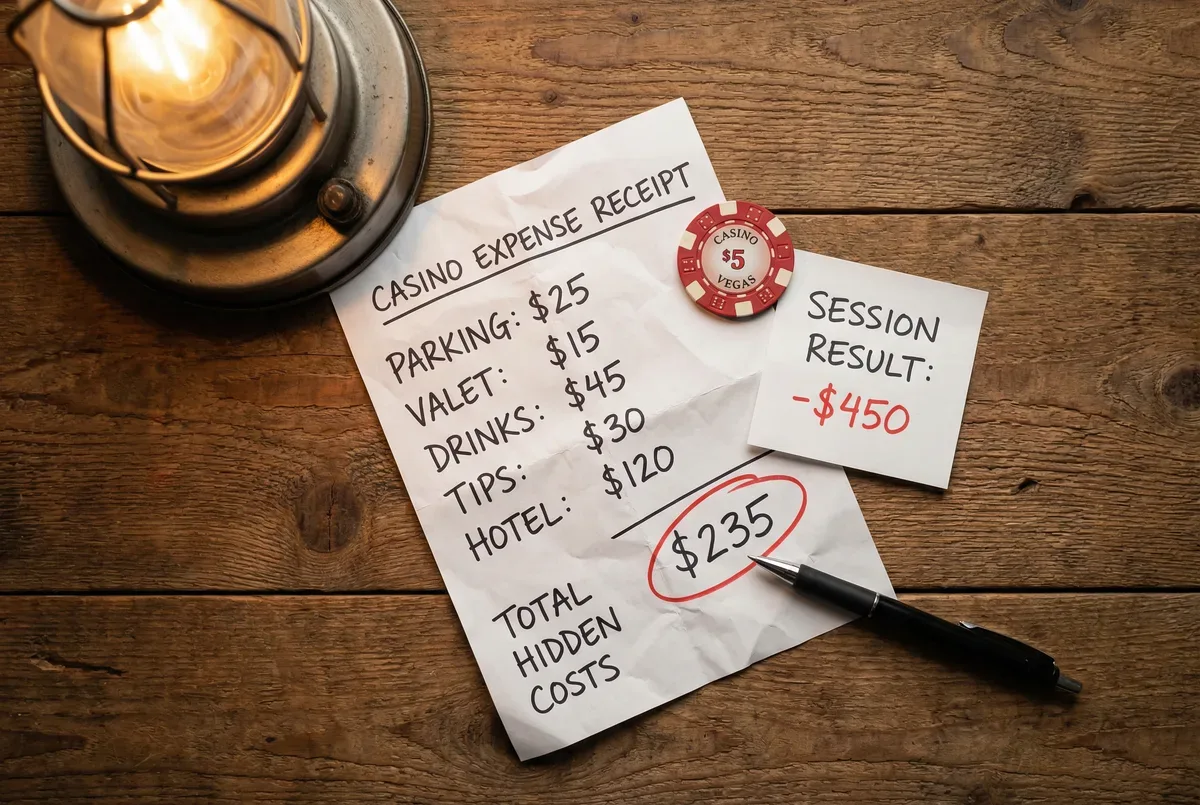
Every calculation of blackjack session cost that stops at expected loss from blackjack house edge is fundamentally incomplete. The true cost of a physical casino session includes travel, accommodation if the casino requires an overnight stay, food and beverages consumed on the casino floor, dealer and service gratuities, the time cost of commuting and playing, and the opportunity cost of capital deployed that could be earning interest or returns elsewhere. For a player who drives two hours to a casino, stays overnight, spends on dining, and plays four hours at a $20 table, the house-edge loss at 0.5% over 300 hands ($30) may represent the smallest line item in the total session budget. Accounting for the full cost changes the economic analysis of casino play materially and should inform both session frequency and bankroll allocation decisions.
The Total Cost Is Always More Than the Expected Loss
- Round-trip airfare or fuel$50–$400
- Hotel (2 nights)$100–$500
- Casino dining and drinks$50–$200
- Expected loss at table (300 hands, $20 bet, 0.5%)$30
- Dealer tips (standard protocol)$10–$40
- Total non-table costs$210–$1,140
How Do Alcohol and Drink Service Work as a Strategic Cost?
Casino complimentary drink service is a deliberate design element, not a customer benefit. Casinos offer free alcohol because impaired decision-making increases player error rates and as the analysis in adjacent posts makes clear, strategy errors inflate effective blackjack house edge by calculable amounts. A player who moves from zero strategy errors to two errors per 100 hands (achievable after two or three drinks) increases effective blackjack house edge by approximately 0.5–1%, doubling the mathematical cost of the session at no additional bet risk. The true cost of accepting a free drink includes not just the tip but the expected additional losses from compromised execution over the remainder of the session.
Players serious about minimizing total session cost avoid alcohol during play entirely, consume non-caffeinated non-alcoholic beverages that maintain hydration without disruption, and tip service staff appropriately without accepting drinks. This discipline is economically sound and also simplifies session management by removing one variable from the strategy-execution environment.
Common Myth
“Comps and free drinks make casino play better value”
Free benefits feel like offsetting the house edge with real value
The Reality
Comps are valued at 10–20% of expected loss the casino profits even when compensating you
Free drinks cost more in expected strategy errors than their market value in most sessions
How Do You Tipp Costs and Their Management?
Dealer tipping is a significant and often underestimated session cost. Standard tipping protocol in many jurisdictions suggests $1–$5 per hand when winning, or placing a tip bet with each dealt hand. A conservative $2 tip every five winning hands across a 200-hand session means 40 tips at $2 each $80 in gratuities in addition to all other session costs. Some players tip by betting for the dealer on doubled hands or blackjacks; this practice has the same dollar cost but delays the payment to winning outcomes, reducing the frequency of tip payments somewhat. Whatever the method, tip costs should be explicitly budgeted as a session line item rather than treated as an informal add-on that appears outside the gambling account.
Build tips into your session budget before you arrive. If you plan to play 200 hands at $20 and the table has good rules, your expected loss from house edge is $20. Your expected tip budget should be an additional $30–$60. Total expected session cost: $50–$80. Plan for that, not just the $20.
What Is the Online vs Physical Casino Total Cost Comparison?
Online live-dealer blackjack eliminates the majority of physical casino overhead: no travel, no accommodation, no dining premium, no tipping requirement (though some players tip online dealers through in-game mechanisms), and no ambient pressure to consume alcohol. The expected loss from the blackjack house edge remains, but total session cost may be 70–80% lower than an equivalent physical casino session. For recreational players with limited entertainment budgets, this cost differential is material. For advantage players with sufficient bankrolls to absorb physical casino overhead costs, the edge-extraction opportunities at physical casinos may justify the additional expense particularly where rules are more favorable than online equivalents.
The optimal allocation between physical and online play depends on comparing total cost per hand inclusive of all overheads against the expected EV benefit of each venue’s specific rule set. This is a calculable comparison that most players never make explicitly and making it even once dramatically clarifies the economics of where to direct session time.
Start Your Cost Analysis at a Zero-Overhead Session
The cleanest baseline for understanding your true blackjack economics is a session where all costs beyond the blackjack house edge are eliminated. At apply this camouflage with real money at stake this week, play a real-money session with the same bet sizing you would use at a physical casino no travel cost, no drinks, no tips beyond what you choose. Log the session result and calculate what the same session would have cost in total at your nearest casino. The gap between those two numbers is the overhead premium of physical casino play, and it should inform every decision about when physical play is worth its total cost.
Frequently Asked Questions
Accommodation and travel for non-local trips, dealer gratuities (typically $30–$80 for a standard session), and the EV cost of strategy errors induced by alcohol consumption. Together these can exceed the mathematical expected loss from the house edge itself.
Yes, but at their actual value rather than face value. Comps are typically valued at 10–20% of expected loss, meaning they offset a small fraction of session costs. Players should not extend sessions to earn more comps the additional expected loss always exceeds the comp value.
For most recreational players, yes. Online eliminates travel, accommodation, dining, and tip overhead costs while providing comparable or better rule sets at standard minimums. For advantage players, the comparison requires evaluating specific rule sets and EV at each venue.
Before you test these plays at a real table, run them through our free blackjack simulator practice unlimited hands at zero cost until every move becomes automatic.
Mathematical Risk Warning
Physical casino sessions carry costs beyond expected table losses. Always budget the full session cost travel, meals, tips, accommodation before committing to a casino visit. Total session economics must be evaluated, not just expected gambling loss.
Blackjack Academy is an educational resource. All strategy is based on mathematical expectation. Always play within your means.

Written by
Mark AnurakProfessional card counter since 2009 · 500,000+ hands logged · Former Macau advantage player. Studied under Thorp, Griffin & Wong methodology. Full bio →
Learn More
Continue your education with these related lessons.
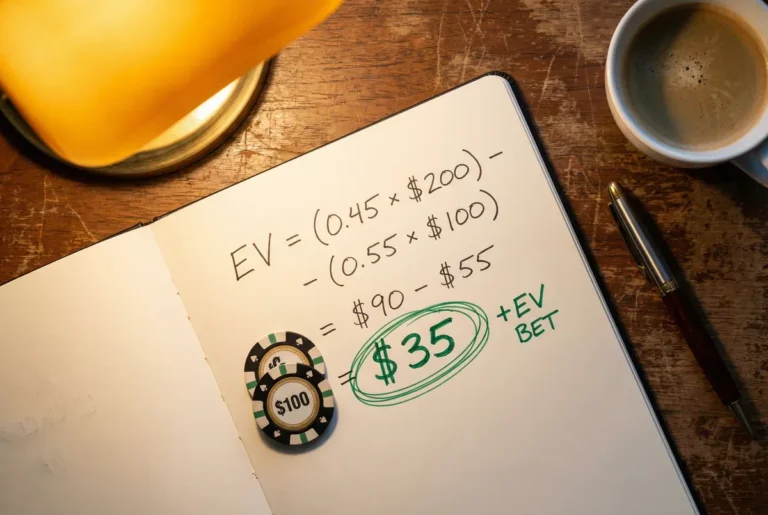
The Proven Rule of Only Betting When You Have Positive Expected Value
The discipline of only placing bets when mathematical expected value favors you is what separates professional play from recreational gambling.…
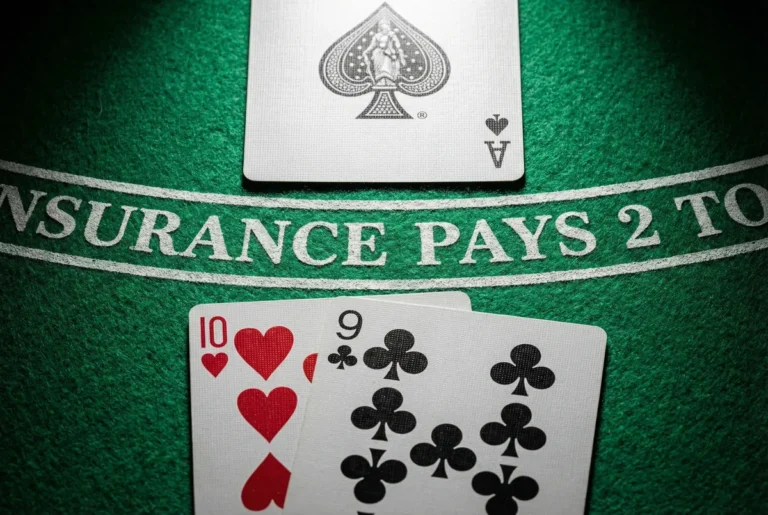
Why Insurance is a Sucker Bet with a Huge House Edge
Insurance in blackjack carries a house edge of 5.8% in a standard 6-deck game roughly 10 times the edge on…
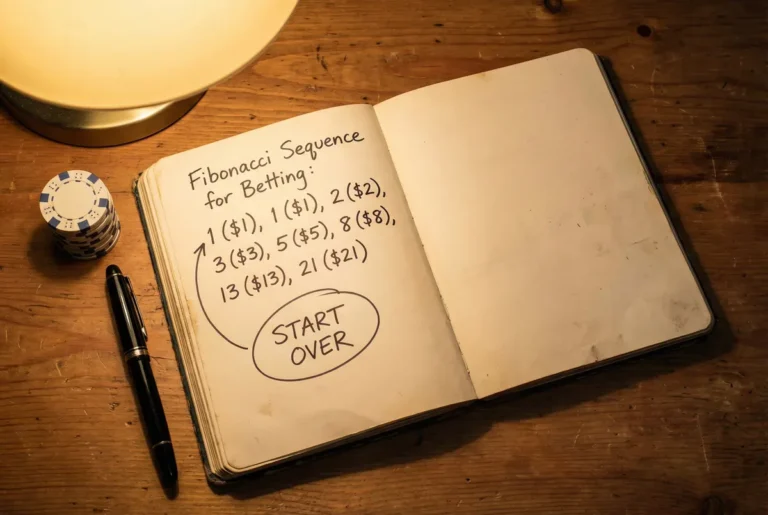
Why Your Minimum Bet Size Matters More Than Any Betting System
The 1% rule for bet sizing keeping each bet at 1% of session bankroll matters more than any system you…