
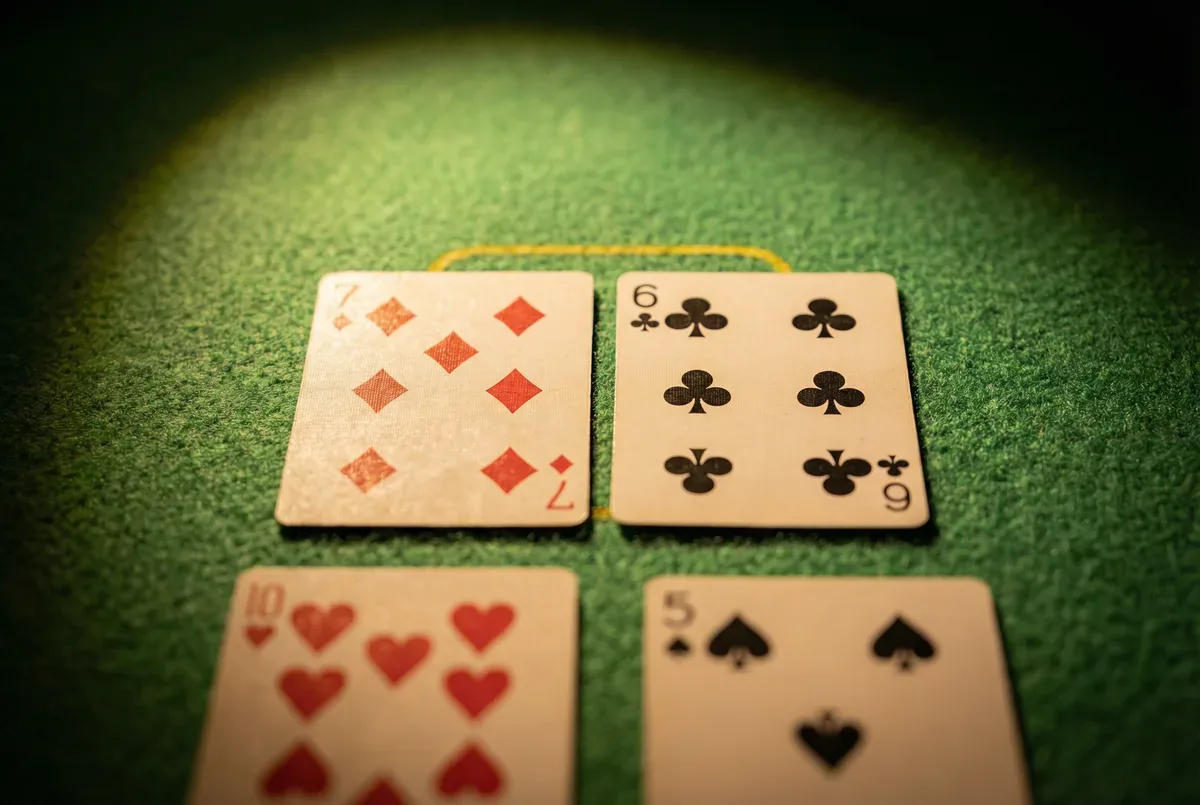
Correct Strategy for Playing Against Two Face Up Dealer Cards
- Seeing Both Dealer Cards Sounds Like an Advantage The House Compensation Makes It Complex
- How Complete Dealer Information Changes Every Strategy Decision?
- What Is the Specific Decision Reversals in Double Exposure Strategy?
- How Do Is Double Exposure Worth Playing for Serious Players?
- Building Decision Skills Across Different Game Formats
Double Exposure Blackjack the most common variant where both dealer cards are dealt face up appears to give players an enormous advantage. You can see exactly what the dealer holds, eliminate guesswork about the hole card, and make mathematically perfect decisions with complete information. In standard blackjack, the hidden dealer hole card creates uncertainty that blackjack basic strategy hedges against probabilistically. Remove that uncertainty and every decision becomes deterministic. This sounds like a player dream. The reality is that casinos designed Double Exposure with compensating rule changes that reclaim the information advantage and then some, resulting in a blackjack house edge of approximately 0.67% with optimal play higher than standard blackjack but not catastrophically different if the compensating rules are understood and played perfectly.
Seeing Both Dealer Cards Sounds Like an Advantage The House Compensation Makes It Complex
The key compensating rules in most Double Exposure configurations: ties (pushes) go to the dealer rather than the player, blackjack pays even money (1:1) rather than 3:2, and in some versions dealer wins all ties except natural blackjacks. These rules extract enormous value from the player. Dealer wins ties shifts approximately 8% of hands from player pushes to player losses a devastating swing. Even money on blackjack eliminates the 3:2 premium that creates significant long-run player value in standard games. Understanding exactly how much each compensation costs and adjusting strategy to minimize that cost is the entire skill set for Double Exposure play.
Advantages
- Both dealer cards visible complete information for strategy decisions
- Can avoid dealer blackjacks by surrendering or adjusting play
- Dealer bust strategy becomes exact rather than probabilistic
- No insurance decision needed you can see if dealer has blackjack
- Simplified decision tree for many hand combinations
Disadvantages
- Ties go to the dealer in most variants massive EV swing
- Blackjack pays even money, not 3:2 eliminates premium natural value
- Optimal strategy completely different from standard basic strategy
- Card counting significantly less effective information already visible
- Some variants have additional unfavorable rules beyond standard compensation
How Complete Dealer Information Changes Every Strategy Decision?
In standard blackjack, blackjack basic strategy is built on the premise that the dealer’s hole card could be any value with a probability distribution determined by deck composition. You stand on hard 16 against a dealer 10 because across all possible dealer hole cards the dealer completes a strong hand often enough that your 16 is a losing hand regardless of what you do, and hitting risks busting. In Double Exposure, you know exactly what the dealer has. If the dealer shows 10-6 (hard 16), the dealer must hit and has high bust probability. Your decision changes completely: standing on your own hard stiff hand against a dealer hard 16 may now be correct because you know the dealer is in trouble.
The strategy matrix for Double Exposure has significantly more standing decisions on stiff hands compared to standard blackjack. Knowing the dealer has a stiff total means you do not need to risk busting let the dealer take the bust risk. Conversely, when the dealer shows a strong two-card total like 20, the strategy collapses: hit everything aggressively because 20 is nearly unbeatable, and your best hope is hitting to 21 regardless of your current total.
Doubling and splitting decisions also transform. In standard blackjack, you double 11 against a dealer 6 because the dealer’s vulnerable position and your ten-completion probability combine positively. In Double Exposure, you double 11 when you can see that the dealer has a stiff hand e.g., dealer shows 5-3 for hard 8, which must hit and can easily bust. Against dealer two-card totals of 13-16, your doubles become extremely valuable because the dealer’s bust likelihood is known rather than estimated.
- Dealer wins all tiesapproximately +8% to house (massive)
- Even money on blackjackapproximately +1.39% to house
- Dealer wins tie blackjacks onlysomewhat less costly variant
- No insurance optionnot needed since you see both dealer cards
- Net house edge with optimal strategyapproximately 0.67%
What Is the Specific Decision Reversals in Double Exposure Strategy?
Several major strategy reversals occur in Double Exposure that would be errors in standard blackjack. First, always hit 16 or lower when the dealer shows a hard 17 or above you are already losing, and only hitting to 17+ gives any chance of a push (which still goes to the dealer in most variants) or a win. Second, stand on any hard 17 or better when the dealer shows a stiff total below yours you have the positional advantage and adding risk by hitting serves no purpose.
Pairs strategy changes significantly. Splitting pairs against a known dealer stiff total is highly aggressive in Double Exposure you are multiplying your bets against a dealer who is likely to bust. Splitting 8s against dealer 6-2 (hard 8) is much more clearly correct than splitting 8s against an unknown dealer hand. Splitting 10s almost never correct in standard blackjack can become correct in specific Double Exposure situations where the dealer holds a hand that will likely bust regardless of how your 10s complete.
Dealer Shows
Your Hand
Double Exposure Blackjack. Dealer shows 7-5 (hard 12). You have hard 16. What is correct?
This is the defining strategic difference in Double Exposure: known dealer stiff totals justify standing on your own stiff hands in ways that standard strategy never does. The complete information transforms your standing threshold significantly.
How Do Is Double Exposure Worth Playing for Serious Players?
For card counters, Double Exposure presents a fundamental problem: the information that counting provides is largely redundant when you can already see both dealer cards. The running count still affects your double-down and split decisions, and the deck composition still influences your win probability on any given hand. But the primary use of counting adjusting bet size based on player advantage is less powerful in a game where the information environment is already so favorable to the player. The remaining counting edge is narrower than in standard blackjack.
For recreational players, Double Exposure offers a genuinely different experience the certainty of seeing both dealer cards changes the feel of every decision, making the game feel more like chess and less like probability management. The blackjack house edge of 0.67% with optimal play is higher than well-configured standard blackjack, but it is accessible to players who study the specific Double Exposure strategy matrix rather than applying standard blackjack basic strategy and wondering why the results feel wrong.
Building Decision Skills Across Different Game Formats
The best blackjack players can adjust their strategy to whatever game format they encounter standard, Free Bet, Double Exposure, or any regional variant. Building that adaptability requires deliberate practice across different rule sets, testing your decision accuracy in realistic environments before committing to real-money play. The live dealer tables at bring this to a live dealer with real stakes tonight provide standard format practice against realistic conditions, and the habits of reading blackjack table rules carefully and adjusting strategy to specific game configurations are skills that pay dividends in every format though always with the understanding that any real-money live gambling carries genuine financial risk.
Frequently Asked Questions
No. Standard basic strategy is calibrated for games where the dealer's hole card is hidden. Applying it to Double Exposure will produce systematic errors most significantly, you will stand on hands where you should hit (because you do not know the dealer has a stiff total) and miss optimal doubles against known dealer vulnerabilities. Double Exposure requires its own specific strategy chart.
In standard blackjack, approximately 8% of hands result in a push the player and dealer tie. In those hands, you receive your bet back. When the dealer wins all ties, those 8% of hands become losses instead of pushes. Converting 8% of your bets from 0 outcome (push) to -1 outcome (loss) is an enormous shift in expected value it is the primary mechanism by which Double Exposure's information advantage is reclaimed by the house.
Yes. Some versions only have the dealer win ties on blackjacks, not on all hands. This significantly improves player conditions. Other variants maintain 3:2 natural blackjack payouts while keeping both cards face up, and use different push rules. The specific rule set at any Double Exposure table must be read carefully variations in the push rule alone can shift the house edge by several percentage points.
Before you test these plays at a real table, run them through our free blackjack simulator practice unlimited hands at zero cost until every move becomes automatic.
Double Exposure Requires Double Preparation
Seeing both dealer cards does not simplify your strategy it replaces one strategy with a completely different one. Study the specific rule set before you play any blackjack variant.
House edges cited are based on optimal strategy for standard Double Exposure configurations. Individual results will vary. All blackjack variants carry financial risk. Please gamble responsibly.

Written by
Mark AnurakProfessional card counter since 2009 · 500,000+ hands logged · Former Macau advantage player. Studied under Thorp, Griffin & Wong methodology. Full bio →
Learn More
Continue your education with these related lessons.
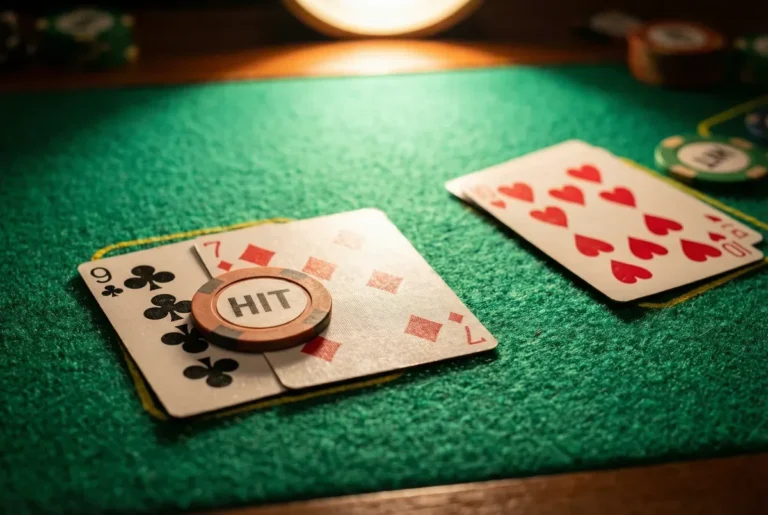
Why You Must Hit 16 Against a 10 Every Single Time
Hard 16 against a dealer 10 is the most emotionally difficult decision in blackjack and the one players get wrong…
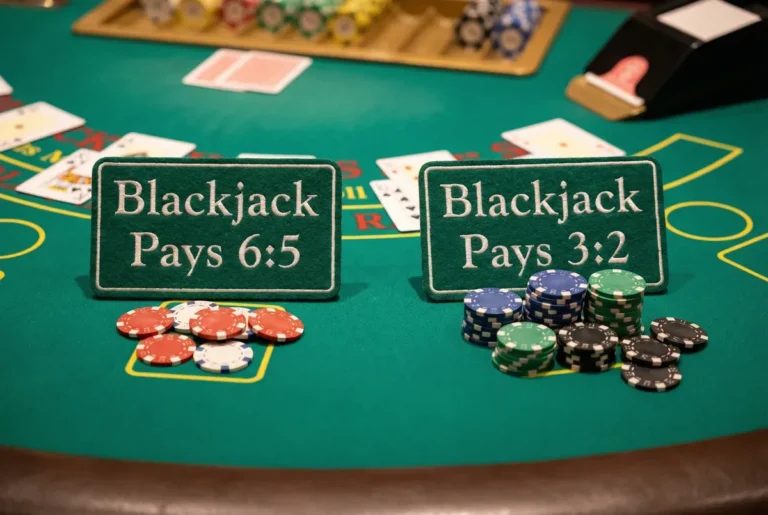
Avoiding 6 to 5 Games and Demanding 3 to 2 Payouts
The 6:5 blackjack payout adds 1.39% to the house edge in a single rule change. It is the single most…
Surviving the Brutal Mental Grind of a Long Blackjack Losing Streak
Losing streaks in blackjack are mathematically inevitable. The difference between players who survive them and players who go broke is…