

Why Relying on Intuition Drains Your Blackjack Bankroll
Intuition at a blackjack table is not a sixth sense it is a collection of cognitive shortcuts that evolved for a world without probability tables. The human brain is superb at pattern recognition in social environments and terrible at evaluating randomized multi-deck card distributions in real time. When players trust their gut over blackjack basic strategy, they are not drawing on hidden wisdom. They are running a mental program that was never designed for this task, and the blackjack house edge absorbs the difference between what that program outputs and what the math demands.
Intuition Is Not a Blackjack Strategy It’s a Liability
Every time you override basic strategy with a feeling, you are donating money to the casino with a signed note explaining that you had a hunch. The math has been computed across billions of simulated hands. Your feeling has been computed across a few hundred live ones.
Why Does the Cognitive Trap That Make Gut Plays Feel Smart?
Confirmation bias is the engine driving most intuitive blackjack decisions. Players who hit a hard 16 against a dealer 7 and draw a 5 to make 21 remember that hand with crystal clarity. They do not catalog the eleven other times that same play produced a bust or a mediocre total. The brain records wins from gut plays and files losses as bad luck. Over hundreds of sessions this selective memory builds a false model of which plays work one that consistently diverges from the mathematically optimal model.
Gambler’s fallacy compounds the damage. Players become convinced that a deck is running hot or cold, that the dealer is due for a bust, or that a particular seat position is attracting bad cards. None of these beliefs correspond to mathematical reality in a freshly shuffled shoe. Each hand in a standard game is an independent statistical event. The deck has no memory, no agenda, and no awareness of the player’s recent streak.
Anchoring on prior outcomes is a third trap. After losing three hands in a row, many players raise their bets to recover not because the count or conditions favor it, but because three losses feel like a signal that a win is overdue. This is the Martingale impulse dressed up as intuition. It does not change the odds on the next hand. It only increases the amount wagered into the same unfavorable conditions.
Common Myth
“Experienced players develop a feel for when to deviate from strategy”
Long-time players notice when deviations happened to work and attribute it to experience
The Reality
No amount of playing experience improves on mathematically derived basic strategy for non-counters
Experienced intuitive players still carry 2–4% house edge vs. 0.5% for strategy players
What the Math Actually Says About Intuitive Deviations?
Peter Griffin’s foundational work in The Theory of Blackjack quantified the cost of common strategy deviations by computing exact expected values for every hand combination. The result is unambiguous: there is no intuitive play that consistently outperforms the mathematically derived optimal play across a large sample. Individual sessions may produce wins from suboptimal decisions, but the expected value is always negative compared to the strategy baseline.
The specific numbers matter. Standing on hard 16 against a dealer 7 instead of hitting costs approximately 4.2 cents per dollar wagered in expected value. Refusing to double 10 against a dealer 9 costs roughly 1.3 cents per dollar. These seem small but compound rapidly across a session. A player making five intuition-driven deviations per hour at $25 per hand is surrendering between $15 and $40 in expected value every single hour they sit at the table.
EV loss from standing hard 16 vs 7
cents per $1
EV loss from skipping double on 10 vs 9
cents per $1
Sessions needed to see true expectation
hands
How Do You Build Discipline Over Instinct?
Overriding intuition is not a matter of willpower alone it requires replacing the unreliable mental shortcut with an equally fast but accurate one. That is what memorized blackjack basic strategy provides. When the correct play is automatic, there is no gap for intuition to fill. The player who has drilled strategy until it is reflexive does not feel the urge to deviate because the right answer arrives before the gut has a chance to weigh in. Drilling 500 hands in a practice environment is worth more than 50 sessions of live play guided by feeling.
Test Your Discipline in a Pressure Environment
The real test of whether you have replaced intuition with strategy is how you perform under mild pressure a dealer staring at you, other players at the table offering opinions, a run of bad cards suggesting the deck is against you. The run this system with real table stakes this week environment at Blackjack Academy recreates exactly that pressure without putting real money on the line. Use it to identify which gut-play urges still surface, then drill those specific spots until the math wins automatically.
Frequently Asked Questions
Intuition is useful for social reads spotting when a casino employee is watching closely, sensing table atmosphere, or noticing when a game has changed rules. For hand decisions, it is unreliable and should be replaced by memorized strategy.
Confirmation bias filters memory so that winning intuitive plays are remembered vividly while losing ones fade. This creates a false mental record that intuition works, even when the actual win rate from gut plays is below the strategy baseline.
Most players achieve near-automatic basic strategy recall after 300–500 focused practice hands. The key is deliberate repetition across all decision spots, especially the uncomfortable ones like splitting 8s against a 10.
Before you test these plays at a real table, run them through our free blackjack simulator practice unlimited hands at zero cost until every move becomes automatic.
Intuition Has a Price Tag
Every gut-driven deviation from optimal play carries a measurable expected-value cost. Replace feeling with precision practice basic strategy until it is faster than instinct.
Blackjack involves real financial risk. No strategy eliminates the house edge or guarantees a profit.

Written by
Mark AnurakProfessional card counter since 2009 · 500,000+ hands logged · Former Macau advantage player. Studied under Thorp, Griffin & Wong methodology. Full bio →
Learn More
Continue your education with these related lessons.
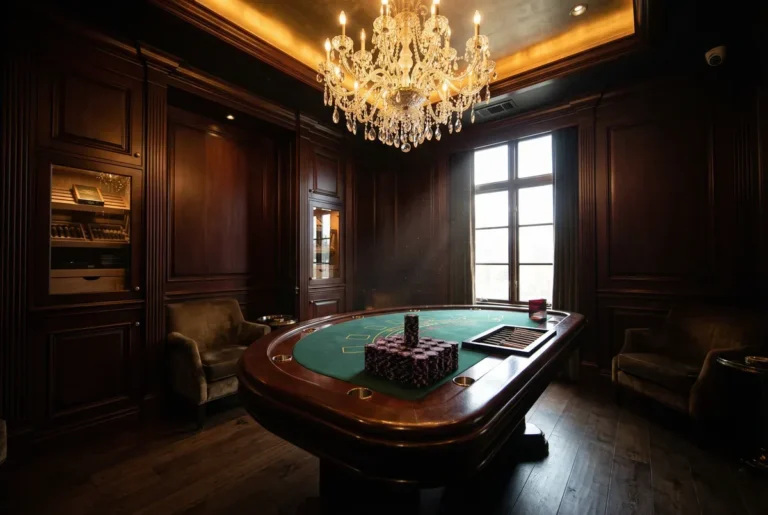
How Don Johnson Won 15 Million Without Counting Cards
Don Johnson won $15 million from three Atlantic City casinos in 2011 without counting a single card. His method negotiating…
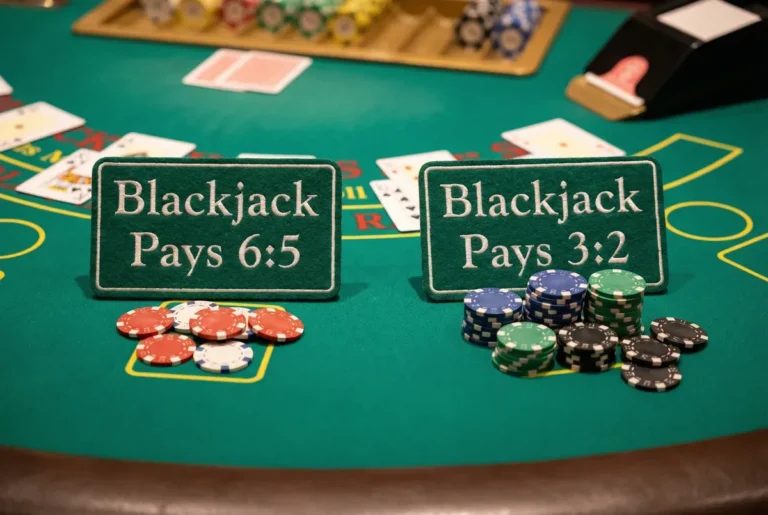
Avoiding 6 to 5 Games and Demanding 3 to 2 Payouts
The 6:5 blackjack payout adds 1.39% to the house edge in a single rule change. It is the single most…
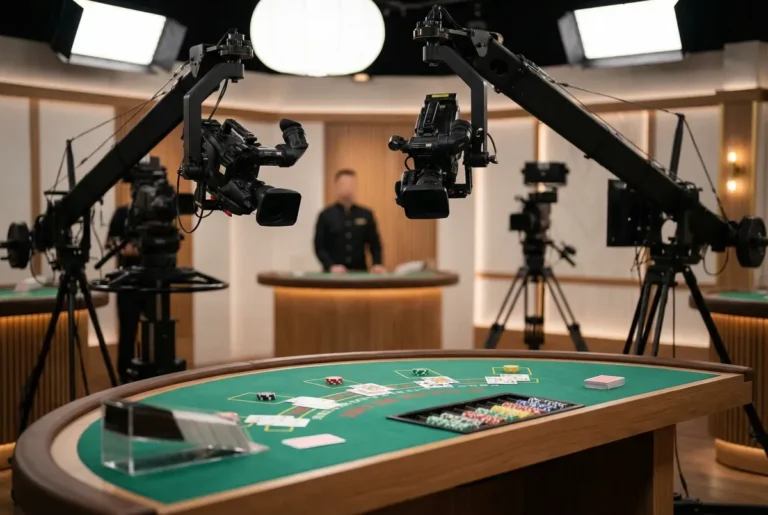
Evolution Gaming vs Pragmatic Play Which Live Blackjack Rules Are Better
Evolution Gaming and Pragmatic Play dominate live dealer blackjack, but their rules differ in ways that directly affect your house…