
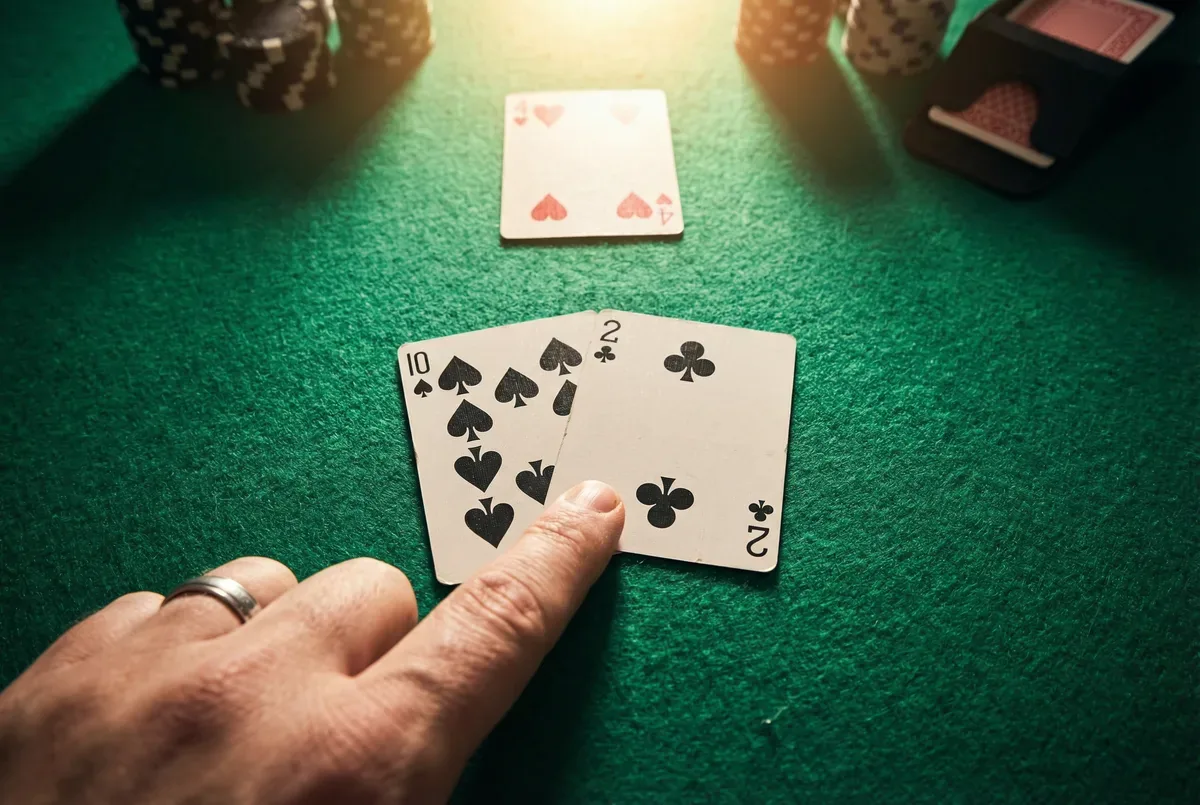
Composition Exceptions for Hitting 12 Against a Dealer 4
- The Hidden Exception That Makes Hard 12 vs. Dealer 4 More Complicated Than It Looks
- What Is the Math Behind Composition-Dependent Strategy?
- When Composition Exceptions Apply and When They Don't?
- What This Tells You About the Depth of Blackjack Strategy?
- Drill the Exception Before You Play Single-Deck for Real Money
Basic strategy for a standard six-deck shoe says stand on hard 12 against a dealer 4. That is correct as a general rule. But there is a well-documented composition-dependent exception: when your hard 12 is composed specifically of a 10 and a 2, the correct play in a single-deck game flips to hit. This is not a casual hunch it is a mathematically provable adjustment based on the removal of specific cards from a small deck. Understanding it separates players who have memorized strategy from those who truly understand it.
The Hidden Exception That Makes Hard 12 vs. Dealer 4 More Complicated Than It Looks
- 6-deck shoe, any 12 compositionSTAND
- 2-deck game, 10-2 compositionSTAND (borderline)
- Single-deck, 10-2 compositionHIT
- Single-deck, 9-3 or 7-5 compositionSTAND
- Single-deck, 8-4 compositionSTAND
What Is the Math Behind Composition-Dependent Strategy?
In a single-deck game, every card removed from the shoe meaningfully shifts the remaining deck composition. When your hard 12 is a 10 plus a 2, two high cards have already been removed from play the ten-valued card and the 2. This removal changes the probability distribution of what cards remain. With fewer tens in the remaining deck, the chance of busting on a hit is slightly lower than usual. At the same time, with a dealer 4 upcard, the probability that the dealer completes their hand is already elevated compared to a 5 or 6. In single-deck, the reduced bust probability on a hit makes hitting 10-2 against a dealer 4 marginally better than standing.
The effect only applies to the 10-2 composition because tens are the most common card value in the deck sixteen cards out of 52 are ten-valued in a single deck. Removing one ten reduces the density enough to matter. A 9-3 hard 12 removes a 9 and a 3, which has a different and less significant effect on the remaining distribution. An 8-4 removes an 8 and a 4 again, different impact. Only the 10-2 composition triggers the exception, and only in single-deck games.
Julian Braun and Peter Griffin both documented this distinction in their foundational works on blackjack mathematics. Griffin’s The Theory of Blackjack provides the exact expected value calculations showing the split between compositions at the single-deck level. The margin is small fractions of a percent but in a game where every fraction matters, it is worth knowing. Professional players who specialize in single-deck games apply this exception automatically.
Dealer Shows
Your Hand
Single-deck game: you hold 10-2 (hard 12) against a dealer 4. What is the correct play?
In a six-deck shoe, always stand on hard 12 vs. dealer 4 regardless of composition. In single-deck, only the 10-2 specific composition justifies a hit.
When Composition Exceptions Apply and When They Don’t?
Composition-dependent strategy exceptions are meaningful only in games with a small number of decks. In a six-deck shoe, the effect of removing two specific cards on the overall deck distribution is negligible the shoe is too large for individual card removals to move the probability needles significantly. Standard blackjack basic strategy for six and eight decks remains the correct tool in those games, and no composition exception overrides it.
In single-deck and double-deck games, a handful of composition exceptions exist beyond the 10-2 case. Hard 16 composed of three or more cards against a dealer 10 is one example the additional low cards removed from play reduce the deck’s ten density enough to make standing slightly more favorable than it would be for a standard two-card 16. Card counters apply these exceptions routinely. Non-counters who play single-deck games can learn the three or four most valuable ones and gain a small but real edge from them.
Advantages
- Genuinely improves EV in single-deck games
- Demonstrates deep strategy understanding
- Applicable without full card counting
- Only 3–4 key exceptions to memorize
Disadvantages
- Irrelevant in six-deck and eight-deck shoes
- Tiny margin fractions of a percent
- Easy to misapply in wrong game format
- Requires knowing exact card composition
What This Tells You About the Depth of Blackjack Strategy?
Composition exceptions are a window into how deep the rabbit hole of blackjack strategy goes. Basic strategy is the floor the minimum standard every serious player should reach. Composition-dependent strategy is the next layer, meaningful primarily in single-deck play. Card counting is the layer above that. Each layer captures more of the available mathematical edge. Knowing that a 10-2 vs. dealer 4 in a single-deck game is a hit is not just a trivia fact it is evidence that the game has been analyzed to extraordinary depth by mathematicians who cared about every fraction of a percent.
Drill the Exception Before You Play Single-Deck for Real Money
Single-deck blackjack games move fast and the decisions come quickly. Ingraining composition exceptions takes deliberate practice you cannot reason through them at speed during live play. Use the apply this pro technique at a live table in your next session simulator to practice single-deck scenarios specifically before committing real money at a single-deck table where every small edge or error is amplified.
Frequently Asked Questions
No. In a six-deck shoe the composition of your hand does not meaningfully alter the remaining deck distribution. Standard basic strategy (stand on 12 vs. dealer 4) applies in all multi-deck games.
The most documented ones involve hard 16 with three or more cards vs. a dealer 10 (lean toward standing), and various soft-hand combinations in single-deck games. Griffin's Theory of Blackjack lists them in detail.
Only if you regularly play single-deck games. For six-deck shoe players, the time is better spent perfecting standard basic strategy and learning basic card counting principles.
Before you test these plays at a real table, run them through our free blackjack simulator practice unlimited hands at zero cost until every move becomes automatic.
Strategy Depth Has Real Value
Composition-dependent exceptions can save money in single-deck games. Know which game format you're playing before applying them.
Blackjack involves real financial risk. Strategy exceptions only apply in specific game formats and do not eliminate the house edge.

Written by
Mark AnurakProfessional card counter since 2009 · 500,000+ hands logged · Former Macau advantage player. Studied under Thorp, Griffin & Wong methodology. Full bio →
Learn More
Continue your education with these related lessons.
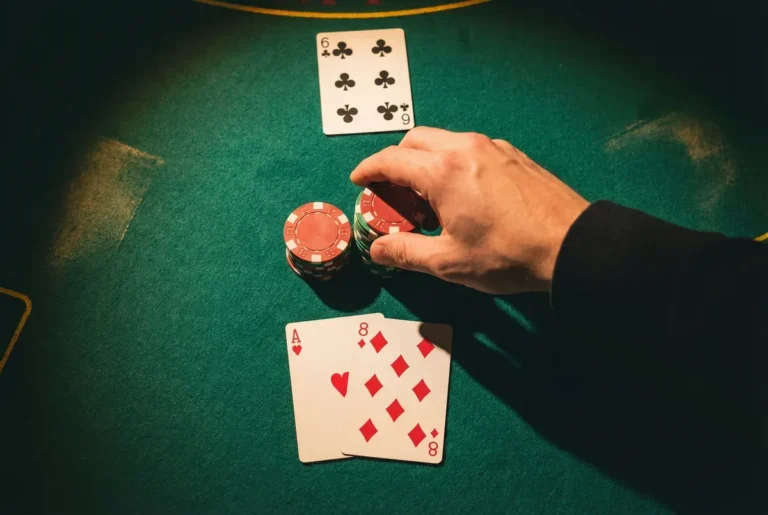
Aggressive Pro Play Doubling Soft 19 Against a 6
Doubling soft 19 against a dealer 6 feels reckless but carries positive expected value in hit-soft-17 games. This is one…
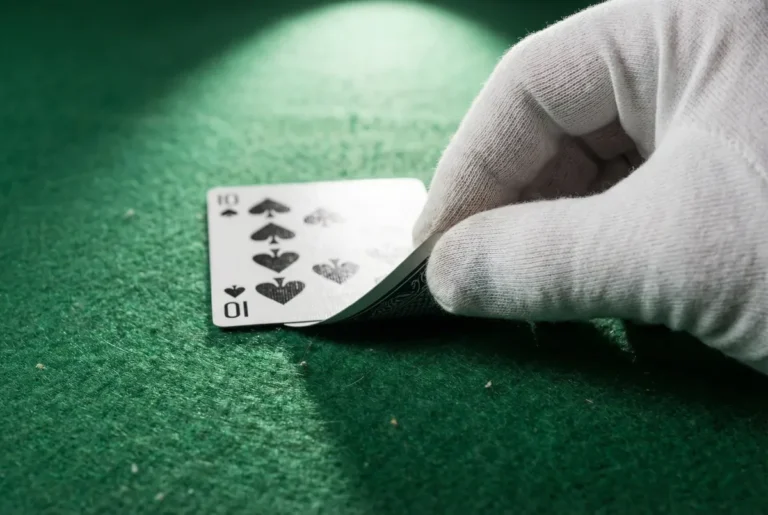
The Real Truth About Dealer Tells and How Smart Players Read Hole Cards
Dealer tells: which are genuine mechanical vulnerabilities vs myth, why reliable tell-based play is rare, and how casinos counter hole-card…

Proven Modern Blackjack Strategies for Today’s Tougher Casino Reality
Today's casino floor is fundamentally different from the blackjack landscape of the 1990s. Continuous shuffle machines, 6-deck shoes, and sophisticated…