
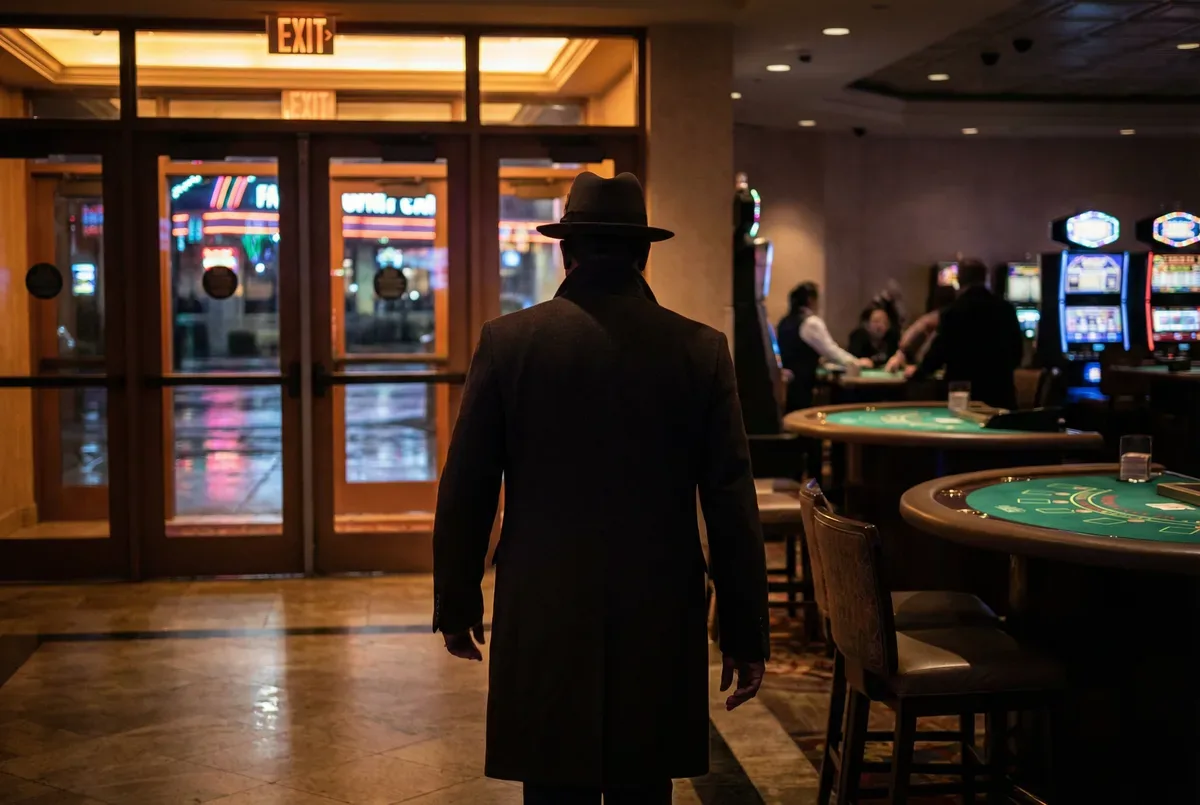
How to Maximize Value From Every Casino Visit as a Counter
A productive casino visit as an advantage player begins before you reach the floor with a specific plan for which tables to target, how long to play at each, and at what point a visit becomes more costly in heat exposure than it returns in expected value. The difference between a planned visit and an improvised one is the difference between a structured professional session and a recreational trip with counting attached to it.
Pre-Visit Planning: How to Structure a Visit Before You Walk In
Pre-visit intelligence means knowing which games at your target property meet your minimum conditions: 6-deck with 75% or better penetration, stand-on-soft-17 rules, a table minimum that supports your bet spread without drawing unnecessary attention at maximum bets, and no continuous shuffle machine. This information should be verified in advance either from current game reports shared within AP networks, your own previous visits, or a brief scouting pass before committing a session. Arriving at a property to discover that all qualifying tables have been replaced with 6:5 games eliminates the entire visit before it starts.
Session length planning requires deciding in advance how many hours you are willing to play across the entire visit, how many tables you intend to work, and what your personal exit triggers are both for leaving a specific table and for ending the visit entirely. These decisions are substantially harder to make under the pressure of an active session, particularly after a losing run creates an emotional pull toward extending play to recover. Making them in advance and committing to them treats the visit as a structured work block rather than an open-ended commitment.
- 1. Confirm qualifying tables exist (penetration 75%+, S17, no CSM)
- 2. Set total visit length limit before entering (2 hours is the standard target)
- 3. Plan which tables to rotate through and in what order
- 4. Establish max session length per table (45–60 min per table maximum)
- 5. Identify exit triggersheat signal, supervisor attention, or count stuck negative for 20+ minutes
- 6. Set bet spread limit appropriate to current AP bankroll (not session mood)
- 7. Plan color-up timing cash out chips before leaving any table, not at the cage mid-visit
- 8. Post-visitlog session results, any heat events, and table conditions for future visits
How Do You Work Multiple Tables: The Rotation Strategy?
Table rotation is the practice of distributing your playing time across two or more tables in a single visit rather than spending the entire visit at one game. The strategic rationale is twofold: it limits the exposure per table to a level below the threshold that typically triggers floor attention, and it allows you to move to a different game when a shoe runs extended negative without feeling pressure to stay and wait for a reversal that may not come within your remaining session time.
The rotation sequence matters. Most experienced APs begin with a brief observation pass walking the pit to confirm table conditions, dealer speed, and supervisor positioning before sitting down. This is not paranoia; it is reconnaissance that takes five minutes and prevents you from committing to a session at a table that has changed conditions since your last visit. Starting at your highest-priority table, playing until either the session time limit or a heat trigger, and then moving cleanly to the second table without lingering at the first is the standard pattern.
Color-up timing is a tactical detail of rotation that many counters handle badly. Cashing out a large stack of chips at the table you just left, then immediately sitting down with cash at the next table, creates a visible pattern that can draw floor attention across tables. The preferred practice is to color up to a smaller number of higher-denomination chips, carry them to the next table, and buy in with a combination of cash and chips that suggests a continuation of the same session rather than a deliberate table transition.
Optimal session length per table
minutes before heat risk rises meaningfully
EV per hour at TC +2 and above
depending on spread and minimum
Heat detection risk vs time (1 hr)
% normal for any player
What Is Optimal Session Length?
Session length optimization is one of the most frequently neglected variables in AP casino visits. The natural tendency is to continue playing as long as the conditions are good and the count has positive expectation, but this ignores two compounding costs: heat accumulation over time at the same table, and cognitive fatigue that degrades count accuracy in ways that are difficult to self-detect in real time.
Floor staff attention to a specific player is roughly proportional to the time that player has been at a given table with a visible bet spread. A player who has been at a table for 20 minutes with a 1-to-8 spread is unremarkable. The same player at the same table two hours later with the same spread pattern has provided enough data points for an experienced floor supervisor to identify the spread correlation with shoe depth and flag the player for closer surveillance or intervention. The expected value of the additional play does not offset the heat cost of the extended presence.
Cognitive fatigue produces count errors that are invisible from the outside but eliminate the statistical edge entirely. After approximately 90 minutes of live counting at full concentration maintaining the count, executing blackjack basic strategy correctly, managing cover behavior, and tracking floor supervisor positioning most practitioners experience measurable accuracy degradation. The session continues to feel manageable because fatigue impairs self-assessment as readily as it impairs count accuracy. Scheduling breaks and hard session end times in advance is the only reliable defense against this effect.
The 2-table rule is non-negotiable: never play more than two distinct sessions at the same table in a single casino visit. One session at a given table is invisible you are just another player. Two sessions with a gap between them is borderline a sharp floor supervisor may notice the return. Three sessions at the same table in one visit creates an unmistakable pattern that any surveillance analyst trained in counter behavior will flag immediately. The economics of squeezing a third session at a favorable table are never better than the cost of losing that table permanently to a barred or shuffled-up response.
How Do You Finish the Visit Right: Color-Up, Comps, and Logging?
Ending a casino visit correctly matters as much as structuring its beginning. Cashing out efficiently coloring up at the table, walking the chips to the cage in one pass, and leaving the property without an extended presence in the pit area reduces the post-session data that surveillance can associate with your play pattern. Players who linger, return to watch games, or make multiple trips through the same pit after ending a session provide additional observational data at no corresponding EV benefit.
Comp tracking is a secondary consideration for most APs, but it deserves a structured approach. Playing above the table minimum occasionally not specifically at high-count moments creates a comp-rated average bet that is higher than your true average without obviously tracking the count. The comp value itself rarely exceeds a few percentage points of the actual dollars wagered, but across multiple visits it accumulates into meaningful ancillary value. The risk is that a high rated average bet increases the scrutiny of your actual results relative to expected player loss, which is itself a counter-detection signal at some properties.
Tracking your visits across a regional casino circuit logging conditions, dealer patterns, floor staff rotations, and any heat events is the operational intelligence that makes every subsequent visit more efficient. This is not optional record-keeping; it is the data infrastructure that tells you which venues are viable, which require rest periods, and which have become too heat-compromised for production sessions.
Sharpening Your Edge Between Casino Visits
Count accuracy degrades without regular practice at dealing speed. Between brick-and-mortar visits, maintaining the precision that your AP sessions depend on requires deliberate reps in environments that replicate the pace and pressure of live play not casual home drills where you control the tempo. The gap between a slow home count and live casino speed is where most execution errors originate, and that gap closes only with consistent exposure to genuine dealing pace.
Before your next visit, test your count accuracy and session discipline in a calibrated environment: the live dealer tables at apply the count with real money down immediately run from a physical shoe at genuine casino speed and offer a sharpening environment between brick-and-mortar visits though every hand there involves real money, and the same financial discipline you apply in a casino applies equally online. Budget these sessions as a training cost, track your count accuracy against session results, and enter your next physical casino visit with verified execution quality rather than assumed readiness.
Frequently Asked Questions
Forty-five to sixty minutes is the standard recommendation for most AP practitioners. Beyond 60 minutes at the same table, the heat accumulation risk rises measurably while the per-minute EV contribution remains roughly constant. The optimal total visit length across multiple tables is typically two to three hours before fatigue-driven accuracy degradation offsets the expected value from continued play.
Rate your play at slightly above the table minimum by occasionally placing larger bets on low-count hands, which creates a rated average bet that is higher than your true spread average without tracking the count directly. Avoid requesting comp evaluations immediately after large win sessions, which correlates rated play with positive count results. Treat comps as incidental value, not a primary goal optimizing for comps changes your betting pattern in ways that compromise the counting structure.
Record: session duration per table, net result, true count frequency observations if available, any heat events or floor supervisor interactions, dealer shuffle patterns at your target tables, and any rule changes since your last visit. This visit log becomes your most valuable asset for deciding where to allocate future sessions. Casinos that show repeated heat events at modest play levels should be removed from active rotation regardless of the quality of the game conditions.
Before you test these plays at a real table, run them through our free blackjack simulator practice unlimited hands at zero cost until every move becomes automatic.
Mathematical Risk Warning
Casino visit optimization improves the structure of your AP sessions but does not guarantee profitable outcomes. Card counting produces a statistical edge over large sample sizes individual visits and multi-visit stretches will produce losses. Mana
Blackjack Academy is an educational resource. All strategy is based on mathematical expectation. Always play within your means.

Written by
Mark AnurakProfessional card counter since 2009 · 500,000+ hands logged · Former Macau advantage player. Studied under Thorp, Griffin & Wong methodology. Full bio →
Learn More
Continue your education with these related lessons.
The Powerful Big Player Technique for Spreading Bets Without Heat
The Big Player technique lets card counters spread bets dramatically without triggering casino heat by entering tables only at positive…
Why Counting Side Bets in Blackjack Is Almost Never Worth the Effort
Some blackjack side bets are vulnerable to card counting. Learn which side bets are countable, the exact count thresholds for…
How to Build Your Card Counting Bankroll From Scratch
Starting a card counting bankroll requires capital you build before sitting at a table not profits from underfunded sessions. Learn…