
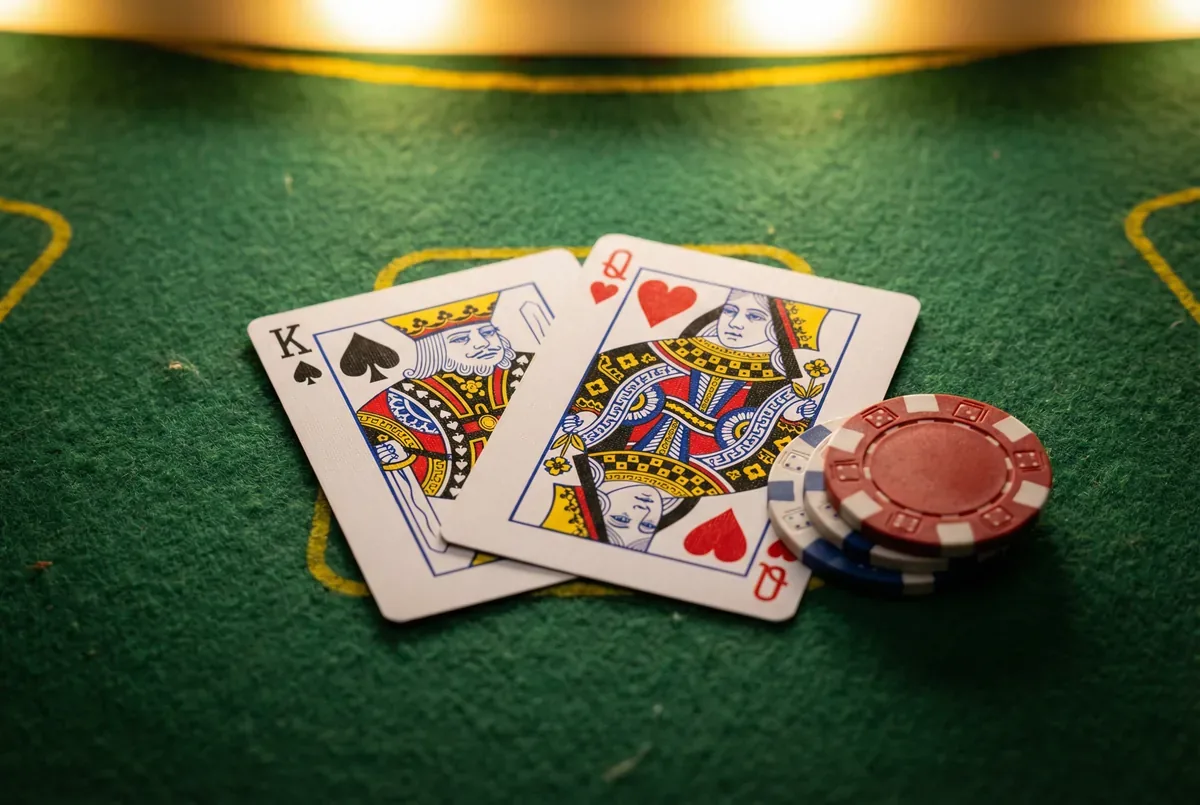
Why You Should Never Hit a 20 in Any Blackjack Game
- Why Hard 20 Is the Strongest Non-Natural Hand in Blackjack
- What Is the Expected Value of Standing on Hard 20 Against Every Upcard?
- Why Players Sometimes Question Standing on Hard 20?
- What Is the Never-Hit-20 Rule Apply to Soft 20 (Ace-9) as Well?
- How to Make Hard 20 Decisions Without Hesitation in Live Play
There is one instruction in blackjack basic strategy that requires no dealer upcard check, no rule variation lookup, and no situational judgment: never hit a hard 20. Standing on hard 20 wins approximately 77 percent of the time and produces positive expected value against every single dealer upcard in every deck configuration. There is no count, no rule set, and no statistical argument that makes hitting a hard 20 correct. Players who find themselves wondering whether to hit a 20 when the dealer shows a 10 are not analyzing a close decision. They are applying anxiety to the second-best hand in the game.
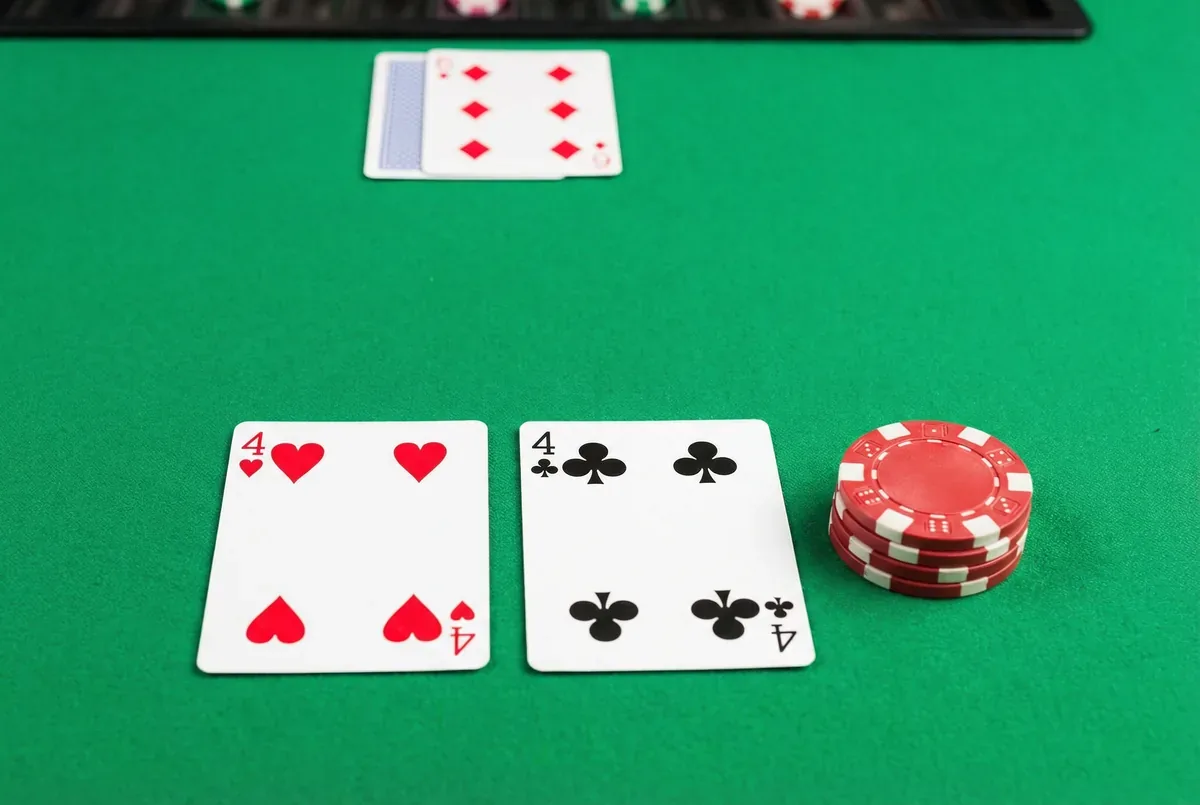
Win Rate for Hard 20 Standing
Against all dealer upcards averaged across all completions the highest win rate of any non-natural hand in blackjack
Why Hard 20 Is the Strongest Non-Natural Hand in Blackjack
Hard 20 is any two-card or multi-card total of 20 that does not include an Ace counting as 11. The only hands that beat it are a hard 21 and a natural blackjack. Hard 20 beats every dealer final total of 19 or below, pushes against dealer 20, and only loses to dealer 21. Because ten-value cards make up 30.8 percent of the deck, two-card hard 20 two ten-value cards is one of the most frequent premium outcomes on the deal. The hand requires no strategy beyond standing.
The win rate of approximately 77 percent averaged across all dealer upcards means hard 20 wins more than three in four hands where you hold it. Against weak dealer upcards 2 through 6 win rate rises above 80 percent because dealer bust probability adds additional winning outcomes. Against dealer 10, win rate falls to approximately 54 percent, but standing on 20 still produces positive EV above +0.50 per dollar. No other non-natural hand achieves positive EV against every dealer upcard at this level.
What Is the Expected Value of Standing on Hard 20 Against Every Upcard?
Standing on hard 20 produces positive EV across the full range of dealer upcards. Against dealer 2 through 6, EV ranges from approximately +0.64 to +0.72 per dollar among the highest expected returns in the game. Against dealer 7, 8, and 9, EV remains above +0.55. Against dealer 10, EV is approximately +0.54. Against dealer Ace, approximately +0.51. The floor of +0.51 against the dealer’s strongest card makes hard 20 uniquely profitable: even against a dealer Ace with a 30.8 percent blackjack probability, standing on 20 produces better than 50 cents per dollar in expected profit.
The comparison to hitting is not a close call. Hitting hard 20 busts 92.3 percent of the time on the first card drawn twelve of thirteen card values bust a 20. Only an Ace avoids a bust by converting to 21. The EV of hitting hard 20 is deeply negative in every configuration. The strategy comparison is academic: standing on 20 is the only play that exists.
Dealer Shows
Your Hand
Dealer shows 10. You have hard 20 (King, 10). A player says the dealer might have 20 too. What do you do?
Stand on hard 20 against every dealer upcard without exception. The dealer holds 20 approximately 38% of the time when showing a 10 a push, not a loss. The remaining 62% of dealer completions include totals below 20 and busts that hard 20 wins. The EV of standing on 20 vs dealer 10 is approximately +0.54 per dollar. There is no correct hitting scenario for hard 20.
Why Players Sometimes Question Standing on Hard 20?
The most common hesitation occurs when the dealer shows a 10-value card. Players reason that the dealer might hold 20, and a push produces no winnings. This logic misidentifies the situation. A push on a 20 is a zero-loss outcome it does not hurt. And the dealer holds exactly 20 only about 38 percent of the time when showing a 10. The other 62 percent of dealer completions include totals below 20 and bust outcomes, many of which hard 20 wins. The push fear is applied to one scenario inside a distribution that strongly favors the player.
Against a dealer Ace, the hesitation comes from blackjack probability: the dealer holds 10 in the hole about 30.8 percent of the time, giving a natural that wins over the player’s 20. This is a real outcome and is already priced into the +0.51 EV figure. The math accounts for every dealer completion including blackjack, weighted by frequency. When you see +0.51 EV, you are seeing the net result after all scenarios including dealer blackjack are included. The hand is still profitable.
Hard 20 is the one hand where the chart and your gut agree completely and still some players second-guess it against a strong dealer upcard. Standing on 20 produces positive EV against every upcard in every deck count under every rule variation. There is no situation, no count reading, and no gut feeling that changes this. When you have 20, your job is to stand and watch. Nothing else is required.
What Is the Never-Hit-20 Rule Apply to Soft 20 (Ace-9) as Well?
Ace-9, or soft 20, follows the same rule: stand against all dealer upcards in all configurations. Soft 20 is the strongest soft hand and wins at a comparable rate to hard 20 across the full dealer upcard distribution. There is no soft-double scenario that justifies deviating from standing on Ace-9. Single-deck and multi-deck charts, with and without DAS, under H17 and S17 dealer rules soft 20 stands everywhere.
The theoretical distinction between hard 20 and soft 20 is that hitting soft 20 does not bust on the first card the Ace can revert to 1. But the hand is so strong at 20 that the probability-weighted upside of drawing to 21 does not offset the frequency of landing on a weaker total from 12 through 19. Soft 20 achieves maximum expected value standing. No deviation is justified.
How to Make Hard 20 Decisions Without Hesitation in Live Play
The discipline to stand on 20 is already built in it matches your instinct perfectly. Open a live session and make a conscious note each time hard 20 appears stand immediately, watch the dealer complete, and let the EV confirm itself in real time. Your session budget is set before you click in, and 20 is the hand where your only job is to do nothing and let the math finish.
Frequently Asked Questions
No. Standing on hard 20 wins approximately 77% of the time and produces positive EV against every dealer upcard as high as +0.72 vs dealer 6 and as low as +0.51 vs dealer Ace. Hitting hard 20 busts 92.3% of the time on the first drawn card. The EV of hitting is deeply negative in every configuration. Stand is the only correct play.
Against dealer 10, players fear a push if the dealer also holds 20. But the dealer holds exactly 20 only about 38% of the time when showing a 10. The remaining 62% of completions include totals below 20 and busts that hard 20 wins. The push concern is applied to one scenario inside a distribution that produces approximately +0.54 EV for the player. Standing is correct.
Yes. Soft 20 (Ace-9) stands against all dealer upcards in all standard configurations single deck, multi-deck, DAS, no-DAS, H17, S17. Soft 20 is the strongest soft hand. No soft-double or hit scenario produces better EV than standing on Ace-9. The rule is identical to hard 20: stand always.
Before you test these plays at a real table, run them through our free blackjack simulator practice unlimited hands at zero cost until every move becomes automatic.
Confirm Hard 20 EV Against Every Dealer Upcard
The calculator shows exact expected value for standing on 20 versus any dealer upcard and deck count. No surprises just numbers.
Blackjack Academy is an educational resource. All strategy is based on mathematical expectation. Always play within your means.

Written by
Mark AnurakProfessional card counter since 2009 · 500,000+ hands logged · Former Macau advantage player. Studied under Thorp, Griffin & Wong methodology. Full bio →
Learn More
Continue your education with these related lessons.
Why Basic Strategy Is Not Intuitive
The three counter-intuitive moves that beginners resist hitting 12 vs dealer 3, doubling A-8 vs 6, splitting 8s vs 10…
Why You Should Only Play at Stand on Soft 17 Tables
Stand on Soft 17 (S17) tables give you a 0.22% lower house edge than Hit on Soft 17 (H17) tables.…
How Rule Liberalization Lowers the Casino’s Mathematical Edge
Every blackjack rule the casino adds or removes has a precise mathematical cost. Learn which rule liberalizations give the most…