
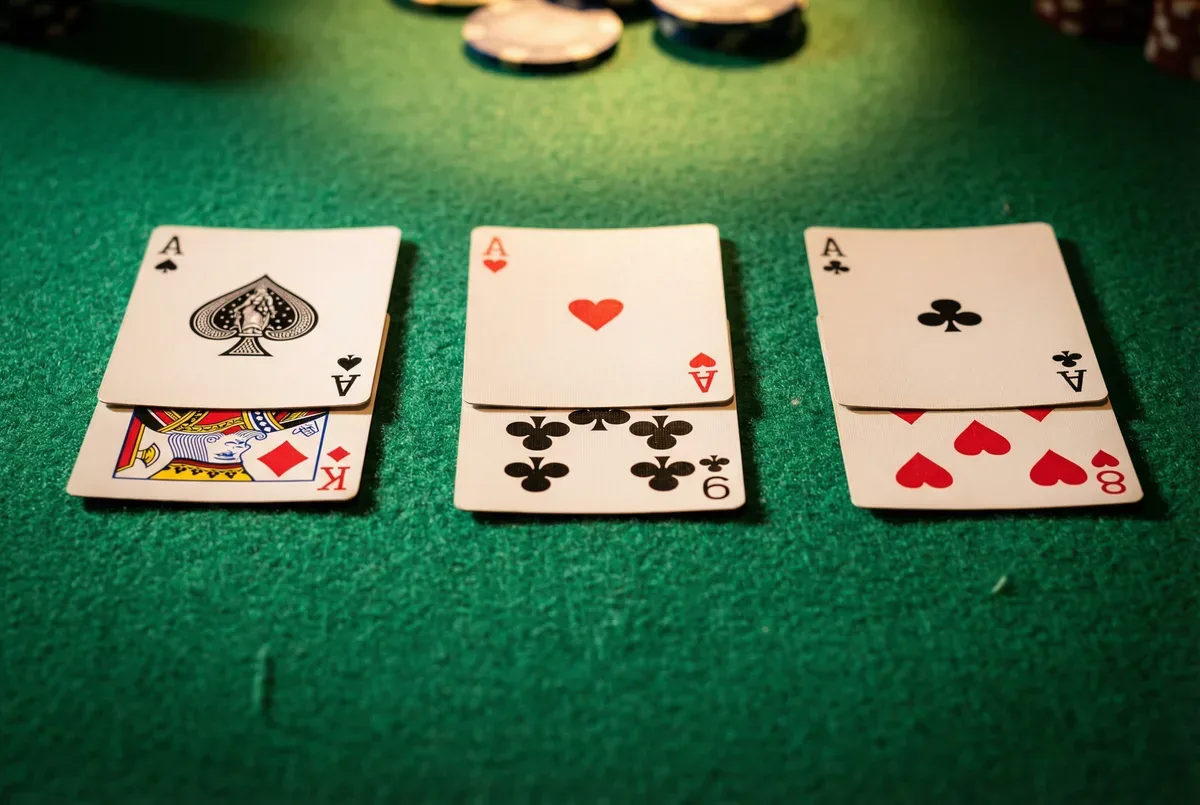
Complete Soft Totals Strategy Reference for Every Soft Hand and Upcard
A soft total is any hand containing an ace counted as 11. The defining property of a soft hand is that it cannot bust on a single draw if you receive a card that would take you over 21, the ace simply reverts to 1. This structural safety net changes the decision calculus completely. You can afford to be aggressive with doubles and hits that would be reckless on a hard hand. Soft total strategy is one of the most underexploited areas of blackjack basic strategy among recreational players: many people stand on soft 18 in every situation, missing profitable doubles, or never double soft hands at all. This reference covers A-2 through A-9 against every dealer upcard 2 through Ace, with the logic behind each cell.
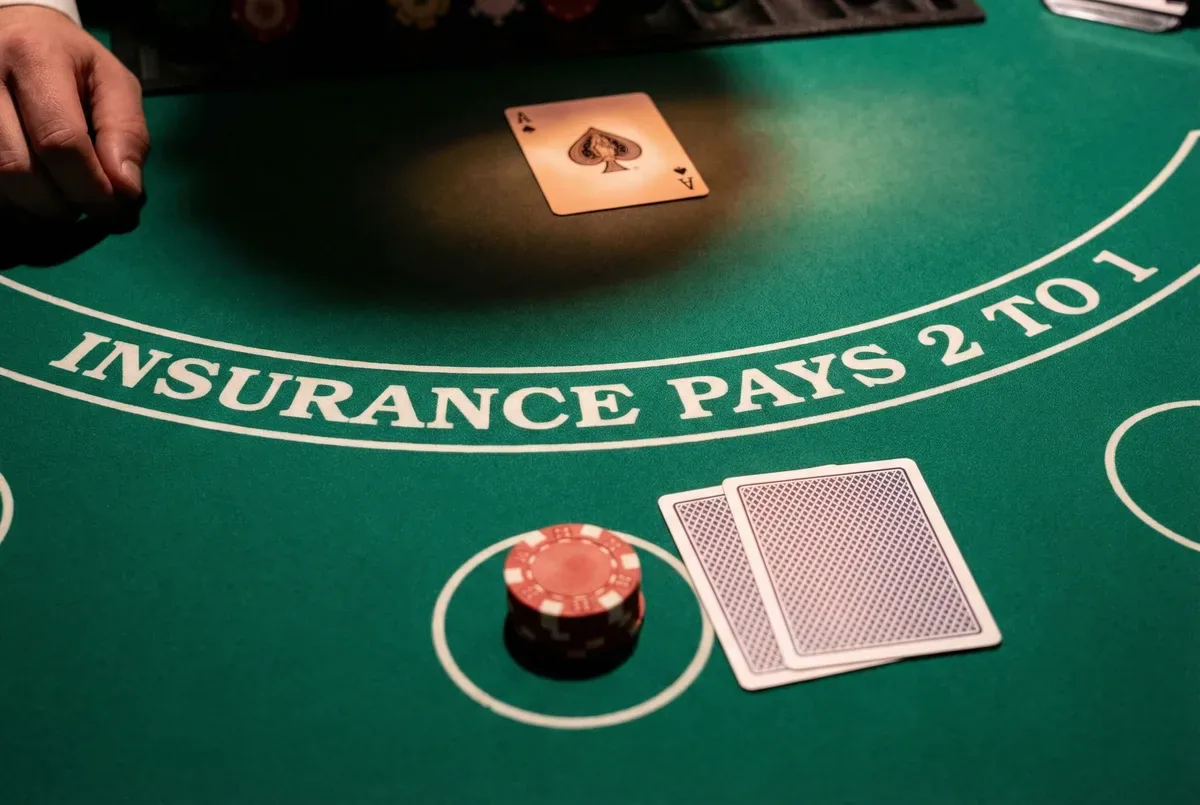
Soft Hands Give You Two Chances Use Both
- A-2 through A-5Double vs dealer 4-6 only too weak for wider doubles
- A-6Double vs dealer 3-6 the strongest small soft double
- A-7Double vs 3-6, Stand vs 2/7/8, Hit vs 9/10/A three different outcomes
- A-8 and A-9Stand almost always you already have 19 or 20
- Soft 17 or lessNever stand always at least hit if not doubling
What Is a-2 Through A-6?
Soft hands A-2 through A-5 follow a consistent pattern: double when the dealer shows 4, 5, or 6 the three weakest upcards where bust probability is highest. Against all other upcards, hit. Your soft total is too low to have realistic standing value, and doubling only makes mathematical sense when the dealer’s bust probability is working strongly in your favor. Against dealer 2 or 3, the house is not weak enough to justify the extra bet. Against 7 through Ace, the dealer is too strong and you’re better served by taking a free card and aiming to improve.
Soft A-6 (total of 7 or 17) extends the doubling range slightly: double against dealer 3, 4, 5, and 6. Against dealer 2, the bust probability just clears the threshold in some rule sets but most charts show hit. Against 7 through Ace, you must hit standing on soft 17 is one of the most expensive mistakes in blackjack. The dealer is required to hit hard 17 or soft 17 (in S17 vs H17 rule sets), which should remind you: a soft 17 is not a completed hand. Always act on it.
Common Myth
“Soft 18 is a strong hand always stand”
Players see 18 and assume it beats most dealer hands. Standing feels safe.
The Reality
Soft 18 must be hit against dealer 9, 10, and Ace and doubled against 3-6
Standing on soft 18 vs dealer 9 costs approximately 9 cents per dollar compared to hitting. Against dealer 6, not doubling costs roughly 11 cents per dollar.
What Is Soft A-7?
Soft A-7 (soft 18) is the most nuanced soft hand because it requires three different plays depending on the dealer upcard: double against dealer 3, 4, 5, 6; stand against dealer 2, 7, 8; hit against dealer 9, 10, Ace. Most players stand in all situations and forfeit significant value. Against dealer 3 through 6, you have a profitable doubling spot your soft 18 is likely to become 19 or better, while the dealer frequently busts. Against dealer 7 and 8, standing on 18 is correct because you’re already ahead of the most likely dealer outcomes. Against dealer 9, 10, and Ace, the dealer is favored to complete a strong hand you need to improve, and the ace safety net means you can hit without fear of immediate bust.
Dealer Shows
Your Hand
Soft 18 (A-7) vs dealer 9. What is the correct play?
Dealer 9 produces a final total of 19 roughly 35% of the time and busts only 23% of the time. Your soft 18 loses to dealer 19 in a stand scenario. Hitting gives you a chance to reach 19, 20, or 21 and the ace safety net means the worst realistic outcome is a hard 18, not a bust.
How Do You Stand Territory?
Soft A-8 (soft 19) and A-9 (soft 20) are almost always stand decisions. A soft 19 is already a strong made hand that wins the majority of resolved hands. The one deviation that appears in aggressive strategy, doubling soft 19 against dealer 6, and is a rule-set-specific play that offers fractional EV gain and is not present in standard blackjack basic blackjack strategy charts. Stick with standing on A-8 in all standard conditions. Soft A-9 (20) is essentially always a stand: you have the second-strongest non-blackjack total and no doubling play improves on simply winning with what you have. The only scenario where standing on soft 20 seems wrong is psychological, not mathematical.
Put Soft Hand Theory to Work at a Live Table
Soft hand strategy is one of those areas where reading about it and executing it under pressure are very different skills. The hesitation that costs you money on soft 18 vs dealer 9 disappears only with repetition. If you want to get those reps in against real conditions, lock in this soft play with real stakes puts you at a live dealer table but since actual money is at stake, only step in when you can recite this chart cold without checking it.
Frequently Asked Questions
Soft A-6 doubles because the dealer is in maximum bust territory (42.3% bust rate) and you're not risking your bet on a forced stand you're paying for a second card that most likely improves your hand to 17-21 while the dealer frequently destroys themselves. The ace safety net means you can't land below soft 17 on a double draw.
No. Soft 17 should never be stood on by a player it is too weak. Depending on the dealer upcard you will either double (vs 3-6) or hit (vs all others). The rule 'dealer must hit soft 17' exists precisely because soft 17 is not a complete hand.
Minimally. The core soft total rules are nearly identical across 1-deck, 2-deck, and 6-deck games. The main variation is that single-deck games sometimes support additional soft doubles (like soft 19 vs 6) that are not optimal in multi-deck play. In 6-deck games, the chart above is correct without modification.
Before you test these plays at a real table, run them through our free blackjack simulator practice unlimited hands at zero cost until every move becomes automatic.
Mathematical Risk Warning
Soft total strategy maximizes expected value over large samples. Individual sessions will deviate significantly from theoretical expectations due to variance.
Blackjack Academy is an educational resource. All strategy is based on mathematical expectation. Always play within your means.

Written by
Mark AnurakProfessional card counter since 2009 · 500,000+ hands logged · Former Macau advantage player. Studied under Thorp, Griffin & Wong methodology. Full bio →
Learn More
Continue your education with these related lessons.
How Much the No Double After Split Rule Costs You
Playing without Double After Split costs 0.14% of your expected edge but the real damage comes from not adjusting your…
Why the 6 to 5 Payout is the Biggest Trap in Modern Casinos
A 6:5 payout on a natural blackjack adds 1.39% to the house edge turning a beatable game into one of…
Best Basic Strategy to Reduce the House Edge Under 1 Percent
Basic strategy is a mathematically derived set of correct decisions for every possible blackjack hand. Applied consistently, it cuts the…