
When to Use the Surrender Rule to Save Half Your Bet
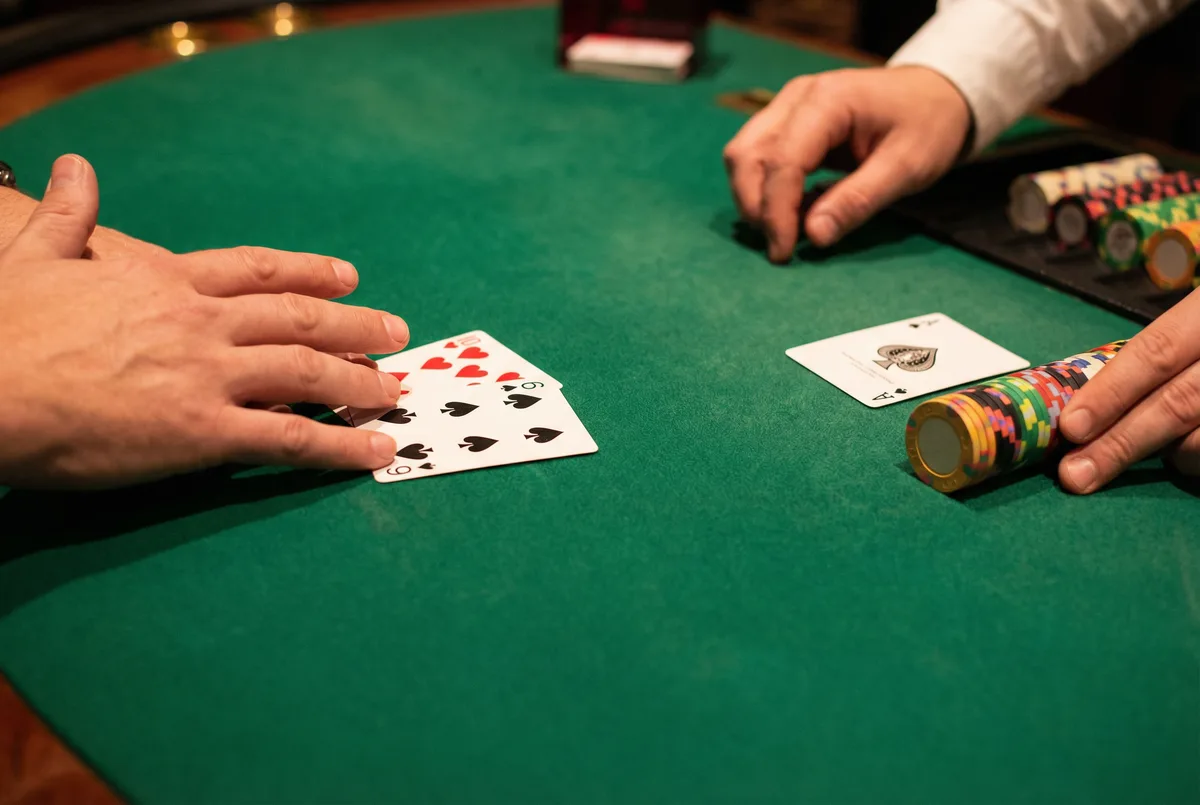
Hard 16 against a dealer 10 is the worst starting position in blackjack. Hit and you bust more than 60% of the time. Stand and the dealer beats you most hands. There is a third option that most players overlook: surrender, take back half your bet, and move on.

Late surrender is available at many casinos, rarely announced, and almost never used. That gap between availability and use costs recreational players real money every session. This guide shows exactly when the math demands it.
What Late Surrender Actually Means
Late surrender is a rule that lets you fold your hand after the dealer checks for blackjack. You forfeit half your bet and sit out the rest of the hand. It is called “late” because you act after the dealer peeks, meaning the option disappears if the dealer has a natural.
Early surrender, by contrast, lets you fold before the dealer checks. It is far more powerful but nearly extinct in modern casinos. When you see surrender advertised on a casino floor, assume it is late surrender unless the rules card says otherwise.
To surrender at a live table, scrape two fingers horizontally behind your bet. Some dealers require a verbal declaration. The dealer will remove half your chips and return the rest. No further action is needed.
- Hard 16 vs dealer 9SURRENDER
- Hard 16 vs dealer 10SURRENDER
- Hard 16 vs dealer AceSURRENDER
- Hard 15 vs dealer 10SURRENDER
- Hard 17 vs dealer Ace (early surrender only)SURRENDER
- All other handsFollow standard basic strategy
Why the Math Favor Surrender?
Surrendering costs you exactly 0.50 units per hand. Whether you hit or stand on hard 16 against a dealer 10, your expected loss is higher than 0.50 units per hand. The surrender option wins by losing less, not by winning more.
Against a dealer 10, hitting hard 16 carries an expected value near -0.54. Standing is even worse at roughly -0.54 to -0.56 depending on deck count. Surrendering locks in exactly -0.50. The difference is small per hand but compounds across a session.
Hard 15 vs dealer 10 follows the same logic. The expected loss from hitting is approximately -0.54, and surrendering again saves around 4 cents per dollar wagered. Across hundreds of hands, those fractions add up to a meaningful sum.
Hard 16 vs dealer ace is the most volatile scenario. The dealer’s range of completed hands skews heavily toward 17 through 21. Hitting hard 16 produces a net loss greater than 0.50, so surrender is again the correct call when the option is available.
When to Never Surrender?
Surrender only applies to four specific hand and dealer combinations under standard late surrender rules. Any hand outside those combinations is played normally. Surrendering other hands is a costly mistake that players who misunderstand the rule often make.
Never surrender a pair of 8s against a dealer 10. The correct play is to split. Two separate hands each starting with 8 perform better over time than the -0.50 from surrendering. Many players confuse hard 16 (7+9 or other combos) with 8+8 and surrender the pair by mistake.
Never surrender soft hands. A soft 16 (ace + 5) against a dealer 10 is played by hitting, not surrendering. Soft hands have the flexibility to absorb a draw without busting, which changes the expected value calculation entirely.
Common Myth
“Surrender is giving up and signals weakness”
Players associate surrendering with quitting. It feels defeatist to hand back half your bet before even trying to win.
The Reality
Surrender is the highest-EV play in four specific situations.
Surrendering hard 16 vs a dealer 10 saves approximately 4 cents per dollar wagered compared to the next best option. Over 500 hands, that difference is measurable.
How to Find Tables That Offer Surrender?
Surrender is a house-rule variation, not a universal feature. The rules placard on the felt or a small sign near the chip tray will list available options. Look for the word “surrender” or the phrase “late surrender offered.” If the card is absent, ask the dealer before sitting down.
In multi-deck shoe games (6 or 8 decks), late surrender reduces the blackjack house edge by approximately 0.08%. That is a small but real benefit, especially when combined with other favorable rules like dealer stands on soft 17 and double after split.
Online blackjack tables often list all rules in a help screen before you sit. Surrender availability varies by software provider. At live dealer tables, the dealer will confirm whether surrender is available when you ask. For real-money live play, check the rules at the live blackjack tables here before wagering.
Dealer Shows
Your Hand
You hold hard 16 (9+7) and the dealer shows a 10. Late surrender is available. What is the correct play?
When late surrender is on offer, hard 16 against a dealer 10 is always surrendered. This locks in a loss of exactly half your bet instead of an expected loss of roughly 54 cents per dollar. Split 8s are the only hard-16 exception: always split 8,8 instead of surrendering.
Building Surrender Into Your Complete Strategy
Surrender is the first decision layer in blackjack basic strategy, applied before hitting, standing, doubling, or splitting. Check for surrender first. If none of the four surrender situations apply, move to the next decision in the chart.
The four situations to memorize: hard 16 vs dealer 9, hard 16 vs dealer 10, hard 16 vs dealer ace, and hard 15 vs dealer 10. That is the complete late surrender chart for most 6-deck and 8-deck games. Commit these four to memory and you have covered the full value of the rule.
Some strategy cards also include hard 17 vs dealer ace under early surrender rules. Ignore that entry unless you have confirmed the table offers early surrender. Applying early surrender plays at a late surrender table is not an error but it gains nothing because the option is not available against a dealer blackjack.
Surrender should feel routine, not reluctant. The goal at the table is to maximize expected value on every decision. When surrender is the highest-EV play, using it is not giving up. It is executing the strategy correctly.
Frequently Asked Questions
No. Surrender is an individual decision that has no effect on other players' hands or outcomes. Other players continue their turns as normal after you surrender.
No. Surrender is only available as a first-decision option before any additional cards are drawn. Once you double or split, the surrender option is no longer available for that hand.
Yes, but the absence of surrender costs roughly 0.08% in house edge for 6-deck games. It is a minor disadvantage. Prioritize finding tables with 3:2 payouts on naturals and dealer stands on soft 17 before worrying about surrender availability.
Before you test these plays at a real table, run them through our free blackjack simulator practice unlimited hands at zero cost until every move becomes automatic.
Surrender Is a Tool, Not a Safety Net
Late surrender reduces house edge by 0.08% when used correctly. Used incorrectly, it costs money. Practice with zero-stakes play before applying surrender decisions in real-money sessions.
Blackjack involves real financial risk. No strategy eliminates the house edge. Practise responsibly and never wager money you cannot afford to lose.

Written by
Mark AnurakProfessional card counter since 2009 · 500,000+ hands logged · Former Macau advantage player. Studied under Thorp, Griffin & Wong methodology. Full bio →
Learn More
Continue your education with these related lessons.
What is a Blackjack Calculator and How Does It Lower the House
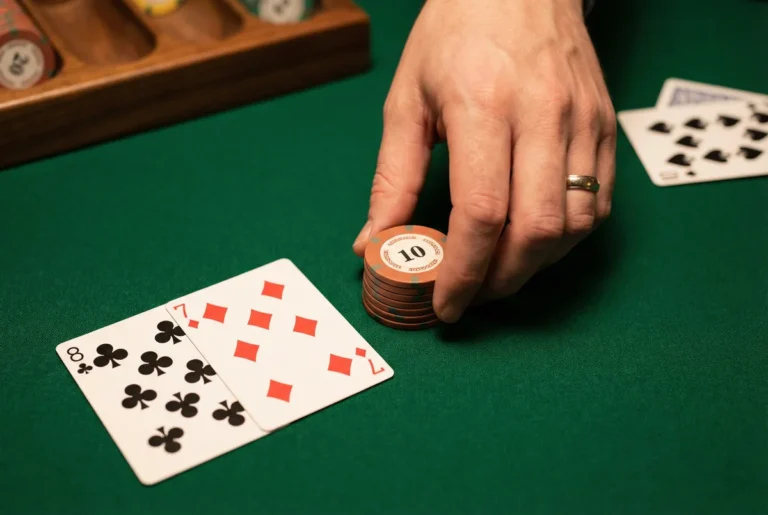
A blackjack calculator takes a table's rule set as input and returns the exact house edge you will face. Learn…
Finding the Best Table Limits for Your Bankroll
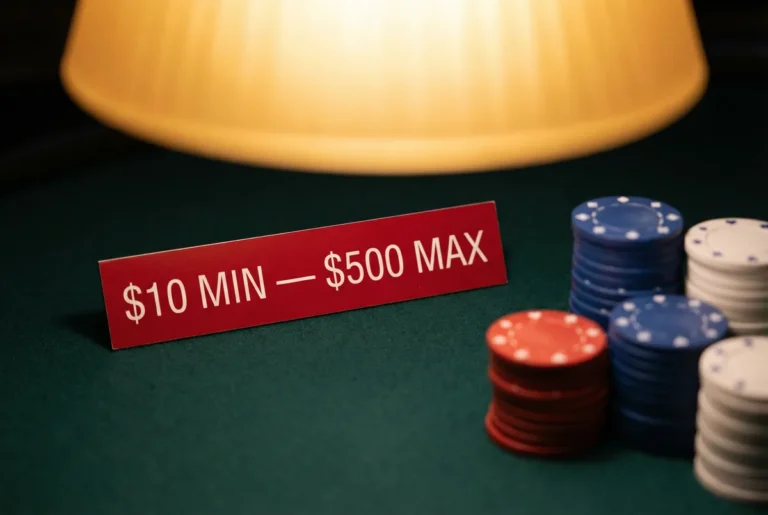
Sitting at the wrong table minimum is the most expensive mistake in blackjack. The correct table minimum for your bankroll…

Complete Blackjack Table Etiquette Guide Every Serious Player Must Know
Learn the unwritten rules of the blackjack table hand signals, chip buying, tipping, and everything else that separates a smooth…