
Why Dealers Follow the Rule of 17 Without Choosing Strategy
- The Dealer Rule of 17: Why Casino Blackjack Has No Dealer Decisions
- Why Dealers Required to Follow a Fixed Algorithm in Blackjack Matter?
- What Are Difference Between Hard 17 and Soft 17 for the Dealer?
- How Do You Know the Dealer Rule Changes How You Play?
- Reading the Table Placard Before Every Session
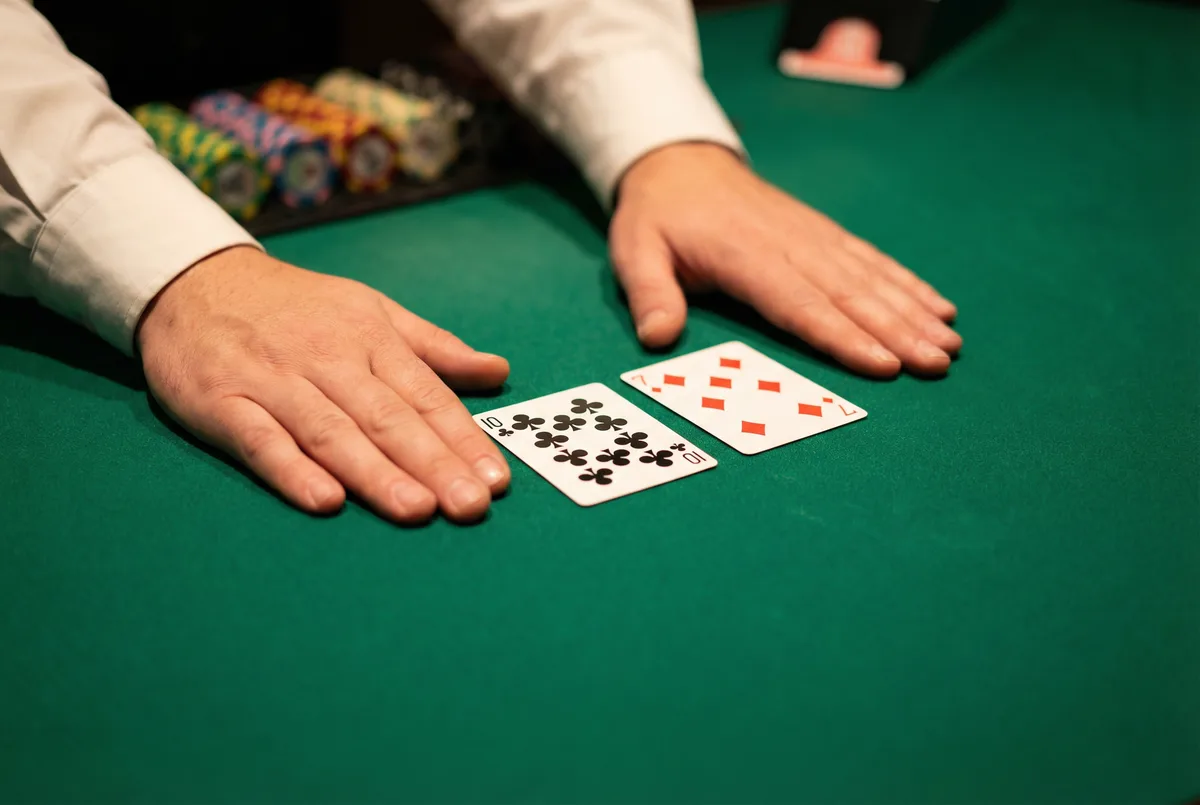
Sit at any licensed blackjack table in the world and one rule applies without exception on the dealer’s side of the felt: draw to 16, stand on all 17s. The dealer makes no decisions. There is no judgment, no feel for the table, no reaction to what players are holding.
The Dealer Rule of 17: Why Casino Blackjack Has No Dealer Decisions
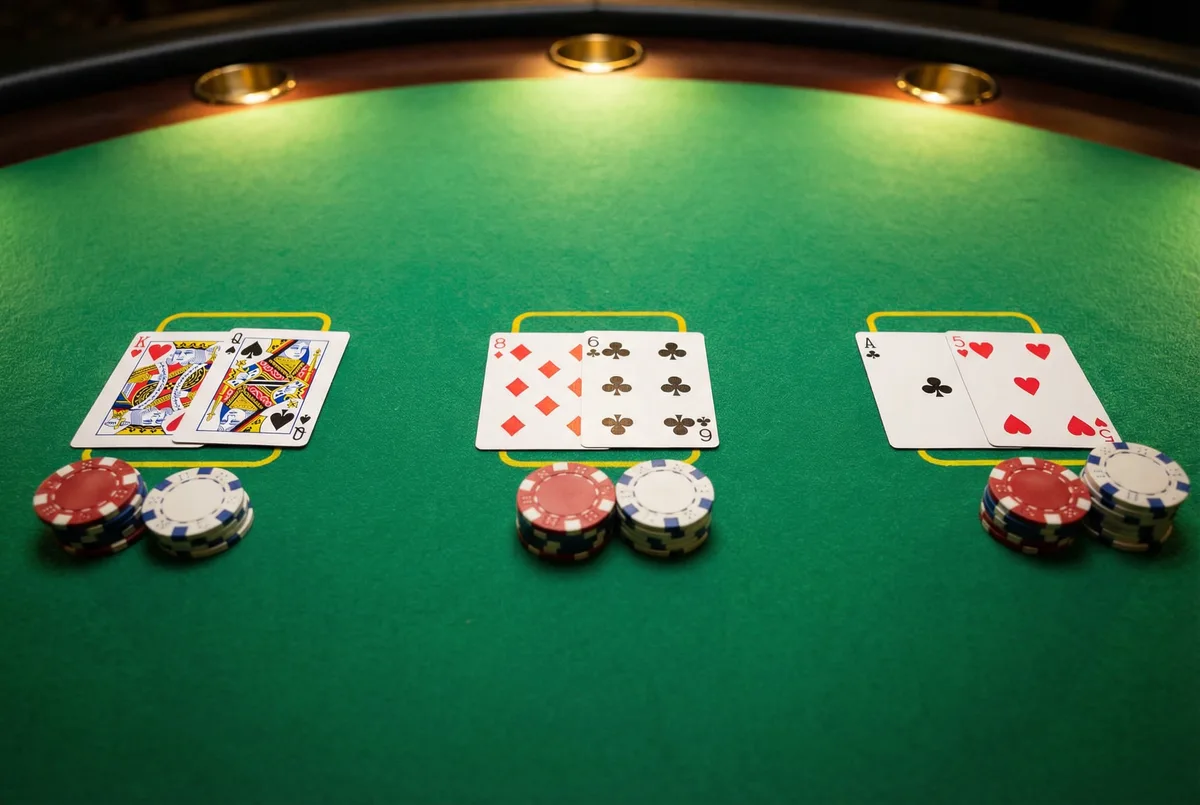
This fixed algorithm is the foundation the entire game is built on. The dealer rule of 17 is why blackjack basic strategy exists: the dealer’s behavior is perfectly predictable, and that predictability is what makes optimal player decisions calculable to a fraction of a percent.
- Dealer must drawon any total of 16 or less
- Dealer must standon any hard total of 17 or higher
- Soft 17 (A,6)dealer must hit (H17 rule) or stand (S17 rule) depending on table
- Hard 17 through 21dealer always stands
- Dealer bustson any total exceeding 21
- No exceptionsthe rule applies regardless of what players hold
Why Dealers Required to Follow a Fixed Algorithm in Blackjack Matter?
Dealers follow a fixed algorithm because blackjack is a regulated casino game where the blackjack house edge must be mathematically consistent. If dealers could use judgment about whether to hit or stand, the blackjack house edge would become variable and unpredictable. Gaming regulators require fixed dealer rules to ensure the game is fair and auditable.
The rule also protects players. A dealer with discretion could theoretically adjust play to maximize casino profits on specific hands. Removing that discretion makes the game identical for every player at every table. The dealer’s algorithm is printed on the table placard so every player can verify it before sitting down.
This predictability is what makes blackjack basic strategy possible. If the dealer’s behavior were unknown or variable, calculating the optimal player response for each hand would be impossible. The rule of 17 converts dealer behavior into a known quantity, allowing every correct player decision to be derived mathematically.
What Are Difference Between Hard 17 and Soft 17 for the Dealer?
A hard 17 contains no ace counted as 11. The dealer holds a fixed total and cannot bust on a draw without going over 21. All casinos require dealers to stand on hard 17. This is the universal component of the rule.
A soft 17 contains an ace counted as 11, typically ace plus 6. The total is 17, but the ace can revert to 1 if the dealer draws a high card, preventing a bust. Some casinos require dealers to stand on soft 17 (S17 rule). Others require hitting (H17 rule).
This single rule difference changes the blackjack house edge by approximately 0.20%.
The H17 rule (dealer hits soft 17) is worse for players. When the dealer hits soft 17, the casino gains roughly 0.20% in blackjack house edge compared to an S17 table with otherwise identical rules. The table placard lists which rule applies. Always choose an S17 table when the option exists.
Dealer Hits Soft 17 (H17)
Dealer Stands on Soft 17 (S17)
- ~0.67%
- More options from soft 17
- Worse for player
- Many strip casinos
- Avoid if possible
- ~0.47%
- Fixed on all 17s
- -0.20% better for player
- Better rules venues
- Prefer whenever available
How Do You Know the Dealer Rule Changes How You Play?
Knowing the dealer rule of 17 allows you to calculate the dealer’s bust probability for every upcard. A dealer showing 6 is most likely to hold a 16 (if the hole card is 10-value), which forces a mandatory hit into a high bust zone. This is why blackjack basic strategy stands on stiff player totals against dealer 2 through 6.
A dealer showing 7 is most likely holding 17 (if hole card is 10-value), which means the dealer stands with a made hand. Your strategy shifts from passive (waiting for the dealer to bust) to active (you need to reach at least 18 to win). This is why blackjack basic strategy hits more aggressively against dealer 7 through ace.
The dealer rule makes every upcard either a bust card (2 through 6) or a made-hand card (7 through ace). This two-category framework is the foundation of all blackjack basic strategy. Learning it transforms the blackjack strategy chart from a set of memorized rules into a logical system.
Dealer Shows
Your Hand
You hold hard 12 against the dealer's 6. The dealer is required to stand on all 17s. What is the correct play?
The dealer showing 6 likely holds 16. Required to hit, the dealer faces a bust probability above 40%. Your hard 12 risks busting if you hit. Standing lets the dealer's required algorithm work against them.
Reading the Table Placard Before Every Session
Before sitting at any blackjack table, read the placard. It states whether the dealer hits or stands on soft 17. This one line determines the blackjack house edge more than almost any other rule on the card. Always confirm it before your first bet.
When the placard reads “Dealer Stands on All 17s,” you are at an S17 table and the blackjack house edge is approximately 0.20% lower. When it reads “Dealer Hits Soft 17,” factor in the extra cost. If both options are available on the floor, choose the S17 table at the same minimum bet every time.
Understanding what drives the dealer’s every action removes uncertainty from the table environment. Every time the dealer draws to a total below 17, you know exactly why. Every time they stop, you know why that is too. There are no surprises from the dealer’s side of the game.
See the rule in action at a real table. Open a live dealer game and spend 10 hands doing one thing: tracking every dealer draw and confirming it follows the rule of 17. Real money is at stake from the first bet, so fix your session budget before you click deal.
Frequently Asked Questions
All standard casino blackjack games require the dealer to draw to 16. The only variation is whether the dealer hits or stands on soft 17. Most 6-deck and 8-deck games specify one or the other on the table placard. The H17 and S17 distinction is the most important single variable to check when selecting a table.
No. Dealers have no discretion about hitting or standing. They must follow the fixed rule printed on the table placard. A dealer standing on 15 would be violating house procedure and gaming regulations. If this occurs, it must be reported to the pit boss immediately.
Yes. Licensed online blackjack games are required to specify and follow a fixed dealer rule. The game rules screen before each session will state whether the dealer hits or stands on soft 17. The same H17 vs S17 distinction applies and affects the house edge equally in online and live play.
Before you test these plays at a real table, run them through our free blackjack simulator practice unlimited hands at zero cost until every move becomes automatic.
Read the Placard. Know the Rule. Pick the Right Table.
The S17 vs H17 distinction adds 0.20% to or subtracts it from your house edge before a single hand is dealt.
Blackjack Academy is an educational resource. All house edge figures are based on standard mathematical models for casino blackjack. Always set a session budget before you play.

Written by
Mark AnurakProfessional card counter since 2009 · 500,000+ hands logged · Former Macau advantage player. Studied under Thorp, Griffin & Wong methodology. Full bio →
Learn More
Continue your education with these related lessons.
What the Dealer Must Do and How the House Manages the Game
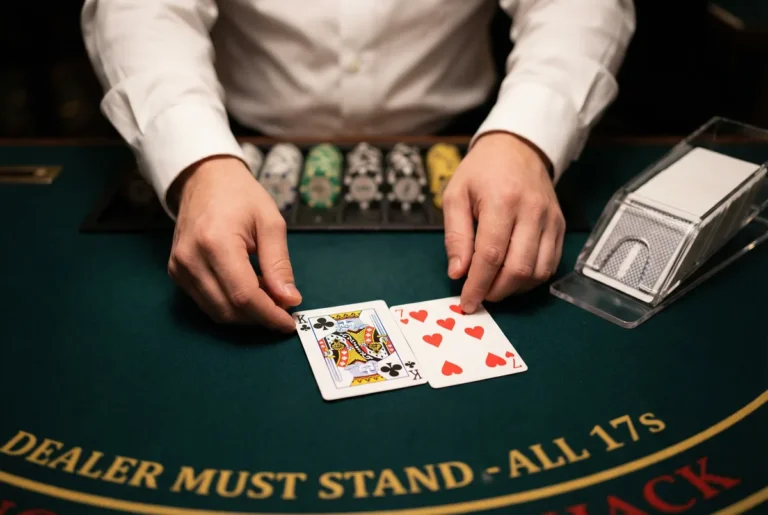
The dealer has zero decision-making authority at a blackjack table. Every action is predetermined by fixed house rules. Understanding exactly…
Key Differences Between British Pontoon and American Blackjack
British Pontoon and American blackjack share a common ancestor but diverged into distinct games with different rules, terminology, and strategy.…
When to Use the Surrender Rule to Save Half Your Bet
Late surrender on hard 16 vs dealer 9, 10, or ace and hard 15 vs dealer 10 is the most…